
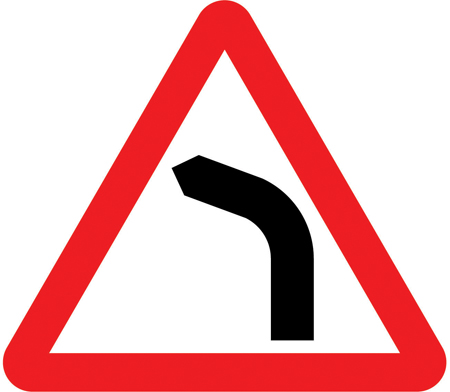
Triangles warn
Red border, white centre, point upwards. A bend, a junction, children, animals. The triangle does not set a new speed. If a limit applies, it is a separate circle.
Theory test sign map
UK road signs are a system. Circles give orders, triangles warn, and rectangles inform. If you can read the shape, a plate you have not revised this week is still answerable. This page lists every sign guide on the site, with the picture, then explains the pairs that cost marks.
Start with shape and colour. A red circle usually limits or bans. A blue circle tells you what you must do. An octagon means stop. An inverted triangle means give way. A red triangle only warns.
Red border, white centre, point upwards. A bend, a junction, children, animals. The triangle does not set a new speed. If a limit applies, it is a separate circle.
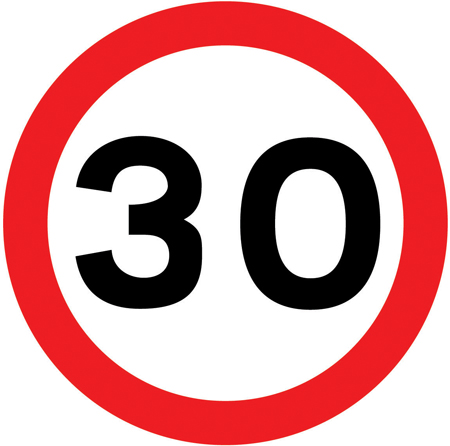
A number in a red circle is a maximum speed. A red bar means something is banned. A blue circle is a positive order, such as keep left or a minimum speed. An empty red circle means no vehicles.
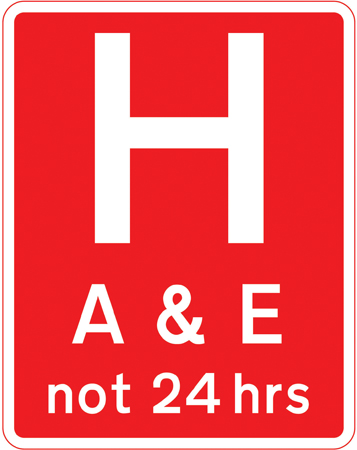
Blue boards on motorways, green boards on primary routes, white boards for many local directions. A rectangle does not cancel a circle beside it. Read both.
Two shapes sit outside that trio because they have to be readable from the back and in bad light. The octagon is stop. The inverted triangle is give way. Practise them on the road signs mock test, then the warning signs and regulatory signs hubs.
Filter by family or search the name. Every link is in the page, so the list still works if scripts are blocked. 114 signs.
114 signs
Bend left Warning
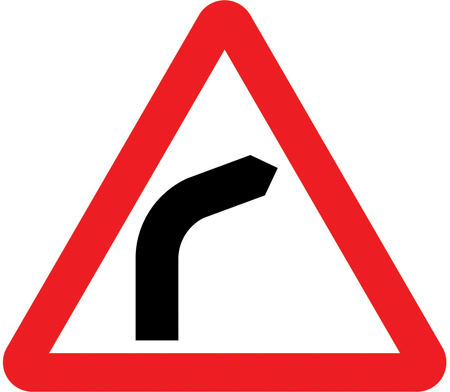 Bend right
Warning
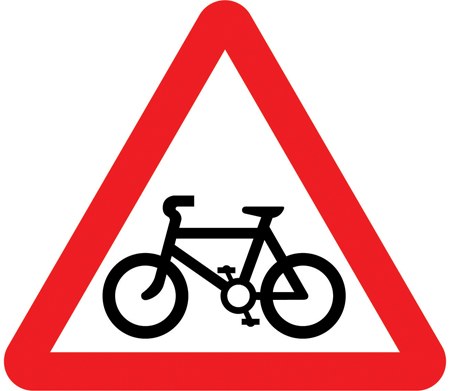 Bicycle crossing
Warning
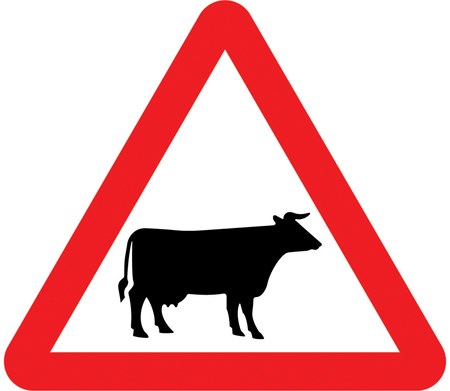 Cattle
Warning
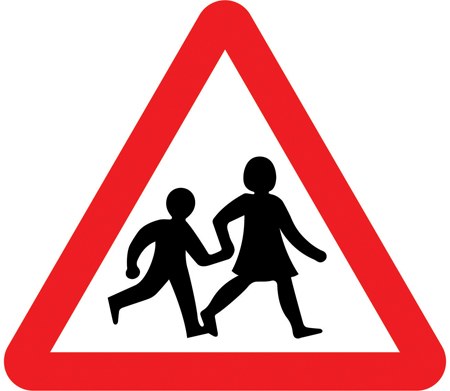 Children going to or from school
Warning
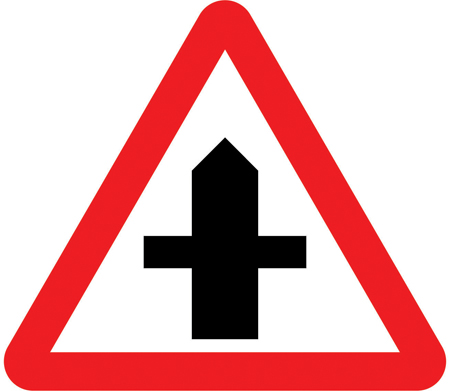 Crossroads
Warning
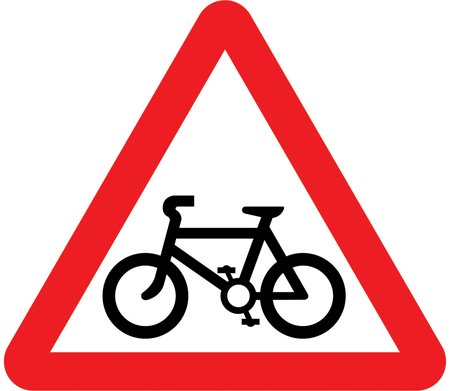 Cycle route ahead
Warning
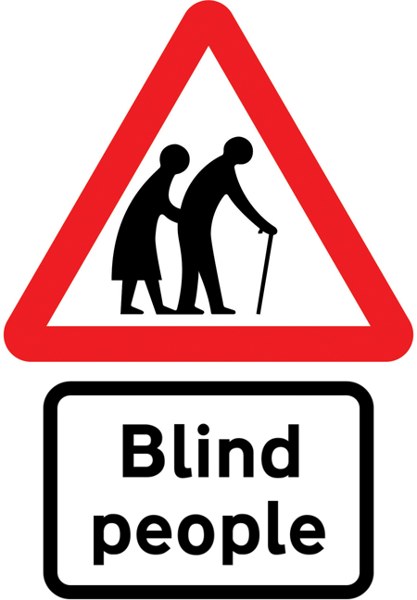 Deafblind pedestrians
Warning
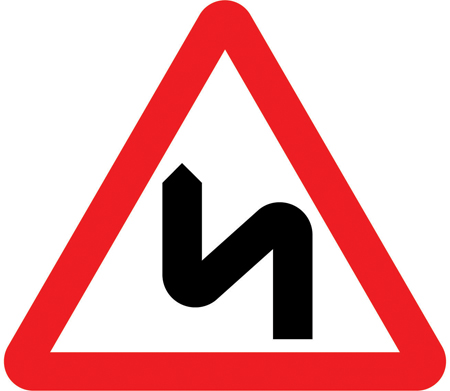 Double bend
Warning
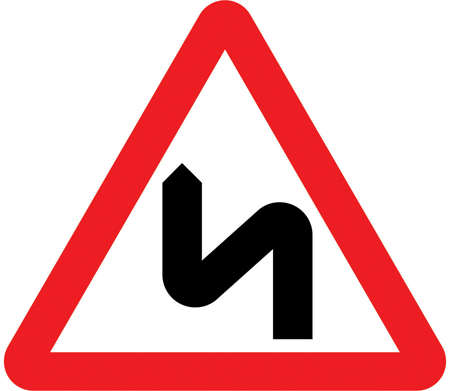 Double bend left
Warning
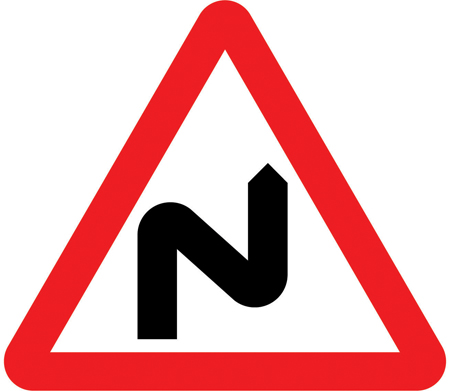 Double bend right
Warning
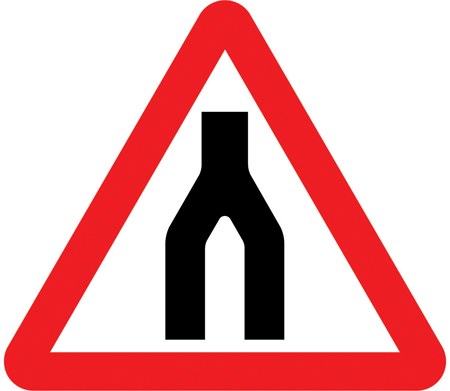 Dual carriageway ends
Warning
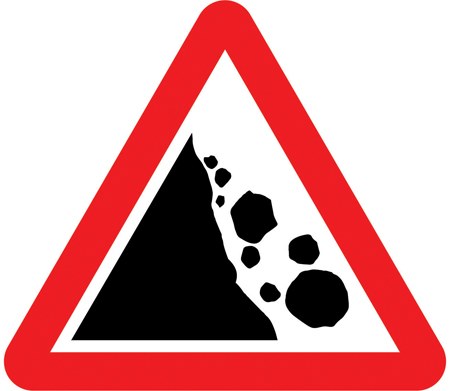 Falling or fallen rocks
Warning
 Flood
Warning
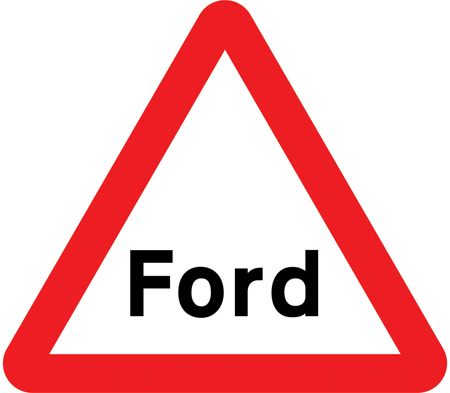 Ford
Warning
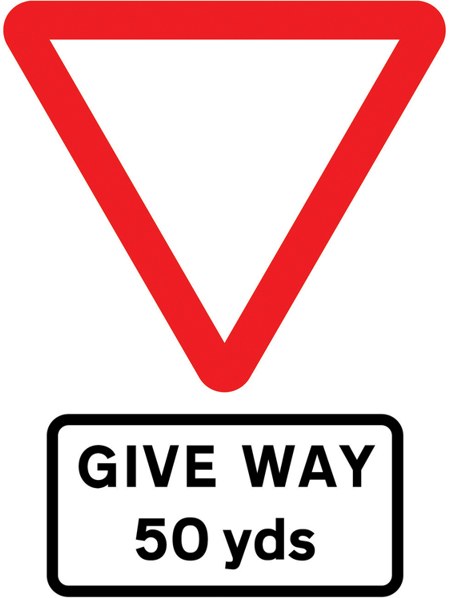 Give way ahead
Warning
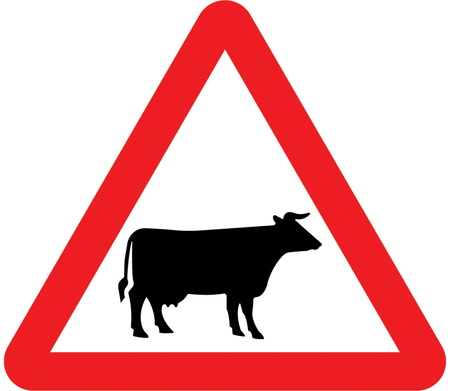 Horse riders
Warning
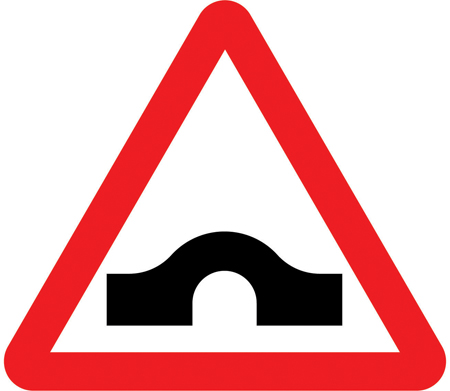 Hump bridge
Warning
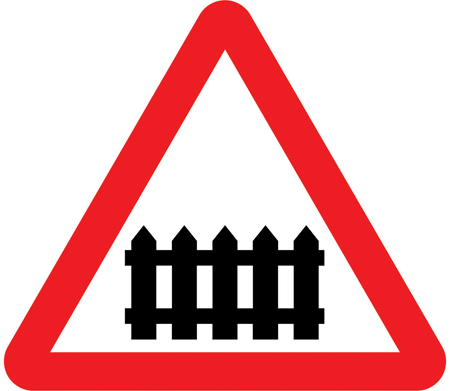 Level crossing with barrier
Warning
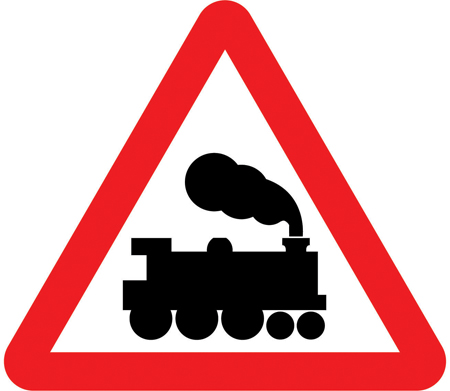 Level crossing without barrier
Warning
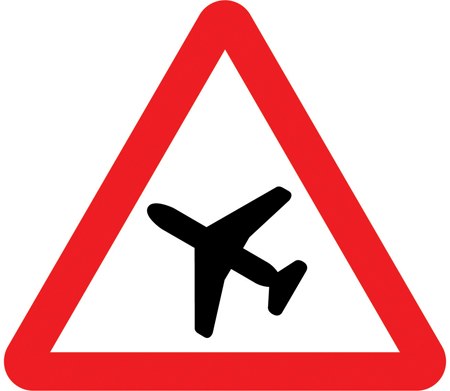 Low flying aircraft
Warning
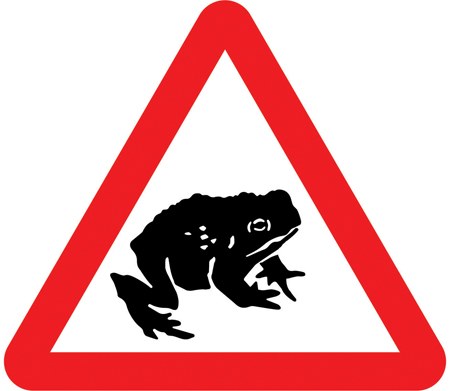 Migratory toad crossing
Warning
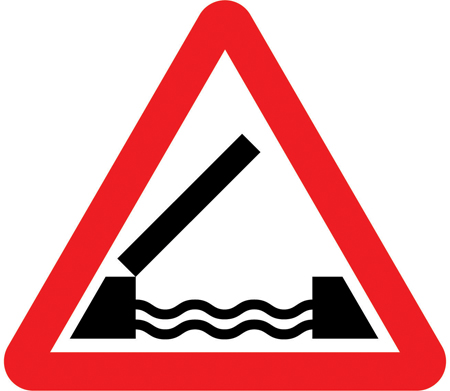 Opening bridge
Warning
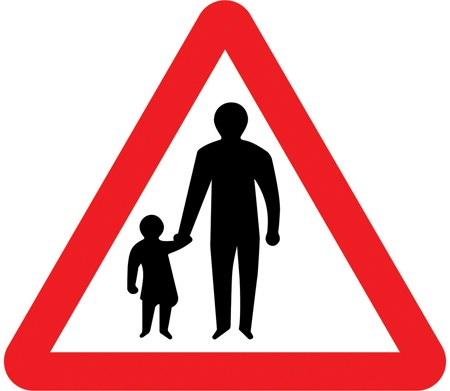 Pedestrians in road
Warning
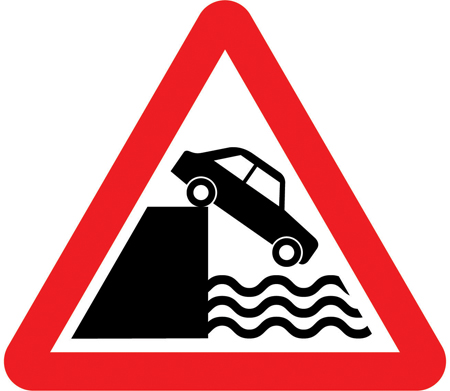 Quayside or river bank
Warning
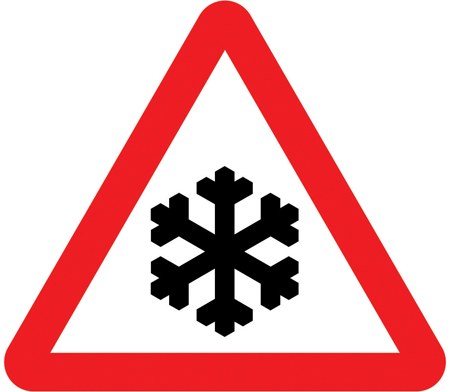 Risk of ice
Warning
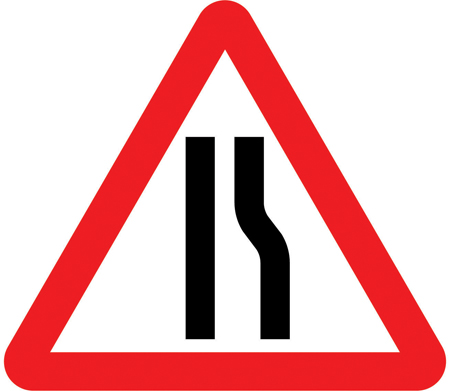 Road narrows both sides
Warning
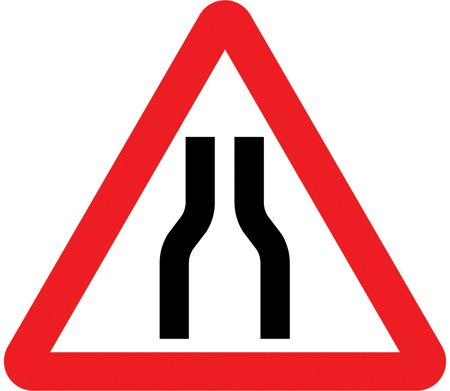 Road narrows left
Warning
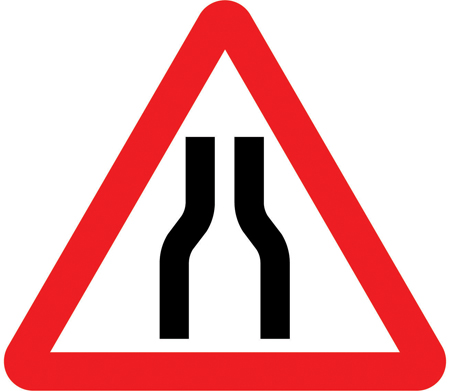 Road narrows on the right
Warning
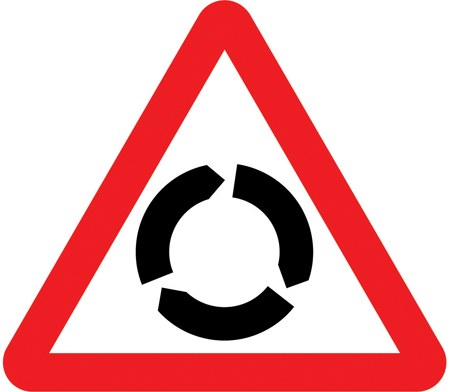 Roundabout ahead
Warning
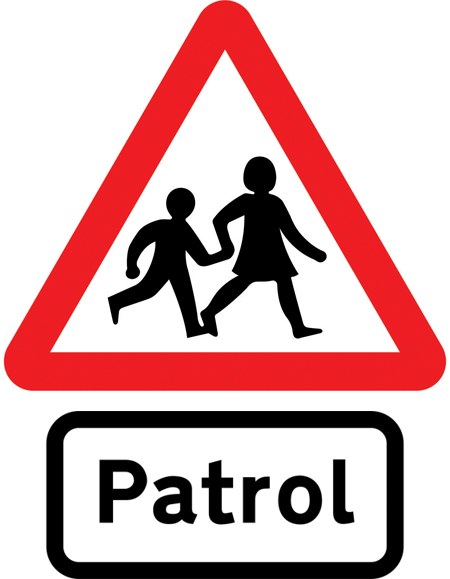 School crossing patrol
Warning
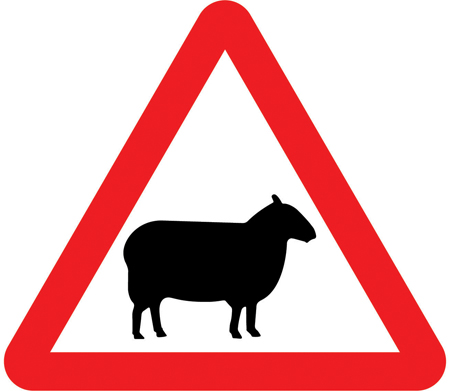 Sheep
Warning
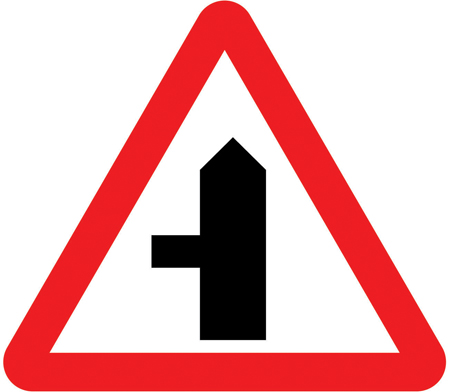 Side road left
Warning
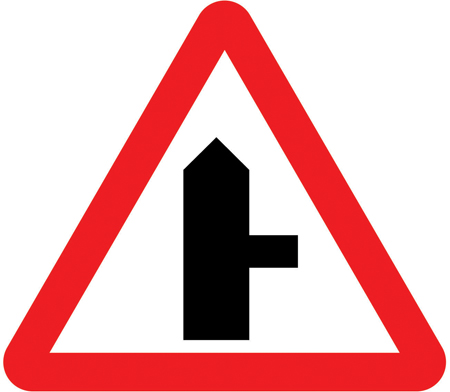 Side road right
Warning
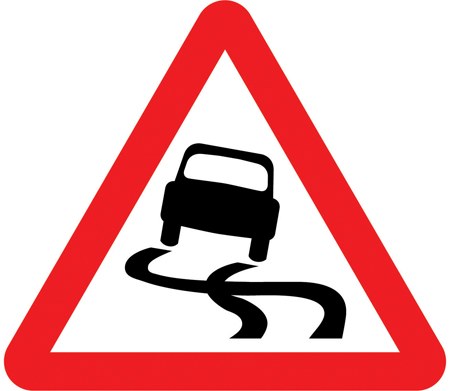 Slippery road
Warning
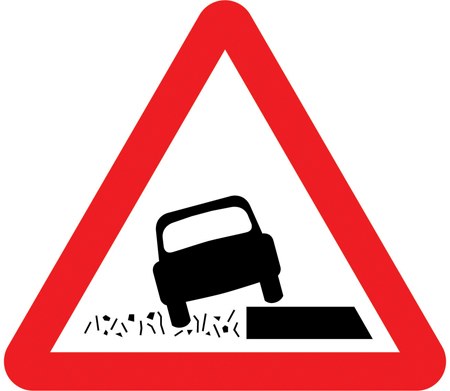 Soft verges
Warning
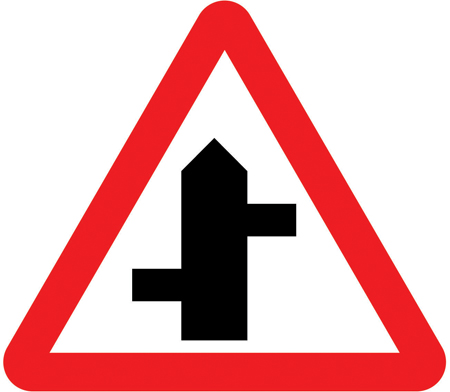 Staggered junction
Warning
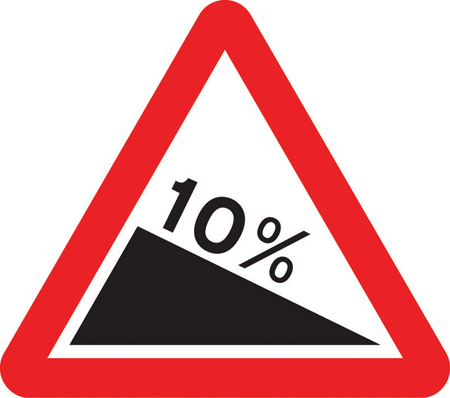 Steep hill downwards
Warning
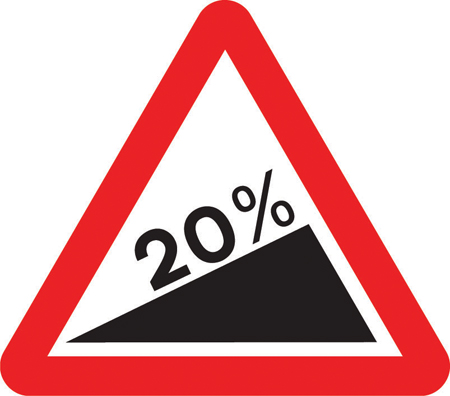 Steep hill upwards
Warning
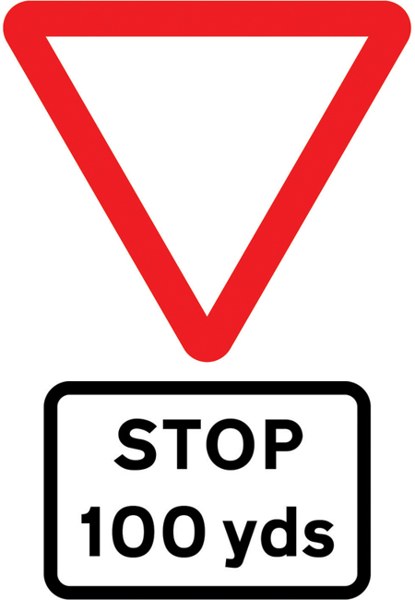 Stop ahead
Warning
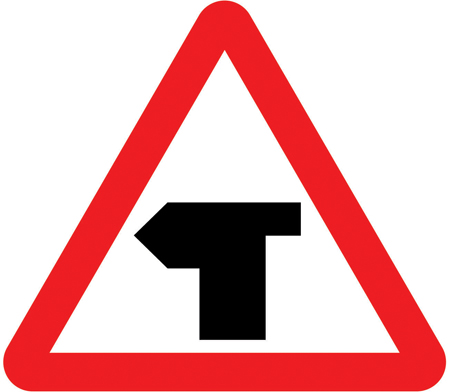 T-junction
Warning
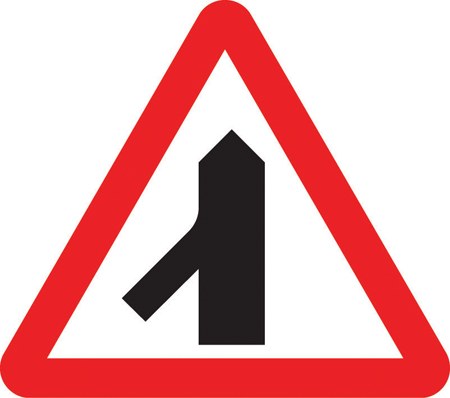 Traffic merges
Warning
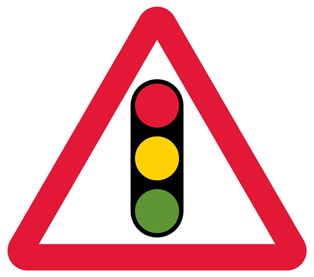 Traffic signals ahead
Warning
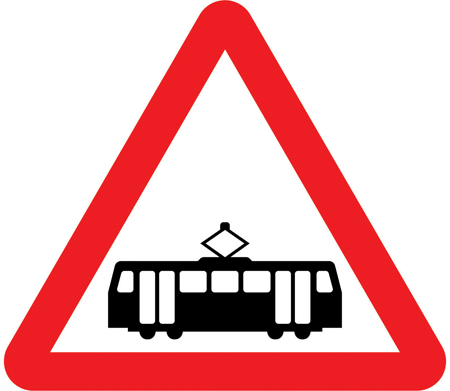 Tramway ahead
Warning
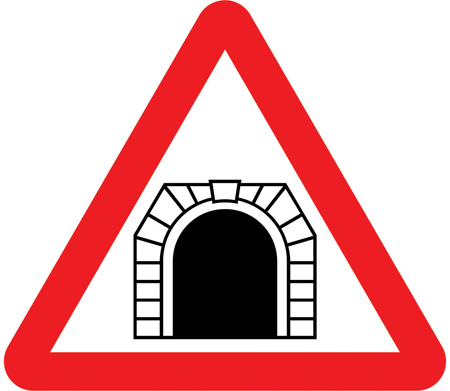 Tunnel ahead
Warning
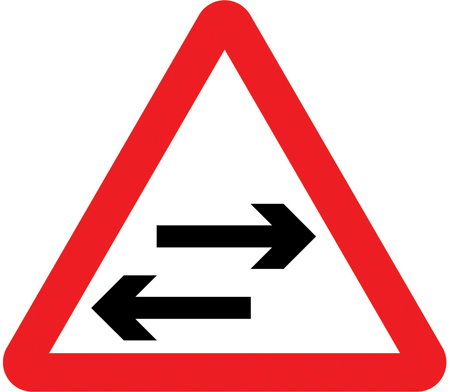 Two-way traffic
Warning
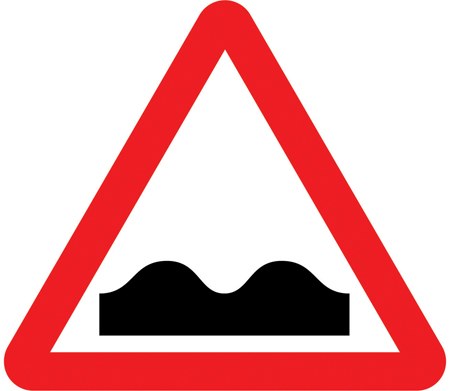 Uneven road
Warning
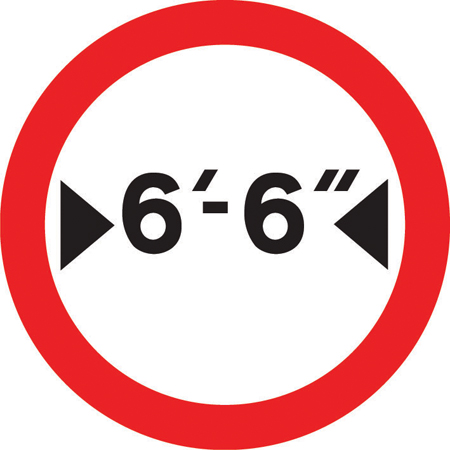 Width restriction
Warning
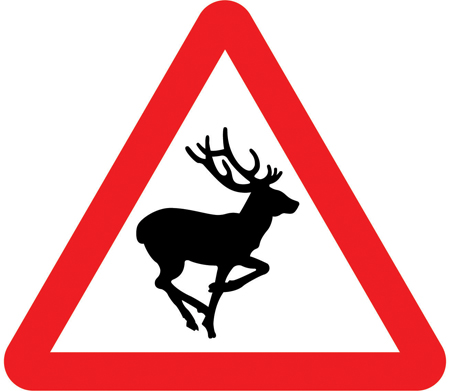 Wild animals
Warning
30 mph limit Regulatory and orders
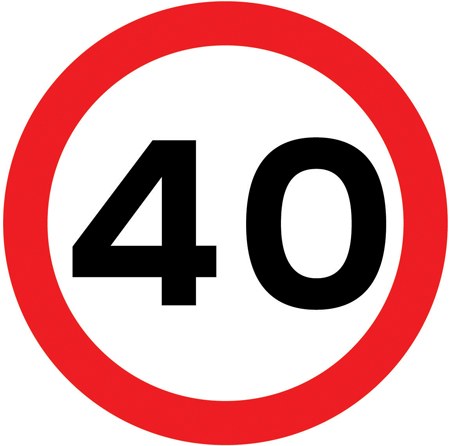 40 mph limit
Regulatory and orders
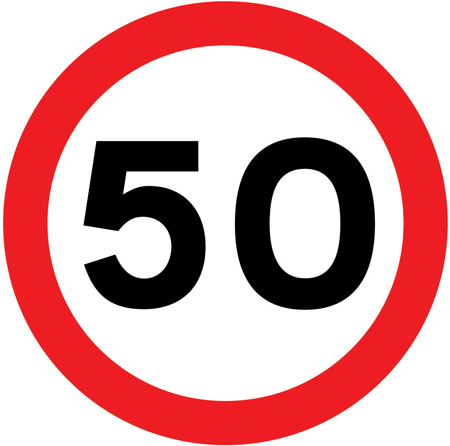 50 mph limit
Regulatory and orders
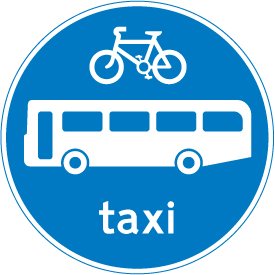 Bus only
Regulatory and orders
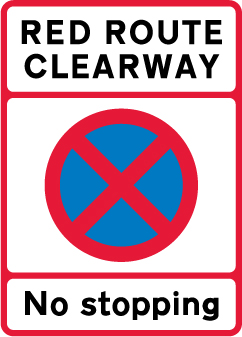 Clearway
Regulatory and orders
Clearway plate Regulatory and orders
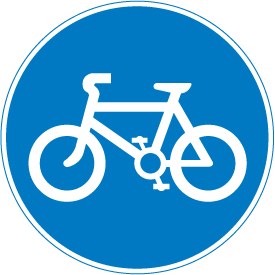 Cycle only
Regulatory and orders
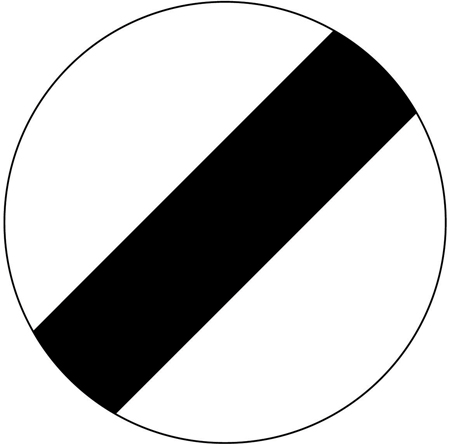 End of thirty limit
Regulatory and orders
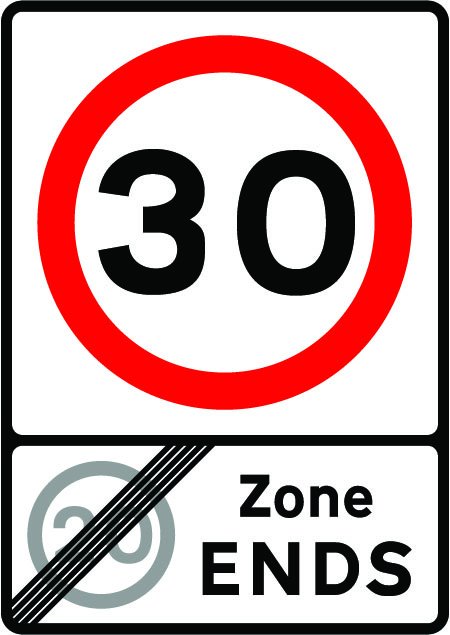 End of twenty
Regulatory and orders
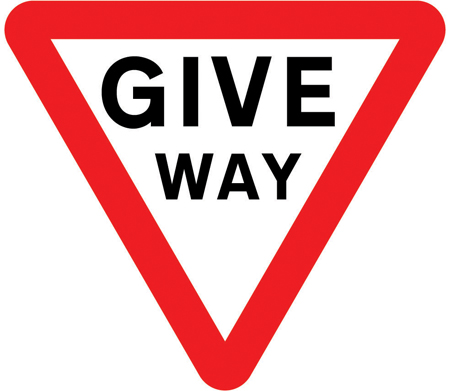 Give way
Regulatory and orders
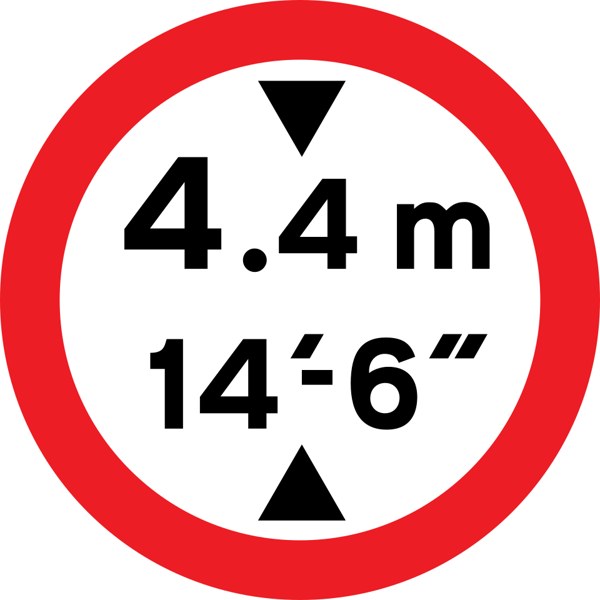 Height limit
Regulatory and orders
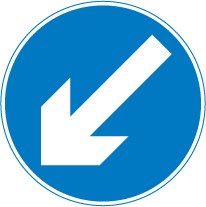 Keep left
Regulatory and orders
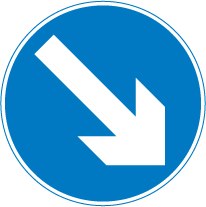 Keep right
Regulatory and orders
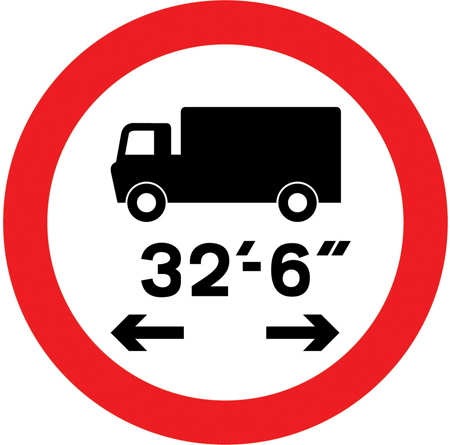 Length restriction
Regulatory and orders
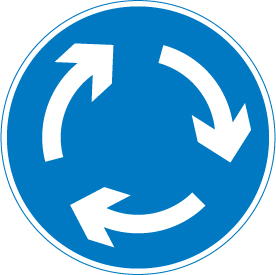 Mini roundabout
Regulatory and orders
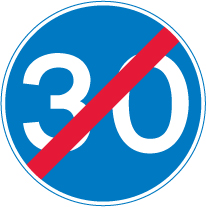 Minimum speed
Regulatory and orders
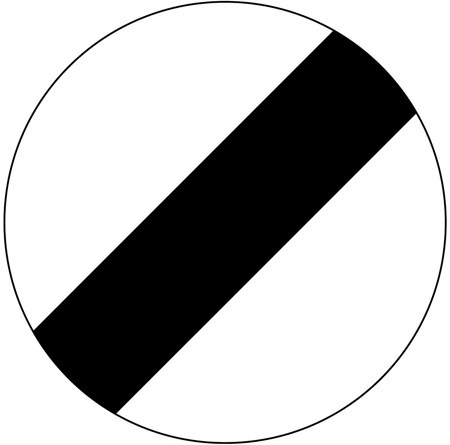 National limit
Regulatory and orders
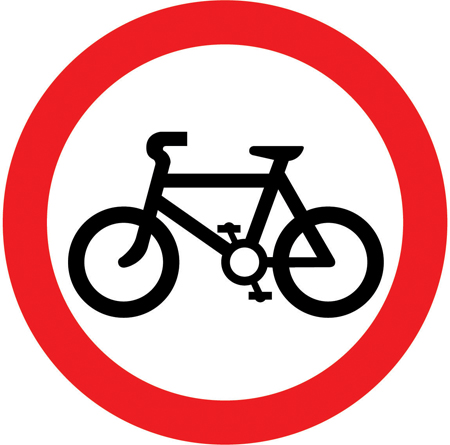 No cycling
Regulatory and orders
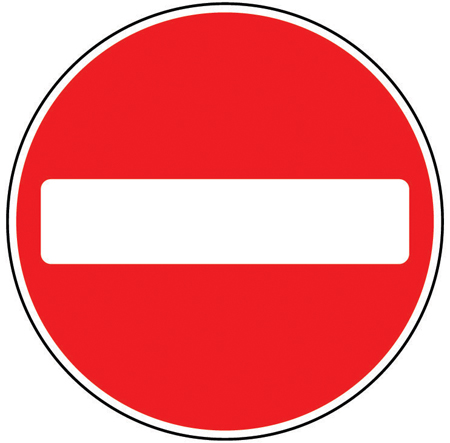 No entry
Regulatory and orders
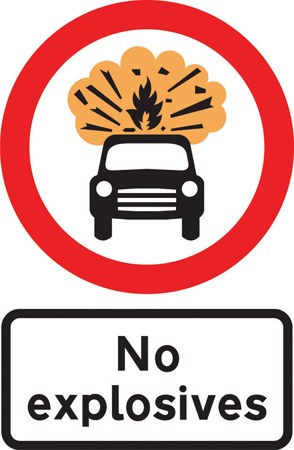 No explosives
Regulatory and orders
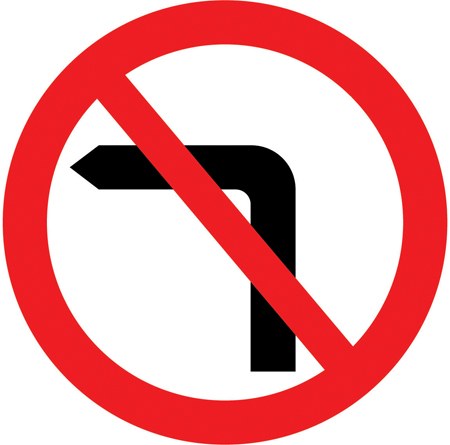 No left turn
Regulatory and orders
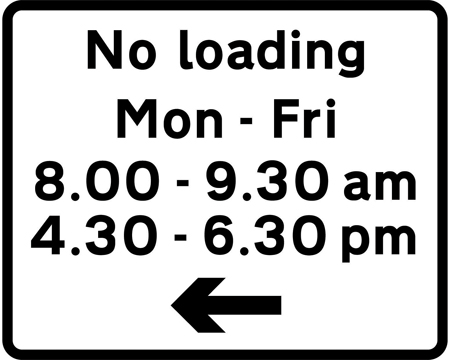 No loading
Regulatory and orders
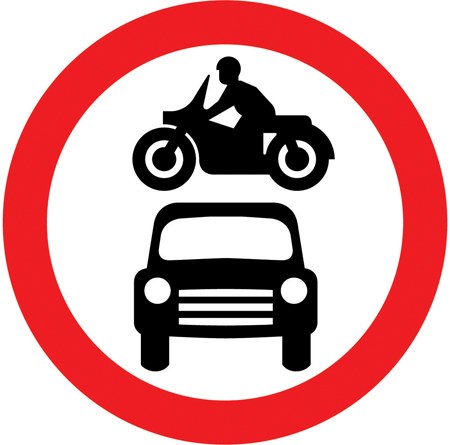 No motor vehicles
Regulatory and orders
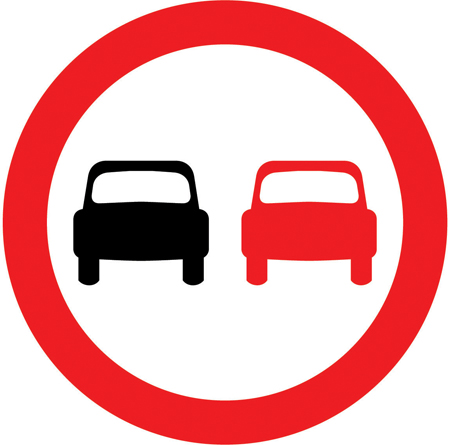 No overtaking
Regulatory and orders
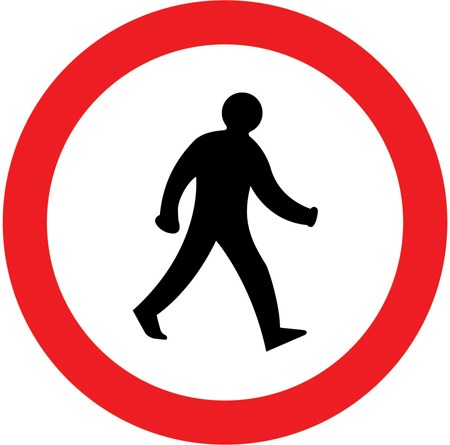 No pedestrians
Regulatory and orders
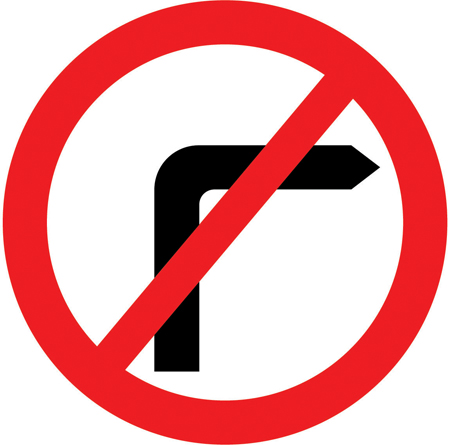 No right turn
Regulatory and orders
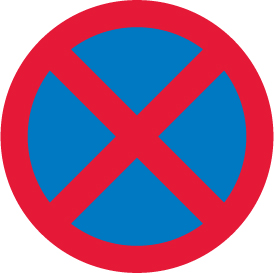 No stopping
Regulatory and orders
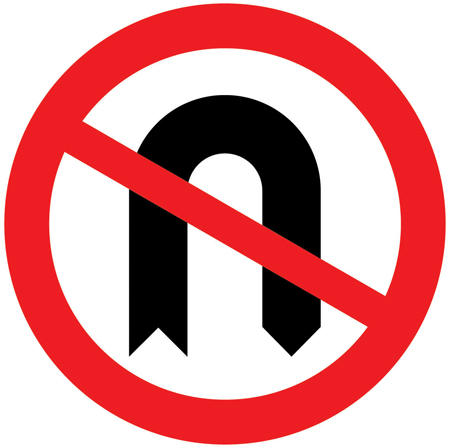 No U-turn
Regulatory and orders
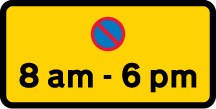 No waiting
Regulatory and orders
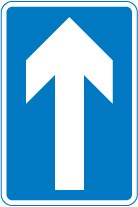 One-way traffic
Regulatory and orders
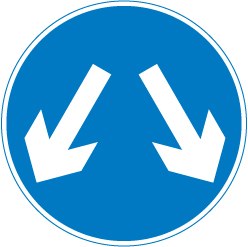 Pass either side
Regulatory and orders
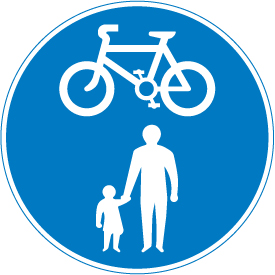 Pedestrian only route
Regulatory and orders
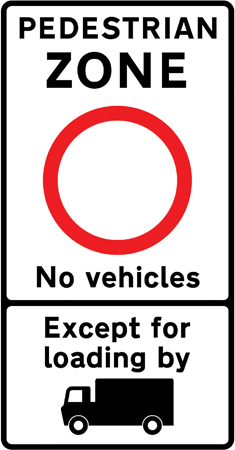 Pedestrian zone
Regulatory and orders
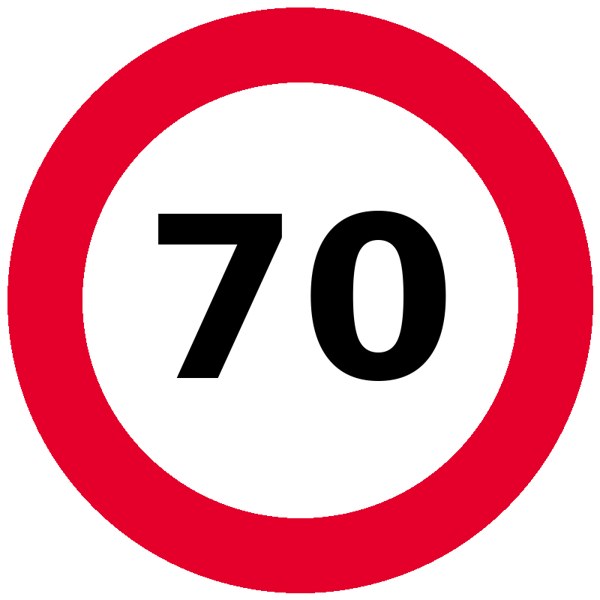 Seventy limit
Regulatory and orders
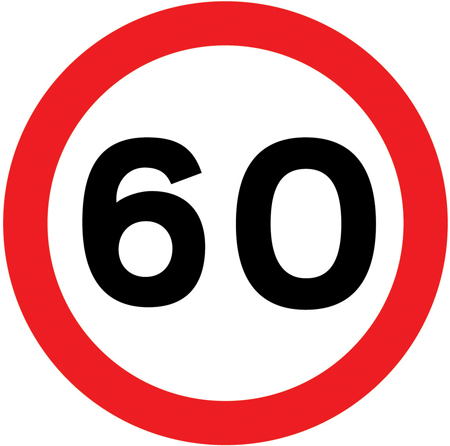 Sixty limit
Regulatory and orders
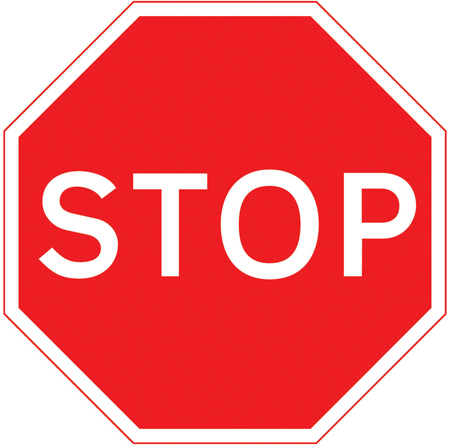 Stop
Regulatory and orders
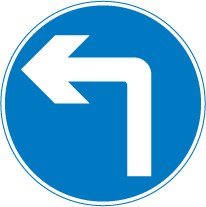 Turn left ahead
Regulatory and orders
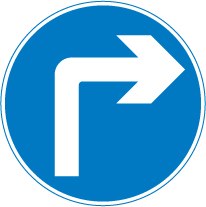 Turn right ahead
Regulatory and orders
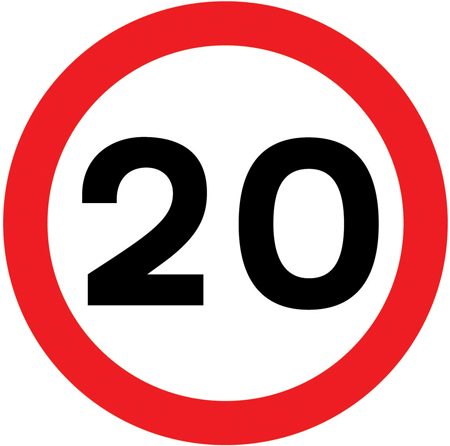 Twenty limit
Regulatory and orders
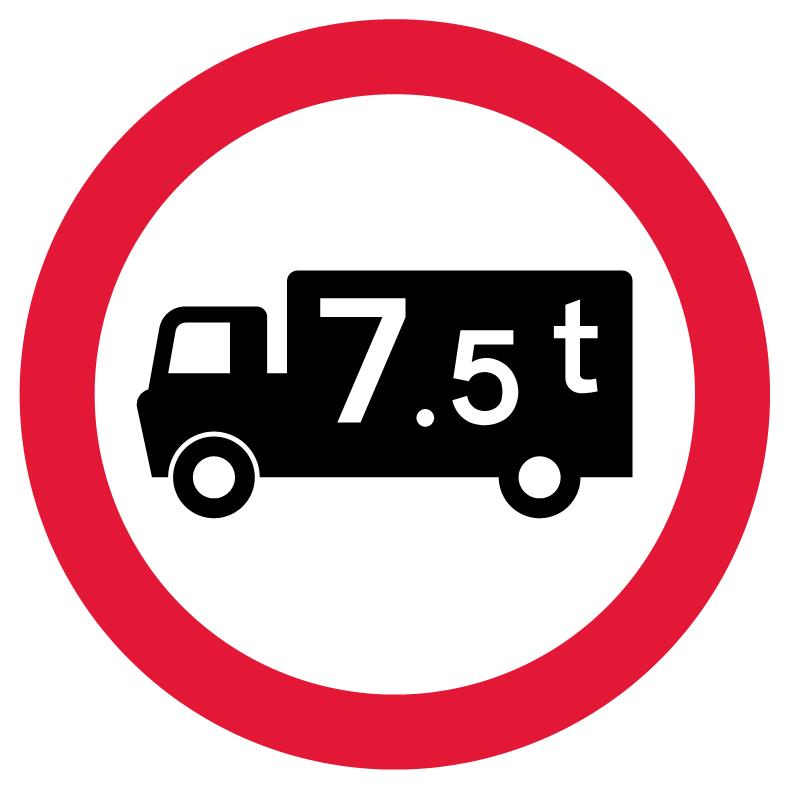 Weight limit
Regulatory and orders
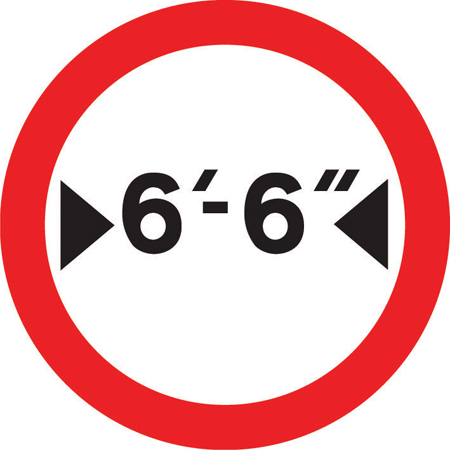 Width limit
Regulatory and orders
 Airport direction
Information
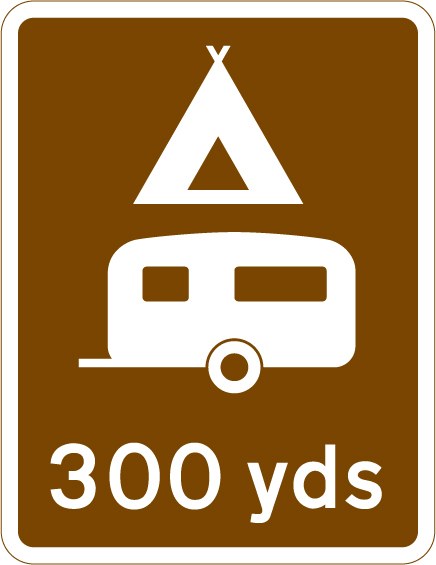 Camping site
Information
 Congestion charging zone
Information
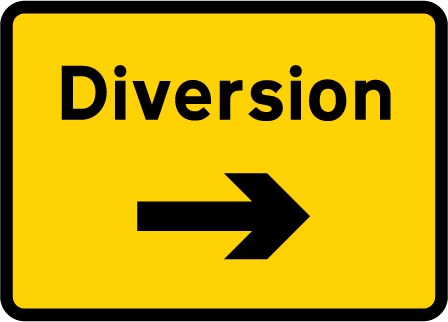 Diversion route
Information
Hospital direction Information
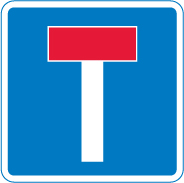 No through road
Information
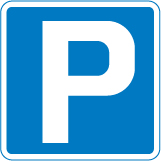 Parking place
Information
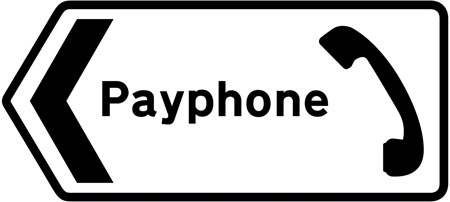 Public telephone
Information
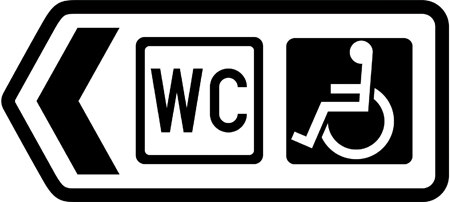 Public toilet
Information
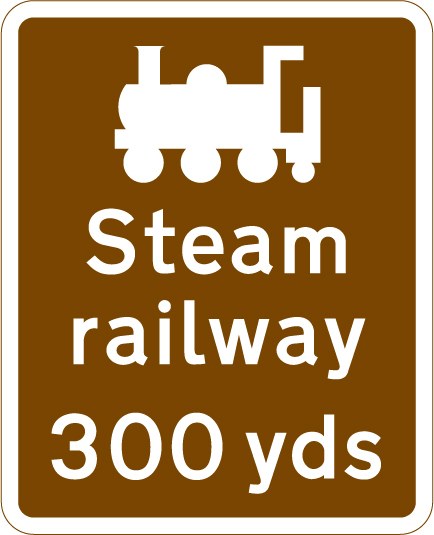 Railway station
Information
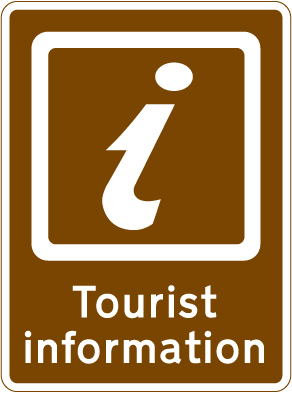 Tourist information
Information
 Bus station
Direction
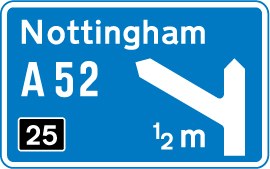 Bypass
Direction
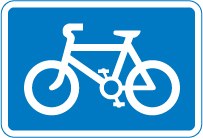 Cycle route
Direction
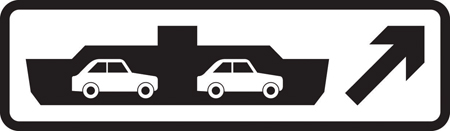 Ferry direction
Direction
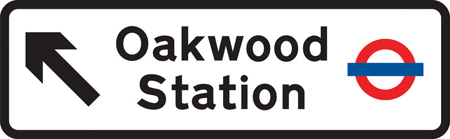 London Underground
Direction
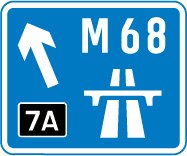 Motorway direction
Direction
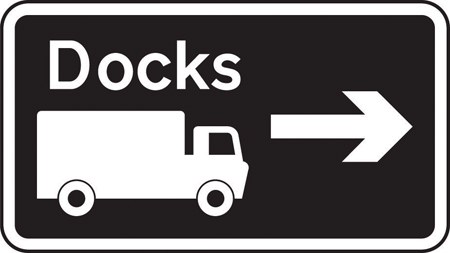 Non-primary direction
Direction
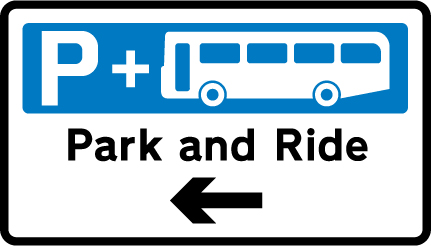 Park and ride
Direction
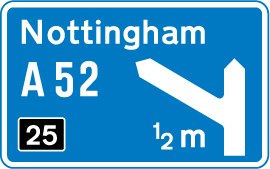 Primary route direction
Direction
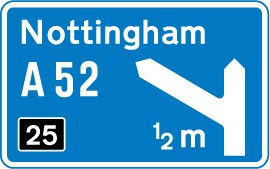 Ring road
Direction
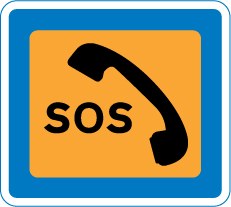 Emergency telephone
Motorway
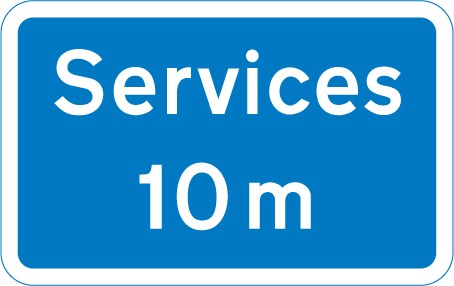 Motorway services
Motorway
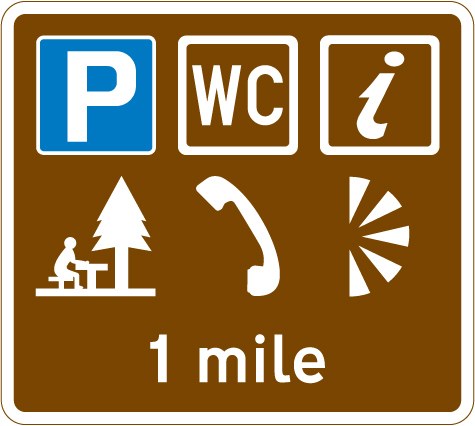 Rest area
Motorway
No signs match that search. Clear the box to see every sign.
Sign images are Crown copyright, from GOV.UK traffic sign images, used under the Open Government Licence.
At a stop sign you halt at the line even when the major road looks empty. At a give way sign you give priority and you only stop if you have to. A warning triangle that says stop or give way is ahead is not the order. The order is the sign at the line. The stop ahead and give way ahead plates are the warning. The octagon and the inverted triangle are the instruction.
Count the bars. No stopping is a blue disc in a red ring with two red bars. You do not stop on that length while the order runs, including to pick someone up. No waiting has a single red bar. It restricts parking and lingering. A brief pick-up can be lawful, and it is never permission to sit with the engine off. A clearway uses a red cross on blue. Treat it as a no-stopping length unless a white plate limits the hours. An urban clearway is the timed version on a built-up road: during the hours on the plate you do not stop on the carriageway. Outside those hours, other waiting rules may still apply.
A red circle with 30 is a maximum of 30 mph. The national speed limit sign has no number. For a car it means 60 mph on a single carriageway and 70 mph on a dual carriageway or motorway. Street lights in a built-up area mean 30 mph unless a sign says otherwise. A 20 zone is signed. It is not the default. The end of a 20 or 30 limit is not the same plate as the national limit if a different number follows. Read the next circle, not the one you hoped to see.
A children triangle means expect children, often near a school, and be ready to stop. It is not itself a 20 mph order. A side-road triangle tells you traffic may emerge. It does not give that traffic priority. Priority comes from give way lines, signals, or the main-road rule. Open the warning signs list when the symbol is the part you forget.
Questions often ask what you should do, not what the plate is called. You might get a case study where a sign is one clue in a longer scene. A separate road signs mock test shows the holes. It does not prove you will pass. The car pass mark is 43 out of 50 across the whole paper, in 57 minutes, plus 44 out of 75 on hazard perception the same day.
Use this order. Recite the shapes until they are boring. Open two guides you usually confuse. Score the signs mock twice. Then sit a timed car mock and review only the sign items you missed. Distances and speed tables live on the theory test cheat sheet and the Highway Code practice test if you want them in the same sitting.
Traffic lights are a sequence, not a sign family on this grid. Red means stop. Amber means stop unless you have crossed the line or stopping would cause a collision. A green light still means the junction has to be clear. The write-up of the sequence is in traffic light sequence. Road markings such as yellow lines and zigzags are explained with the signs they belong to, and in yellow lines.
Official wording is on gov.uk traffic signs. When a blog and a sign guide overlap, the sign guide is the plate and the blog is the wider lesson. Road signs for the theory test is the study plan. This page is the map. If you only have ten minutes, revise the shape rules and the one sign you got wrong last time.
Learn the three families first: circles order, triangles warn, rectangles inform. Then revise the pairs people swap, such as stop and give way, and sit a signs mock before a full timed paper.
It warns of a hazard ahead. It does not set a speed limit and it does not ban a turn. If an order applies, there will be a separate circular sign.
Stop, the octagon, means a complete halt at the line every time. Give way, the inverted triangle, means give priority, and stop only if you need to.
The black circle with a white diagonal has no number. For a car it usually means 60 mph on a single carriageway and 70 mph on a dual carriageway or motorway, unless another sign says otherwise.
The images are Crown copyright traffic sign artwork used under the Open Government Licence. Meanings follow the Highway Code and Know Your Traffic Signs. This page is a revision map, not the DVSA question bank.
DVSA does not publish a fixed number. Signs are one topic inside the 50 car questions. You might see several, including inside a case study. The pass mark is still 43 out of 50 for the whole paper.