
Last updated: October 2026 · Checked against Highway Code
Ferry Sign: meaning, rules and what to do
The ferry direction panel shows a black silhouette of a car ferry with vehicles on deck and a bold arrow, telling you which turn or slip road leads toward a vehicle ferry terminal. It guides navigation to check-in lanes; it does not book your sailing, override port security queues, or replace quayside hazard triangles beside open water.
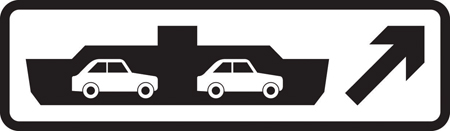
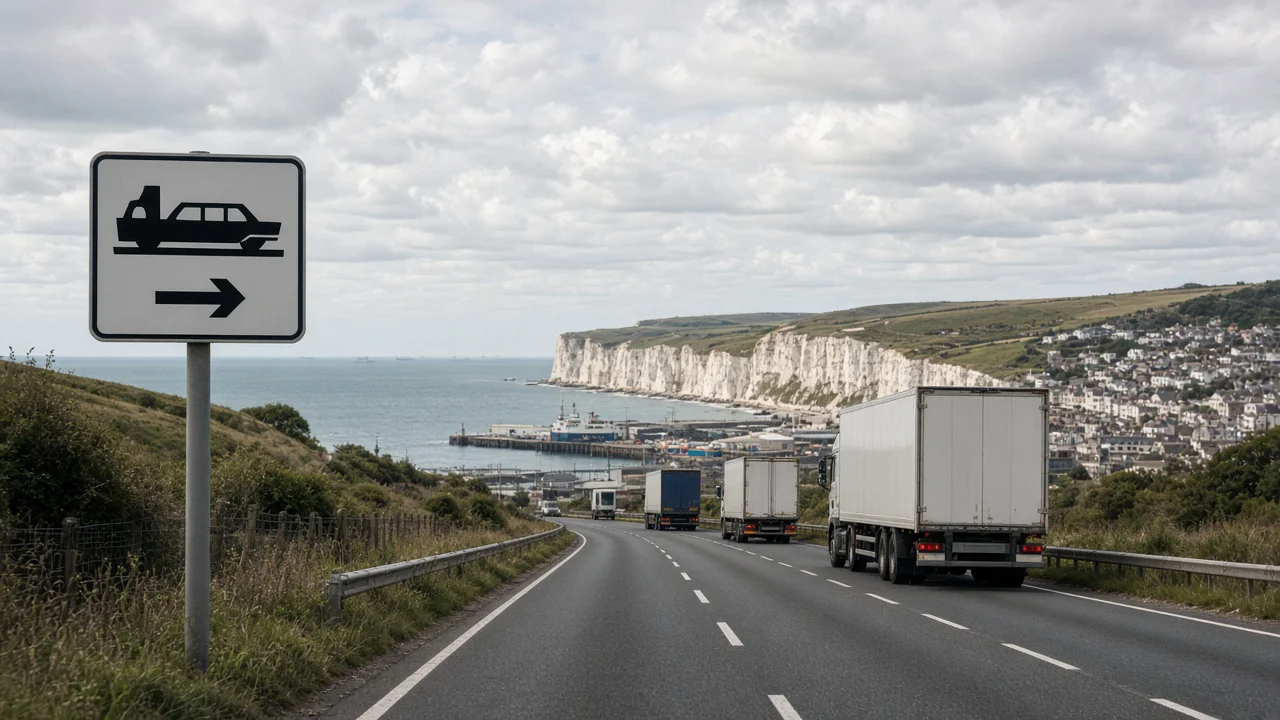
Sign image © Crown copyright, reproduced from GOV.UK traffic sign images under the Open Government Licence v3.0.
What the Ferry direction Sign Looks Like
GOV.UK catalogue diagram 2135 shows the standard layout: white rectangular field, thick black border, black side-profile ferry hull with two car silhouettes on deck, and a separate black arrow pointing toward the turn. On approach roads the pictogram may sit on a larger direction board with place names, operator branding space, or distances in yards or miles.
Unlike blue motorway service panels, the ferry symbol often appears on white non-primary direction signs at town margins and on brown tourist arms near harbours. Repeaters follow side junctions where late joiners might otherwise miss the first chevron toward the hoverport or cruise terminal.
Supplementary plates may quote height limits for upper decks, HGV lanes, or foot-passenger only arrows on separate fingers. Those white rectangles refine the message; they do not turn the ferry pictogram into a mandatory speed roundel. Read every arm before you filter across solid white lines.
Learners confuse the car-ferry symbol with quayside warning triangles that show a car beside open water, with opening-bridge artwork, or with plain harbour brown boards that list a pier name without the official hull pictogram. Others assume any coast road leads to a ferry because the sea is visible.
Temporary yellow diversion boards during roadworks may reuse the ferry silhouette beside a black-on-yellow arrow. Treat them as binding for the signed diversion dates even when your phone map still shows the old one-way system through the dock gate.
Quayside warnings are red triangles about unprotected drops beside water, not terminal directions. Opening-bridge triangles warn that a deck may lift for shipping. Brown tourist boards may name a harbour attraction without the car-ferry pictogram. The white direction panel with hull and arrow answers where to turn for vehicle ferry check-in on the route shown.
What the Ferry Sign Means
Highway authorities and port operators request direction signing where fast traffic must peel toward marshalling lanes before ticket booths and security arches. The board answers which fork leads to the vehicle ferry terminal, not whether the sailing is on time or whether you hold a valid booking.
Rule 142 in The Highway Code expects you to read direction signs in good time. On Dover-style approaches that means choosing the deceleration lane before artics brake for passport control, especially when holiday traffic stacks from the motorway spur toward the Eastern Docks complex.
Named routes can split foot passengers, coaches, and car decks. One gantry may show the ferry pictogram on the left arm while a parallel arm lists a hoverport or cruise terminal. Pick the symbol and text that match your vehicle class rather than the first arrow you see.
Distances on white panels help you plan lane changes before hatchings tighten. They do not promise empty check-in halls on bank holidays. Operator apps may show sailing status, but the static sign only describes geography on the arrow shown.
Height and length restrictions at port barriers remain binding after you follow the ferry direction symbol. The pictogram brought you to the gate; red circles and barrier arms state whether your outfit may enter the upper deck lane.
Pedestrian crossings and shuttle buses on port spines stay subject to give-way lines and no-stopping orders. The direction panel does not exempt you from double yellows on the spine road outside peak sailings.
Northern Ireland and Scottish island routes use the same car-ferry pictogram family on most public roads. If you revise in Stranraer after studying in Kent, the hull symbol still marks vehicle ferry access on the arrow shown.
Night driving near floodlit harbours brings glare from gantries and queue lighting. Dip headlights for oncoming traffic and watch for lane merges where ticketless traffic must not block live check-in filters.
Before a port lesson, rehearse reading white direction boards aloud so the car-ferry pictogram registers faster than sat-nav chimes that say ferry without showing lane geometry.
Allow extra time for security and ticket checks after the sign sends you off the main road. Examiners on nearby routes notice harsh braking at booth mouths even when the test route avoids the terminal.
If you miss the signed exit, continue to the next lawful turning point rather than reversing on a dual carriageway crest. Many ports have a second repeater after a roundabout.
Do not block live lanes while passengers hunt passports in the footwell. Use marked waiting bays or operator instructions on subsidiary plates.
HGVs and caravans need wider arcs on tight dock roundabouts. The direction symbol is your cue to signal early and leave space for artics that must use a separate marshalling loop.
Phone maps sometimes label ferry without matching the official pictogram at the junction. Trust the live arrow and distance on the white panel at the fork.
After storms or industrial action, temporary holding areas may open on landward fields while the permanent sign remains. Follow stewards and yellow boards that reuse the hull symbol.
Electric vehicles carry no exemption from queue discipline: keep a gap, avoid idling in hatched keep-clear zones, and read operator guidance on deck parking before you board.
Highway Code rules 142 to 144 (direction signs and planning)
Ferry direction vs Similar Signs
| Sign | Meaning | Legal or warning? |
|---|---|---|
| Ferry direction | Turn toward vehicle ferry terminal on arrow shown | Direction (white) |
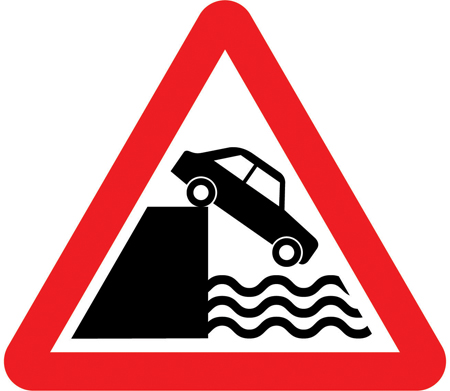 Quayside or river bank | Unprotected drop beside open water | Warning triangle |
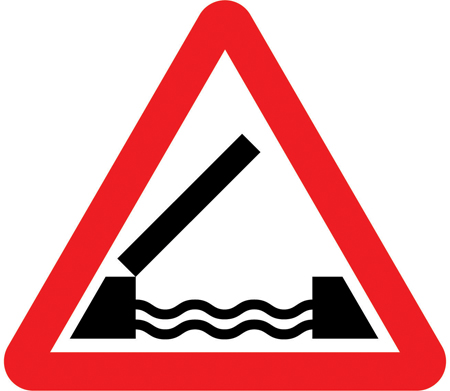 Opening bridge | Movable span may open for shipping | Warning triangle |
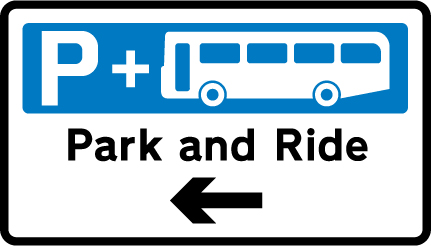 Park and ride | Car park linked to bus services | Information (white direction) |
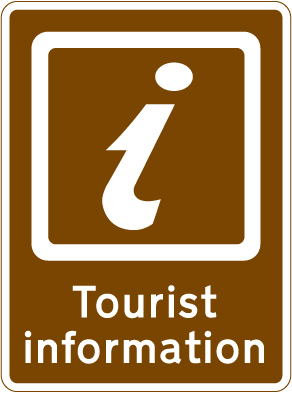 Tourist information | Visitor centre on brown board | Information (brown) |
Rules and Penalties
The ferry direction board itself does not carry a fixed penalty. Enforcement bites when you break orders on the approach: dangerous reversing, obstructing check-in lanes, ignoring no-stopping plates, or breaching height and weight limits at barriers.
Parking across hatched keep-clear zones at port mouths forces following traffic to brake on gradients. That behaviour can be treated as careless driving if others must swerve toward booth barriers.
Using a bus lane or emergency gate to skip a ferry queue can produce fines where cameras operate. White direction symbols do not override mandatory regulatory rectangles lower on the post.
Driving examiners may record a serious fault for reversing on a busy port approach after a missed turn, even when a ferry pictogram was visible in the mirror. Plan the exit before the gore solidifies.
Theory tests show the hull-and-cars pictogram among quayside and bridge distractors. Learn facility direction families, not one harbour map.
Check the latest theory test pass mark and book when you are ready via our booking guide.
Ferry direction in Practice
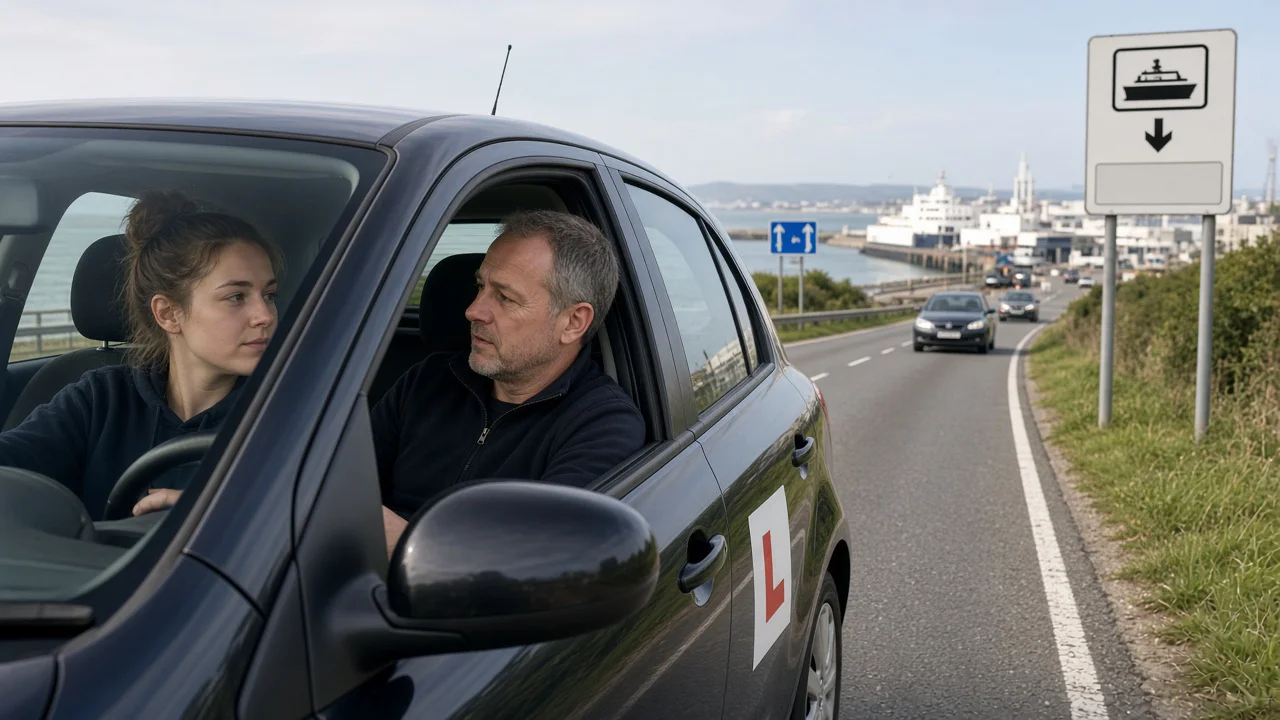
Ruby is on a Saturday morning lesson with her instructor, practising port approaches on the A20 corridor toward Dover. Cross-channel traffic is building, and her instructor asks her to use official direction signing instead of scrolling the map while lorries merge from the motorway.
Near the Eastern Docks spur Ruby spots a white direction board with the black car-ferry pictogram and a right-pointing arrow above distance text toward the vehicle check-in lanes. She checks the nearside mirror, signals right in good time, and eases into the deceleration lane without crossing the solid white line that separates through town traffic.
A hatchback ahead brakes late and swerves toward an unsigned industrial estate. Ruby holds her lane, follows the ferry arrow onto the signed port road, and slows for give-way markings where shuttle buses cross. She notes a supplementary plate warning of height barriers for upper decks; her instructor’s car clears it, and Ruby files the reading for a future caravan mock question.
They do not stop on the live filter lane to hunt boarding passes. Ruby uses a marked waiting area shown on a subsidiary plate, then walks the one-way booth loop on foot while her instructor explains that the direction symbol brought them to the gate but port staff still control queue order at peak sailings.
On a theory app that evening Ruby faces an item that crops the white panel to the hull pictogram alone. She picks the answer that describes a vehicle ferry terminal turn-off, not a quayside warning triangle or a brown tourist arm, and links the scene to the Dover approach she drove earlier.
How This Sign Appears on the Theory Test
Picture questions show the car-ferry silhouette with an arrow among quayside triangles and brown tourist boards. Choose vehicle ferry terminal direction on the arrow, not unprotected water edges or picnic pictograms.
Scenario stems describe a driver reversing on a dual carriageway after missing a hull pictogram. The safe pattern is to continue to the next lawful turning place; the symbol does not authorise reversing in live traffic.
Distractors swap in opening-bridge triangles, blue hospital H panels, and festival wording on yellow boards. Read pictogram shape and board colour together before you submit.
Navigation items may pair the symbol with distance plates such as four hundred yards. Treat them like any direction sign: move early and avoid cutting across hatchings.
Car candidates need forty-three correct answers from fifty questions within fifty-seven minutes. Filter revision on port direction boards alongside quayside and bridge warnings so water-related symbols stay distinct under time pressure.
Hazard perception clips rarely show the plate clearly, yet expect slower traffic near ferry turn-offs in summer. Ease off when brake lights bunch before port roundabouts.
Take a free mock theory test and filter questions on road and traffic signs. Pair that with the warning signs guide for triangle symbols.
Related Road Signs
Quayside sign
Red triangle for drops beside water, not terminal arrows.
Opening bridge
Movable spans near harbours and estuaries.
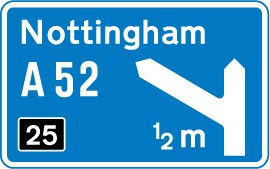
Ring road sign
Orbital routes that often list port exits.
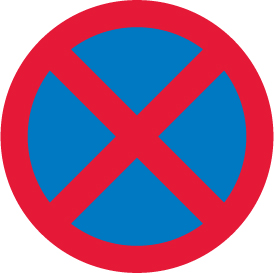
No stopping sign
Keep-clear lengths on busy check-in spines.
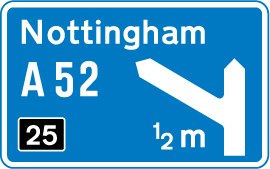
Primary direction sign
Green A-road boards that may precede port turn-offs.
Test Yourself on UK Road Signs
Treat the car-ferry pictogram as a navigation cue: read arrows and distances early, keep check-in lanes clear, and separate terminal directions from quayside hazard triangles when the sea is nearby. Revising the ferry sign UK layout beside quayside triangles keeps pictogram families straight. A free mock theory test helps you practise port boards before the exam swaps hull symbols, bridge artwork, and brown tourist arms.
Frequently Asked Questions
What does the car ferry pictogram on a white board mean?
It marks a direction toward a vehicle ferry terminal on the arrow shown, often with distance text on the same panel. It guides you to marshalling and check-in routes; it does not warn that the road crosses open water.
How is this different from the quayside warning triangle?
Quayside triangles warn of an unprotected drop beside water on the carriageway edge. The ferry direction symbol shows a hull with cars and an arrow toward terminal access. One is a hazard warning; the other is facility navigation.
Does the ferry direction sign book my crossing?
No. It only shows which turn leads toward the terminal on the signed route. Tickets, sailing times, and security checks are handled by the operator after you follow lawful approach roads.
Can I stop on the approach lane when I see the pictogram?
Only where signs and markings allow. The direction panel sends you toward the terminal; it does not cancel clearways, double white lines, or no-stopping orders on the through route.
Will the theory test ask about the ferry symbol?
Yes, often mixed with other direction and warning signs. Learn the hull-and-cars pictogram as vehicle ferry terminal access, and distinguish it from quayside, flood, and opening-bridge artwork.