
Last updated: October 2026 · Checked against Highway Code
Rest Area Sign: meaning, rules and what to do
The rest area sign UK drivers meet on fast roads is usually a blue information panel with bold white diagonal bars that confirms a lawful pull-off for rest lies ahead. It is navigation for tired travellers, not permission to stop on the live carriageway, hard shoulder, or hatched gore while you hunt for the exit.
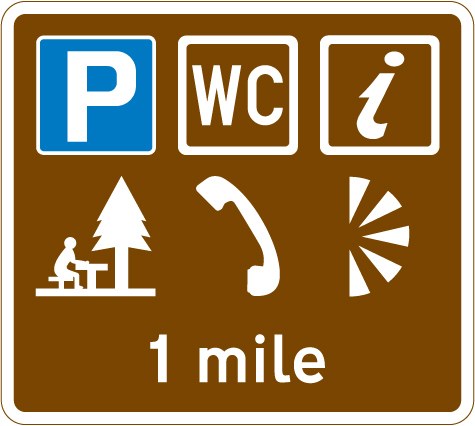
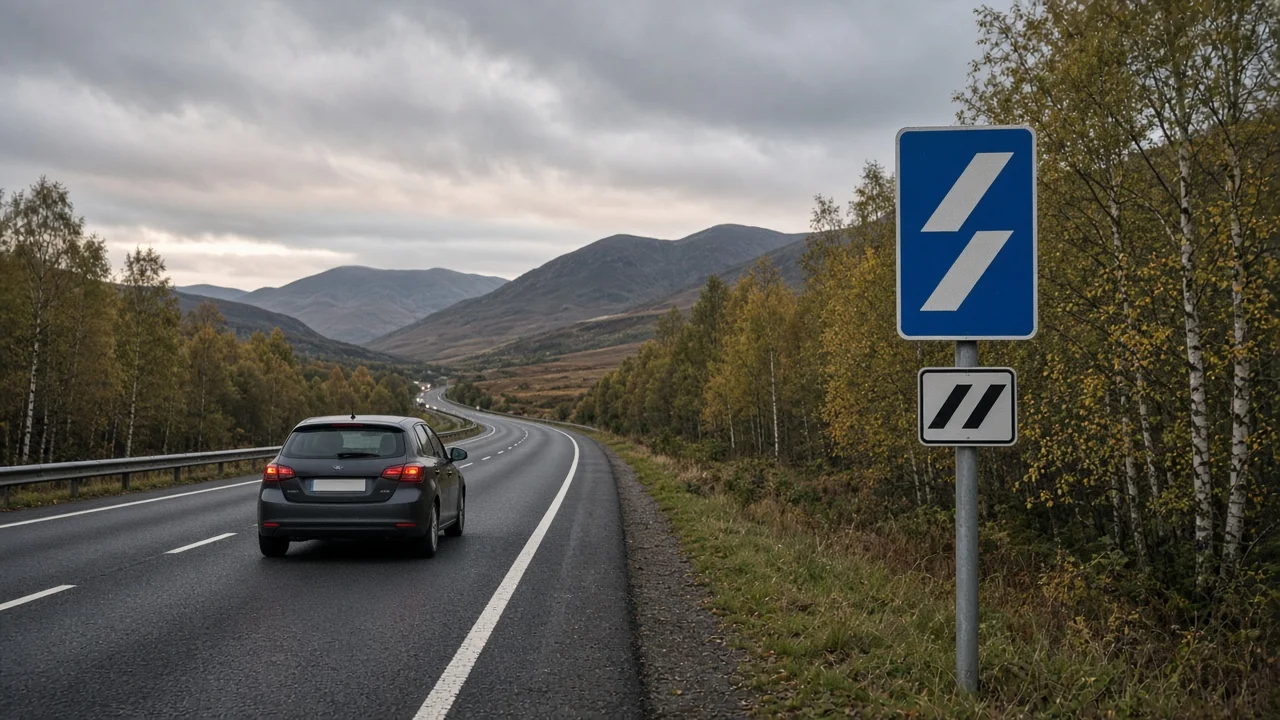
Sign image © Crown copyright, reproduced from GOV.UK traffic sign images under the Open Government Licence v3.0.
What the Rest area Sign Looks Like
The GOV.UK catalogue entry for this facility pairs a vertical blue rectangle with two thick white bars set at a shallow angle, like shortened countdown stripes on a motorway direction board. The bars read clearly at speed and match other blue driver-information graphics rather than red warning triangles or brown tourist panels.
Posts and gantries mount the plate beside distance plates or junction numbers so you know which slip or lay-by accepts stopping traffic. On some trunk roads the same symbol repeats on a smaller repeater after a side turn, especially where Scottish lay-bys sit beyond a crest.
Colour coding follows motorway and dual-carriageway information signs: blue field, white legend, no red ring. That separates the plate from regulatory no-stopping circles and from brown attraction boards. Night driving still depends on retroreflective sheeting; rain on a windscreen can blur distant blues until you are closer.
Learners confuse the rest area marker with full motorway services pictograms that show fuel and food, with emergency telephone handsets on the hard shoulder, or with plain parking P plates in towns. The bar motif signals a rest opportunity off the main flow, not a shop complex and not an SOS point on the live lane.
Temporary yellow boards during roadworks may point traffic toward a signed rest compound while the usual mouth is closed. Trust the live blue plate on the permanent post when both appear, and read any supplementary white rectangle for lorries-only bays or time limits.
Motorway services use knife-and-fork or fuel symbols on blue panels with slip-road arrows. Emergency telephones mark SOS points beside the hard shoulder. Parking signs show a white P for general bays. The rest area sign UK schedule uses for lay-bys and formal rest compounds tells you a fatigue break location is ahead on the arrow shown, without listing catering unless extra legends appear.
What the Rest Area Sign Means
Highway and motorway authorities publish rest areas where long distances and monotonous scenery raise fatigue risk. The information plate is advance notice: a signed lay-by, parking spur, or short parallel road exists so you can leave the through carriageway without blocking traffic.
Rule 91 in The Highway Code warns that driving when tired sharply increases crash risk. Rules 92 to 94 add that you must take a full break rather than opening a window or turning up the radio. The rest area sign supports that habit by showing where a lawful stop is coming; it does not replace your judgement about when to stop.
On motorways you must not use the hard shoulder for rest or phone calls except in a genuine emergency. Follow the blue marker to the next exit, services, or signed rest facility instead of treating the verge as a picnic spot. Smart motorway red X signals mean the lane beneath is closed; they never denote a rest bay.
On dual carriageways and Scottish trunk roads such as the A9, rest compounds and lay-bys may sit behind deceleration lanes. Signal early, check mirrors for fast closing traffic, and reduce speed on the slip before you relax your grip on the wheel. Gravel verges beside informal lay-bys can be soft after rain.
Large goods vehicles sometimes have separate bays marked on supplementary plates. Car drivers should not block coach or HGV slots because the blue panel looked general. Keep nearside wheels inside any white edge line and avoid reversing across the main road mouth when lorries are exiting.
Northern Ireland trunk roads use the same blue information family on many high-speed links. If you revise in Belfast after practising in Glasgow, the rest marker still means a signed stopping place ahead, not a urban pay-and-display bay.
Sat-nav may say “rest stop” without showing the same symbol on screen. Cross-check the post at every fork because mapping data can lag when Transport Scotland or National Highways reopens a compound after maintenance.
Before a long lesson or test week, agree a fatigue plan with your instructor: who calls breaks, how long they last, and whether you swap drivers on private practice runs.
When supervising learner Finn on Highland routes, rehearse naming the blue rest marker aloud so he links the bars to an off-road stop, not to a random grass verge that lacks lighting and firm ground.
Car parks at rest areas are not test manoeuvre zones. Keep practice reversing for quiet estates; examiners expect you to rejoin smoothly without grazing kerbs on loose chip surfaces.
Winter ice can linger in shaded lay-bys north of Perth while the main road looks clear. Walk the parking strip before you trust a slope, especially if you stopped because you felt drowsy rather than because of a mechanical fault.
Do not leave engines idling for long periods in enclosed bays; fumes bother other users. Switch off, lock doors, and keep valuables out of sight because rest stops are public spaces with passing traffic.
If you miss the mouth, continue to the next signed facility rather than reversing on a dual carriageway or making a U-turn across solid white lines. A few extra miles beats a dangerous turn in fading light.
Caffeine helps briefly but does not cure sleep debt. Use the rest area break to stand, move, and plan whether you should end the journey early rather than pushing to “just one more junction”.
Mobile coverage can be patchy in glens. Tell someone your route before you rely on a lay-by stop as your only chance to message home.
Highway Code rules 91 to 94 (fitness to drive, fatigue and breaks)
Rest area vs Similar Signs
| Sign | Meaning | Legal or warning? |
|---|---|---|
| Rest area | Signed pull-off for rest ahead | Information (blue) |
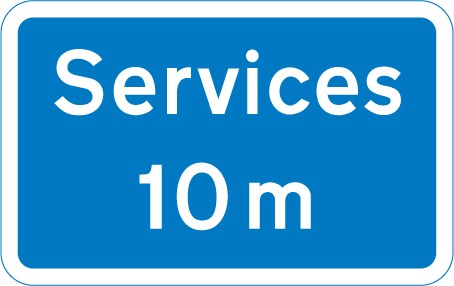 Motorway services | Fuel, food and toilets via slip road | Information (blue) |
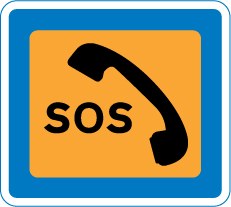 Emergency telephone | SOS point on motorway hard shoulder | Information (blue) |
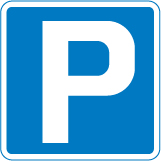 Parking | Car park or bays ahead | Information (blue) |
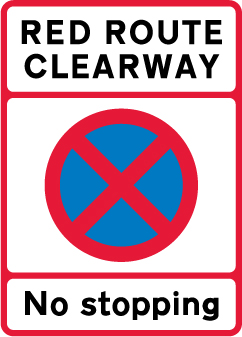 Clearway | No stopping during signed hours | Regulatory |
Rules and Penalties
Stopping on a motorway live lane or hard shoulder without a genuine emergency breaches motorway regulations and risks fixed penalties or court referral when cameras or police observe it.
Ignoring a smart motorway red X to reach a lay-by endangers breakdown crews and can trigger automatic fines where enforcement cameras operate.
Parking across hatchings at a rest mouth forces following traffic to brake on the slip. That behaviour can be treated as careless driving if others must swerve.
Sleep-related crashes carry serious charges when investigators show you drove knowing you were unfit. A visible rest area sign on the approach does not reduce culpability if you pressed on.
Theory tests may show the blue bar panel beside distractors about services, telephones, or red X meanings. Learn pictogram families so fatigue scenarios pick lawful exits, not illegal shoulder stops.
Check the latest theory test pass mark and book when you are ready via our booking guide.
Rest area in Practice
Finn is on a midweek lesson with his instructor on the A9 north of Perth, practising long-distance concentration on a grey afternoon. His shifts at a warehouse mean he slept poorly, and the straight dual carriageway through birch woods starts to feel hypnotic.
A blue rest area sign with white diagonal bars appears on a gantry beside a distance plate. Finn says the marker out loud; his instructor asks him to mirror-check and signal before the deceleration lane, rather than swerving when the gravel mouth is already beside the car.
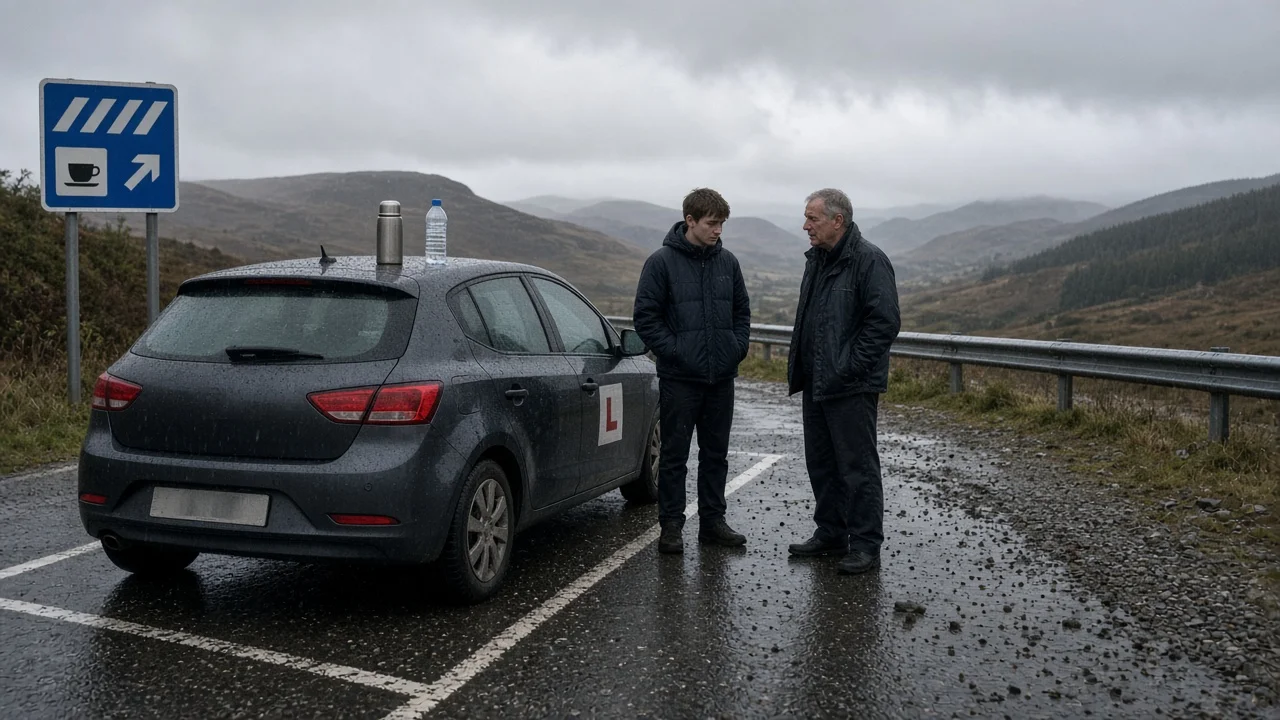
They roll into a Transport Scotland lay-by with firm tarmac, park away from the slip mouth, and apply the handbrake. Finn walks to the crash barrier, drinks water from his flask, and sets a phone timer for a fifteen-minute break while lorries pass on the main carriageway.
Earlier in the lesson Finn had considered stopping on a soft verge when the sign was still half a mile ahead. His instructor explained that the rest area sign UK layout exists to guide him to a designed bay with sight lines for rejoining, not to bless a random grass patch where the nearside wheels could sink.
On a later mock theory item, Finn sees the same blue bar motif beside a services pictogram and a red X graphic. He chooses the answer that links the bar panel to a lawful fatigue stop off the main road, then passes the motorway rules block without confusing rest areas with closed lanes.
How This Sign Appears on the Theory Test
Picture questions may crop the blue panel with white bars and ask what facility awaits. Select rest or lay-by off the main carriageway, not emergency telephone, full services catering, or a red X lane closure.
Scenario stems describe tired drivers on motorways. The scored option usually requires leaving at the next lawful exit or signed rest facility rather than stopping on the hard shoulder for coffee.
Distractors swap in parking P symbols, hospital H boards, and tourist brown signs. Read the bar motif and any arrow before you submit.
Navigation items pair the marker with distances. Knowing whether you have time to move left matters as much as recognising the symbol.
Hazard perception clips rarely show the plate clearly, yet fatigue scenes reward easing off when traffic drifts near slip roads. Expect vehicles to slow unpredictably when drivers spot a late rest mouth.
Car candidates need forty-three correct answers from fifty questions within fifty-seven minutes. Filter revision on motorway information signs alongside fatigue chapters so breaks stay lawful under exam pressure.
Take a free mock theory test and filter questions on road and traffic signs. Pair that with the warning signs guide for triangle symbols.
Related Road Signs
Parking sign
General bays rather than trunk-road rest compounds.
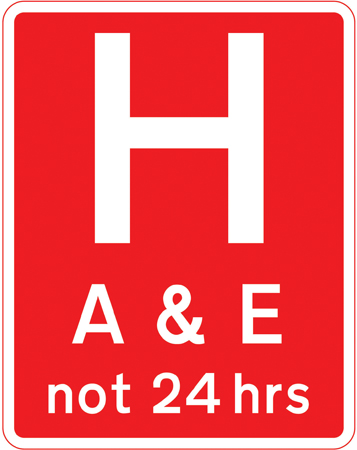
Hospital sign
Medical campuses, not fatigue lay-bys.
Clearway sign
Stopping bans that still apply on approaches.
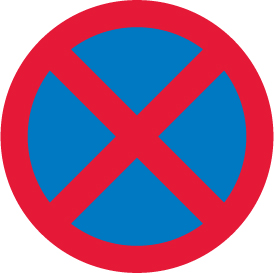
No stopping sign
Lengths where only signed bays allow halts.
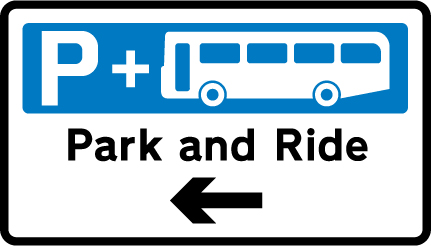
Park and ride sign
Parking linked to buses, not roadside rest.
Test Yourself on UK Road Signs
Treat the blue rest area marker as a fatigue safety cue: read it early, leave the through lanes cleanly, and take a proper break before you rejoin fast traffic. That habit matters on Scottish trunk roads and motorways alike. Use a free mock theory test to separate rest panels from services, telephones, and smart motorway red X symbols when the clock is running.
Frequently Asked Questions
What does the blue sign with white bars mean?
It marks an upcoming signed rest area or lay-by where you may leave the main carriageway for a break. Follow the arrow and distance plates to the lawful pull-off rather than stopping on the live road.
Can I stop on the hard shoulder when I feel tired?
No, except in a genuine emergency. Use the next exit, services, or signed rest facility shown on information boards. The hard shoulder is for breakdowns and emergencies, not routine rest.
How is a rest area different from motorway services?
Services signs usually show fuel or food pictograms and a slip road to a commercial site. Rest area markers point to simpler pull-offs for breaks and may not offer shops or fuel unless extra legends say so.
Does seeing the sign mean I must stop?
It does not force a stop, but if you are tired you should use the facility. Driving while knowingly fatigued is dangerous even when no plate appeared yet.
Will the theory test ask about rest areas?
Yes, often in motorway and fatigue scenarios. Learn the blue information panel and choose answers that use lawful off-road stops rather than shoulder parking or ignoring red X closures.