
Last updated: October 2026 · Checked against Highway Code
Weight Limit Sign: meaning, rules and what to do
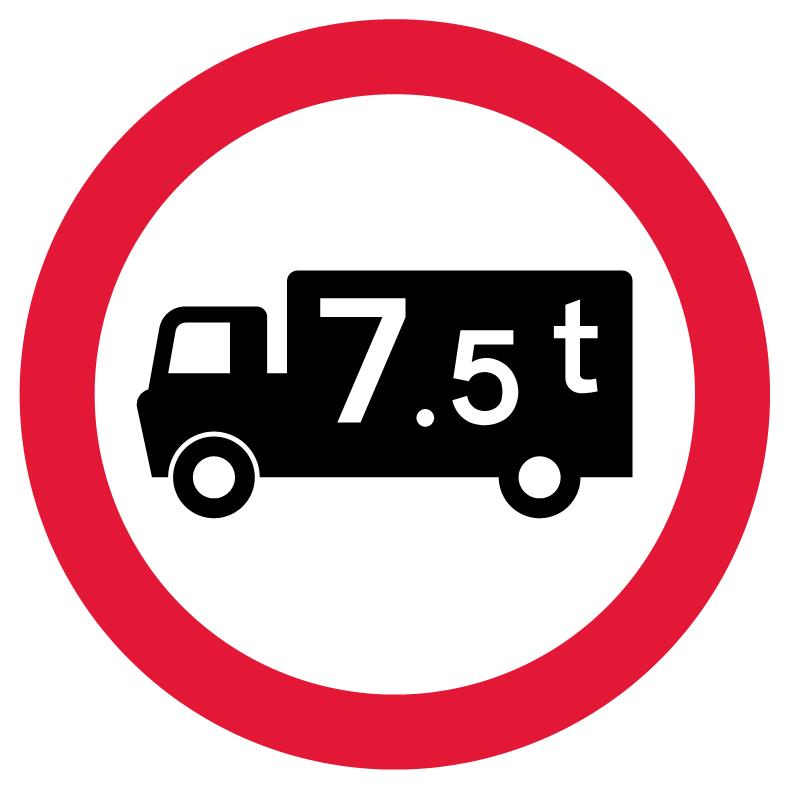
The UK weight limit plate is a red-ringed regulatory circle with a black lorry silhouette and a white tonnage figure such as 7.5 t printed on the body, telling you that goods vehicles above that maximum gross weight must not continue past the post because the bridge, culvert or carriageway ahead cannot safely carry heavier loads.
Sign image © Crown copyright, reproduced from GOV.UK traffic sign images under the Open Government Licence v3.0.
What the Weight limit Sign Looks Like
The plate follows the same regulatory grammar as a speed limit roundel: thick red border, white field, bold black artwork. Instead of mph digits in the centre, you see a side-view goods vehicle facing left with the limit printed in white on the cargo area. Common figures include 3 t, 7.5 t, 17 t and 18 t, always with a lower-case t for tonnes unless a supplementary rectangle repeats the numeral in black on white.
Learners who drill speed limits first often treat any number in a red ring as miles per hour. The lorry pictogram is the clue that the numeral measures mass, not speed. Length restriction plates add span arrows under a feet-and-inches figure. Height plates squeeze the gap vertically. The weight limit sign is the circle where tonnes sit on the lorry body without those arrows.
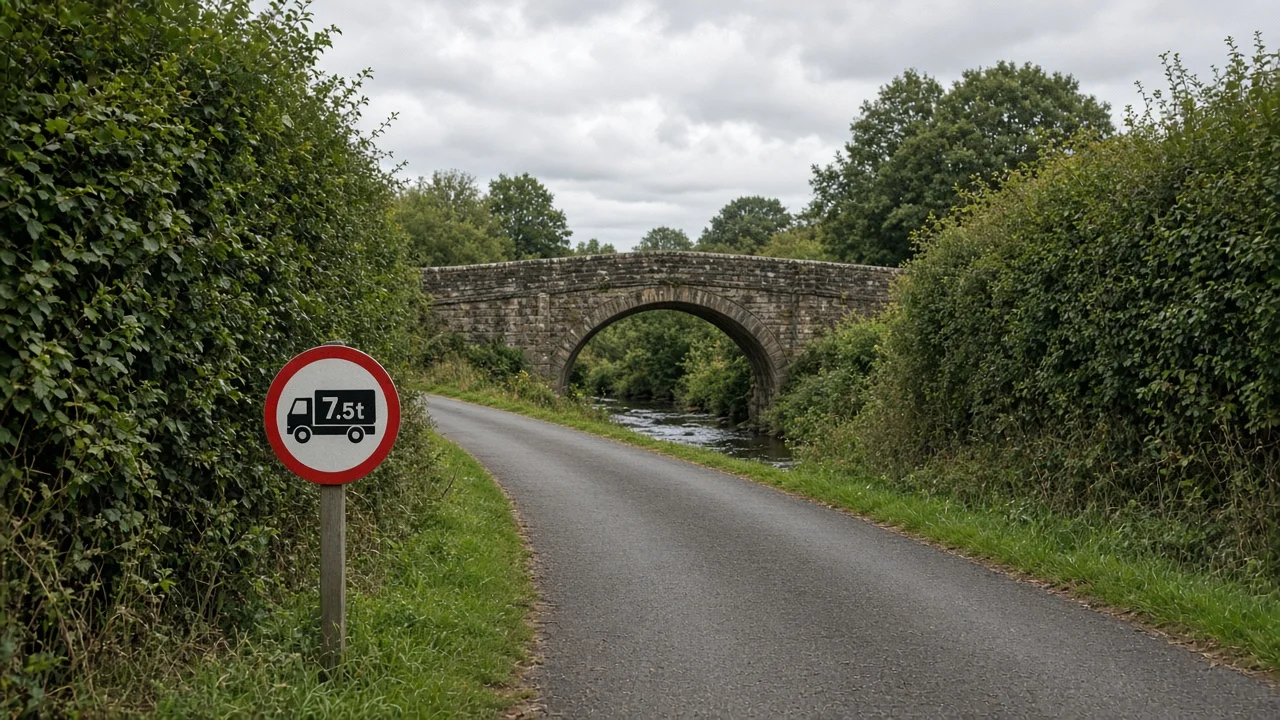
Posts cluster at village bridge mouths, narrow parish lanes, and former railway arches now carrying buses and vans. A white header may read Weak bridge above the circle. Distance boards on warning triangles sometimes show the same tonnage hundreds of yards earlier so an artic can turn at the pub car park instead of blocking the single-track span.
Temporary orders after flood damage can swap the figure overnight while the silhouette stays the same. Faded paint on older plates still binds if the order remains in force. Compare every face on the post: a left-pointing diversion arrow for HGVs may sit beneath the circle even when your car sat nav still shows the direct line over the brook.
The separate weight restriction guide explains maximum authorised mass enforcement and weak-bridge engineering in more depth. Here the focus is reading the tonnage numeral quickly, routing heavy lorries away from village bridges, and matching DVSA artwork in picture questions. Do not confuse tonnes on a lorry with mph in a speed roundel or feet on a length plate.
What the Weight Limit Sign Means
Traffic authorities use the plate where structural surveys show that repeated heavy axle loads could crack an arch, punch through a culvert, or rut a flexible carriageway on peat. The white figure is not a recommendation for comfort; it is the highest gross weight allowed for goods vehicles on that length. Driving past it when your cab sticker shows a higher plated weight is a clear breach even if the bridge looks picturesque and quiet.
Rule 253 in The Highway Code requires you to drive only where you can do so safely and legally. For professional drivers the tonnage on the post must match route planning before wheels roll. Empty returns do not cancel the order: an 18-tonne artic barred at 7.5 t must divert laden or unladen alike.
Car learners rarely face prosecution on these plates, yet examiners still expect you to name the sign family and say who must not pass. Picture items reward candidates who quote the tonnes figure and link it to goods vehicles, not to every private car unless the scenario adds a heavy motorhome or twin-axle trailer near the limit.
Village bridges combine tight geometry with hidden capacity. A brick span may allow two cars to meet while forbidding two artics in the same hour. The numeric plate protects the deck; it does not widen the lane. Give reversing lorries space rather than squeezing past while an HGV driver reads a diversion plate in a mirror the size of a dinner plate.
Supplementary plates may send HGVs left along a B road with its own humps and width orders. Follow the full chain rather than peeling off at the first farm track. Sat nav lines ignore tonnage until you teach the app a banned bridge; the red circle at the kerb still wins in court.
Warning triangles with a tonnage numeral alert you upstream. The regulatory circle is the commitment point. Theory distractors sometimes ask whether the triangle alone is enough to prosecute; the safe revision answer is that the prohibitory disc is where goods vehicles above the figure must not pass.
Motorhomes and large outfits sit in a grey zone when no lorry is drawn but mass still threatens an old deck. Courtesy and insurance common sense often mean turning back even when strict goods-vehicle law might not apply to a car-derived van below 3.5 tonnes.
Railway bridges, accommodation bridges, and farm crossings reuse the same numeric artwork nationwide. Northern Ireland uses matching shapes on most public roads, so Belfast revision materials show the same lorry-and-tonnes circle as Manchester apps.
Weigh-in-motion kit on some A roads supplements signs, yet most rural limits rely on operator honesty and occasional stops. A crisp 7.5 t on white inside the lorry silhouette is easy evidence when the plated weight on the door exceeds the post.
Climate and maintenance change capacity between inspections. Respect fresh figures after repairs even when the parapet stones look unchanged from a holiday photo. Councils sometimes lower a limit from 17 t to 7.5 t without widening the lane a single inch.
On driving lessons through stone-bridge villages, call out the tonnes figure when you spot the red ring. Instructors link the moment to hazard perception: brake lights and chevrons often appear before you see the post behind a hedge.
If you tow near 3.5 tonnes combined, read V5C weights before scenic shortcuts. The plate targets goods vehicles by symbol, yet deck damage still hurts everyone when something snaps.
When an artic reverses from a bridge mouth, hold back at the give-way line. Blocking the only turning pocket forces the lorry to straddle the crown and risks a strike on the parapet.
Report vandalised or missing numerals to the highway authority with a grid reference. Operators gamble when paint flakes off the white t.
Before the theory test, pair this plate with length and height circles in one revision sitting so arrows and tonnes do not blur under exam clock pressure.
After storms, check council closure feeds before trusting a favourite cut-through. Weight damage can close a crossing while the circle remains as a reminder for partial reopening.
HGV mock papers sometimes ask which plate forces a diversion. Choose the lorry with tonnes, not the triangle that only warns.
Photograph practice routes where instructors point at weak-bridge headers. Real-world memory beats flashcards when foliage hides the lower half of the post.
Before you commit to a rural cut-through, read the lorry symbol and tonnes figure at the mouth of the lane. HGV drivers should plan diversions in the yard, not by reversing half a mile from a hump-backed bridge.
If you drive a dual-purpose pick-up near the goods vehicle threshold, check V5C plated weights and any operator licence duties. Theory questions often use 7.5 tonnes as the boundary where goods vehicle rules tighten.
Highway Code rules 253 and 124 (legal road use and vehicle limits)
Weight limit vs Similar Signs
| Sign | Meaning | Legal or warning? |
|---|---|---|
| Weight limit | Goods vehicles over the shown tonnes must not pass | Regulatory circle with lorry numerals |
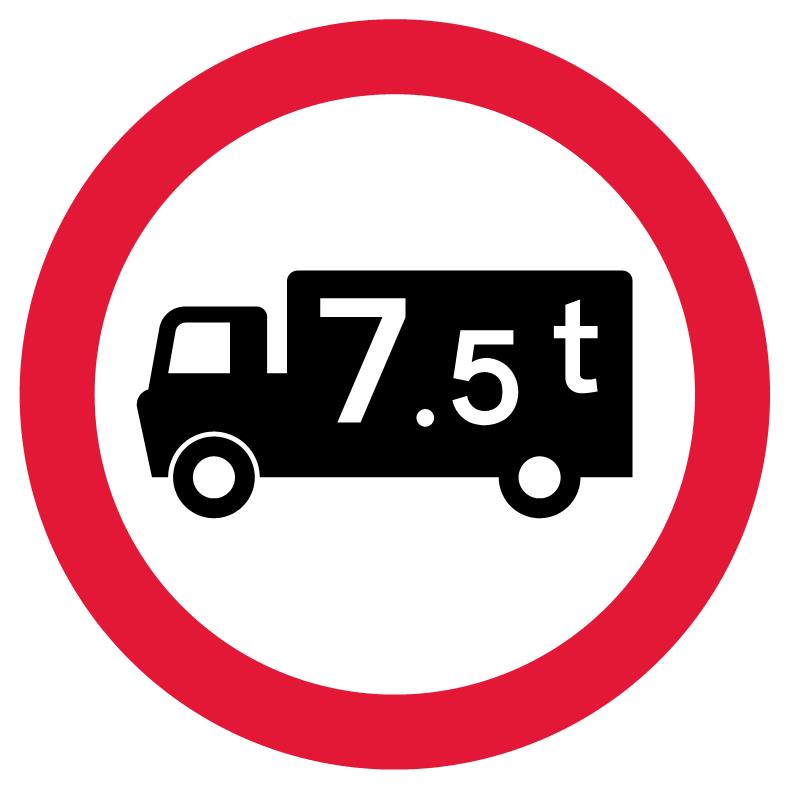 Weight restriction | Same family; often discussed with MAM enforcement detail | Regulatory circle |
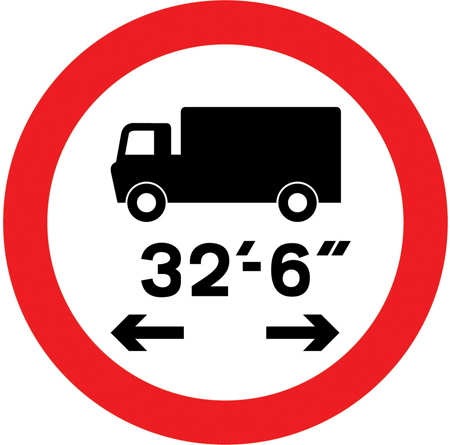 Length restriction | Maximum vehicle length with span arrows | Regulatory circle |
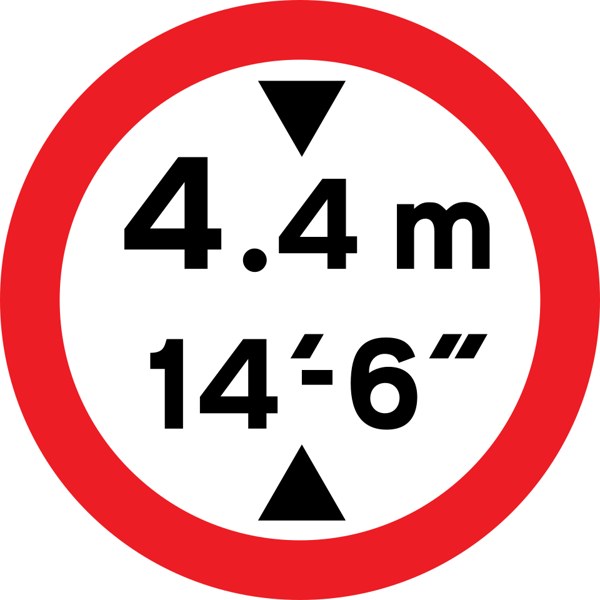 Height restriction | Maximum headroom in metres or feet | Regulatory circle |
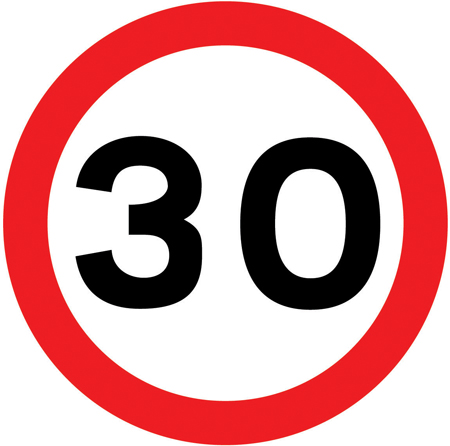 30 mph limit | Maximum speed in miles per hour, not tonnes | Regulatory number in red ring |
Rules and Penalties
Goods vehicles driven past the plate above the posted tonnes risk fixed penalties, operator licence scrutiny, and traffic commissioner attention when telematics show ignored diversions.
Structural damage after a clear breach can trigger careless driving charges and civil recovery from the highway authority, especially when route planning records show the bridge was visible on mapping tools.
Operators who script village shortcuts for delivery savings may share liability when a driver strikes parapet stonework after passing a legible 7.5 t disc.
Car drivers who block bridge mouths during confused reversals can still face obstruction or careless driving attention when traffic is put at risk, even without a weight prosecution.
Theory papers test recognition and lawful response: pick answers that quote tonnes on a lorry inside a red ring, not mph digits or advisory empty-lorry myths.
Check the latest theory test pass mark and book when you are ready via our booking guide.
Weight limit in Practice
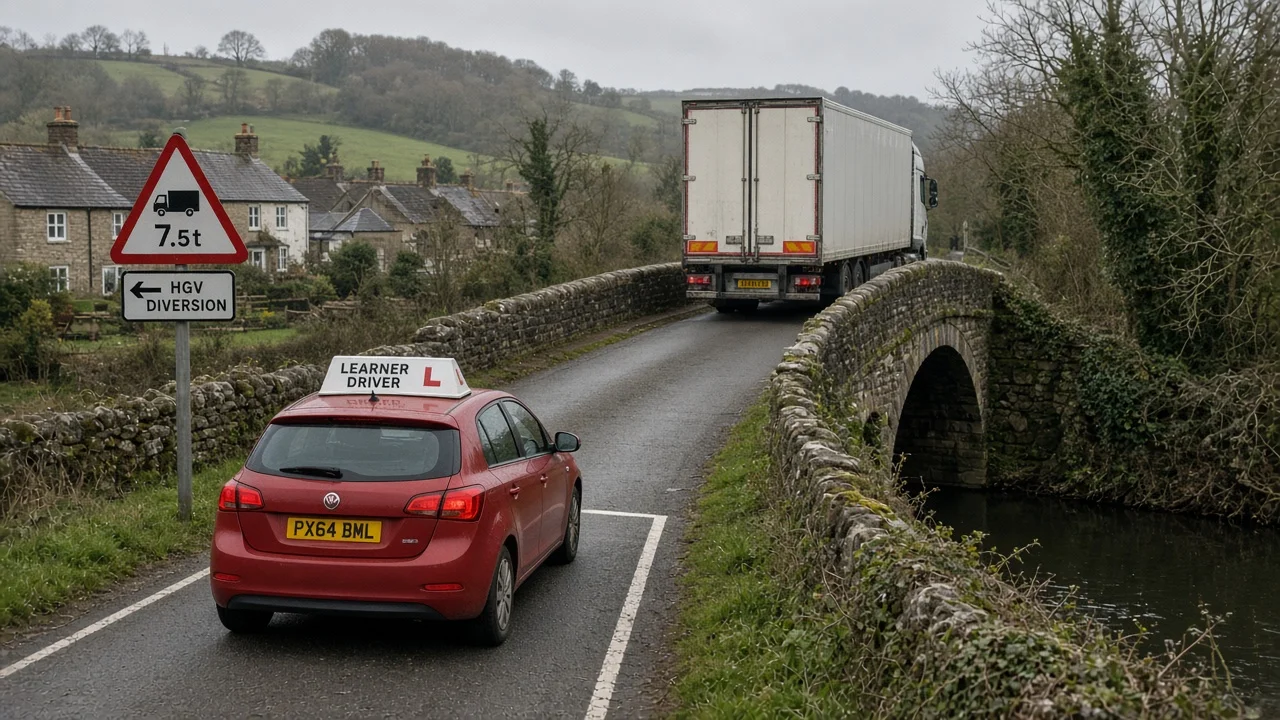
Kai is seventeen, three weeks into manual lessons in the Peak District. His instructor, Mo, routes them through a hamlet with a hump-backed stone bridge over a stream. On the approach, a red warning triangle shows 7.5 t. At the narrow mouth, the regulatory circle repeats the figure in white on the lorry silhouette.
Mo asks Kai to pull into a passing bay before the crown. An artic appears from the other side, cab plates showing eighteen tonnes. The driver stops, walks the mirror line, and shakes his head. A rectangular plate beneath the circle points HGVs left along a lane Kai has never noticed.
The lorry engages reverse while Mo talks Kai through mirror checks and holding position. Kai realises the white numerals on the sign match the refusal: the artic cannot legally cross, even empty, because plated weight exceeds 7.5 t. Cars behind Kai wait without honking; the lesson becomes about reading tonnes, not about memorising bridge engineering tables.
That evening Kai revises road signs for his theory booking. A mock photo shows the same lorry artwork with 3 t instead of 7.5 t. He chooses the option that goods vehicles over three tonnes must not pass and rejects a distractor quoting thirty miles per hour.
Mo sets a hazard clip on a narrow approach with brake lights and chevrons. Kai taps early when the wall lines converge, even though the prohibitory post is off-screen. The score rises because he linked village geometry to weight routing behaviour.
Before the practical test in Mo’s Fiesta, Kai practises naming regulatory circles aloud on rural loops. When a plate shows tonnes on a lorry, he says weight limit for goods vehicles and mentions diversion arrows, which matches how examiners phrase show-me-tell-me style sign chats on some routes.
How This Sign Appears on the Theory Test
Picture questions show the lorry silhouette with a tonnage figure inside a red circle and ask who must not continue. Select goods vehicles heavier than the number shown, not every car unless the stem adds a laden trailer scenario.
Distractors swap mph numerals from speed roundels or length figures with arrows. Scan for the lower-case t and the goods vehicle outline before you tap.
Some items pair an upstream warning triangle with the regulatory circle. The safe answer obeys the prohibitory tonnes at the bridge, treating the triangle as advance notice only.
Hazard perception on lane narrowing rewards early slowing when traffic stacks before masonry arches, even when foliage hides the post until the last moment.
Filter sign revision by regulatory circles, then drill tonnes beside length feet and height metres in one session so shapes stay distinct under time pressure.
Take a free mock theory test and filter questions on road and traffic signs. Pair that with the warning signs guide for triangle symbols.
Related Road Signs
Weight restriction sign
Same tonnage family with more detail on weak bridges and MAM.
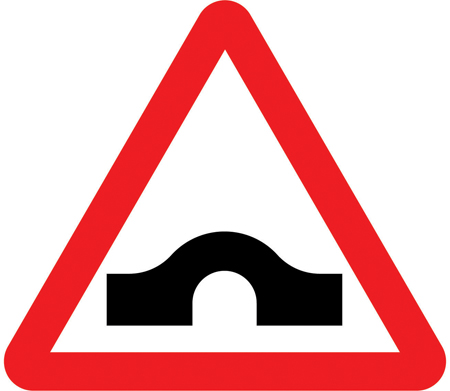
Hump bridge sign
Warning triangle for crest geometry before many village spans.
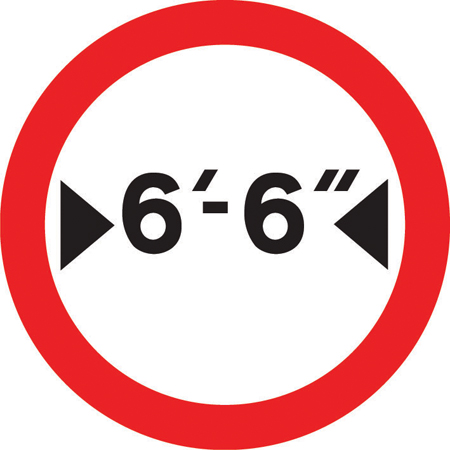
Width restriction sign
Span arrows and feet-and-inches limits on tight arches.
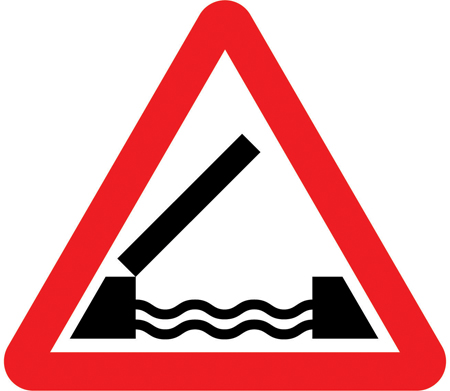
Opening bridge sign
Movable decks where separate tonnage orders often apply.
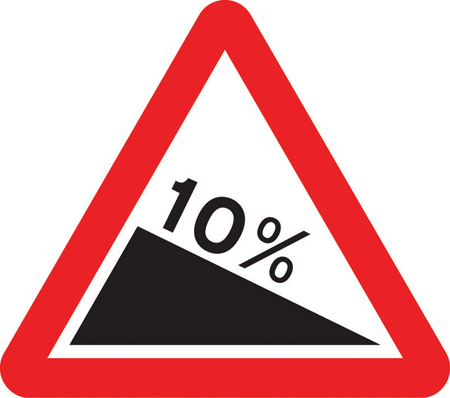
Steep hill down sign
Long descents where laden lorries need low gears before bridges.
Test Yourself on UK Road Signs
Treat the white tonnes figure on the lorry as the decision point for goods vehicles, and notice diversion arrows before you reach the crown. Car learners like Kai need sharp recognition for DVSA photos even when their first car will never weigh seven tonnes. Pair this page with the weight restriction guide for enforcement detail, then run a free mock theory test to drill restriction numerals beside speed roundels from the regulatory signs hub.
Frequently Asked Questions
What does the weight limit sign mean?
It prohibits goods vehicles whose maximum gross weight exceeds the tonnes figure printed in white on the lorry pictogram inside a red circle. It protects bridges and road structures that cannot carry heavier loads.
How do I read the number on the plate?
The digits and lower-case t state the maximum gross weight in tonnes for goods vehicles. Compare that figure with the plated weight on the cab or trailer before you cross, not with your speedometer.
Does the weight limit sign apply to cars?
The standard artwork targets goods vehicles. Ordinary cars are not usually banned unless they exceed the limit as a plated category or a supplementary plate says otherwise. Heavy motorhomes should check mass before crossing.
How is it different from a 30 mph sign?
Both use a red ring, but a speed plate shows mph digits without a lorry. The weight limit sign shows tonnes on a goods vehicle silhouette. Mixing the two is a common theory trap.
Will this appear on my theory test?
Yes. Restriction signs are core knowledge. Expect image questions linking the lorry pictogram and tonnes figure to goods vehicle limits and safe diversion behaviour.