
Last updated: October 2026 · Checked against Highway Code
No Motor Vehicles: meaning, rules and what to do
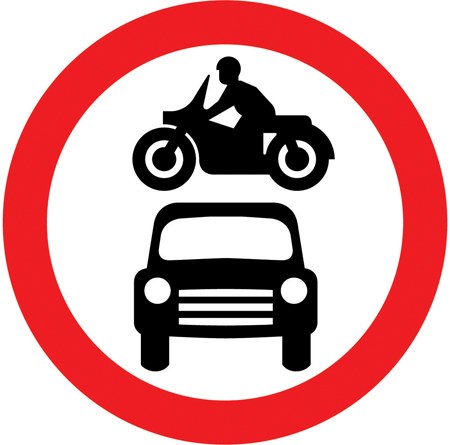
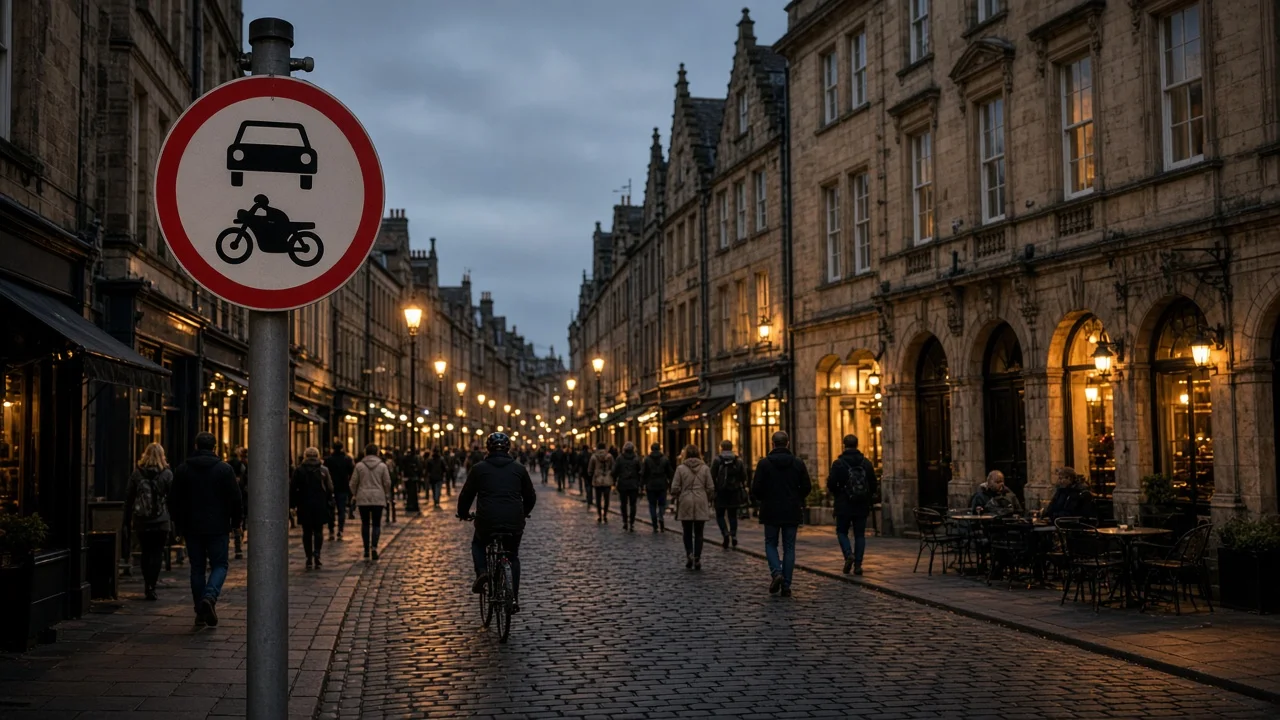
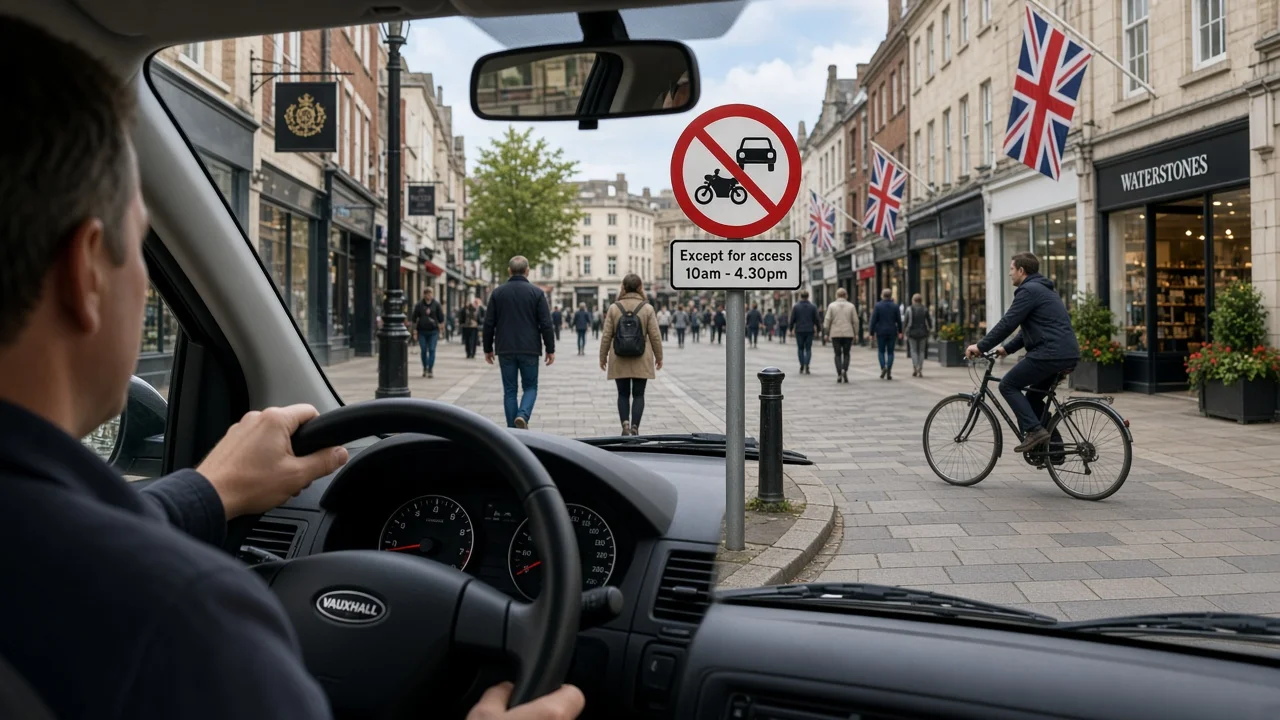
The no motor vehicles sign is a red-ringed regulatory circle with car and motorcycle silhouettes. It tells drivers that motorised traffic must not proceed along the road or zone ahead, while walkers and pedal cycles may continue unless a separate order removes them.
Sign image © Crown copyright, reproduced from GOV.UK traffic sign images under the Open Government Licence v3.0.
What the No motor vehicles Sign Looks Like
The face is a white disc inside a thick red border, with black pictograms of a car above a motorcycle. Neither symbol carries a red diagonal slash through the vehicle; the prohibition comes from the regulatory circle itself, which is the standard UK pattern for “must not” orders aimed at a class of traffic.
Dimensions follow the Traffic Signs Regulations and General Directions: the ring dominates so drivers recognise prohibition at a glance. On narrow posts the plate may sit above a rectangular white panel listing hours, “Except for access”, permit symbols, or weight limits that modify who may cross the line.
Repeat installations often guard side entries into pedestrianised cores so late joiners cannot claim they never saw the order. Some councils pair the circle with ground markings or rising bollards a few metres beyond the sign, which means the legal line is still at the plate even when steel pins look like the real barrier.
Learners sometimes swap the pictogram with “no entry”, which is a plain horizontal white bar on red for wrong-way flow. Others confuse it with blue “pedestrian zone” or “cycles only” plates that positively list who may enter. Colour and symbol family matter: red circles prohibit; blue circles often permit a class.
Temporary event fencing may copy the layout on boards at festival perimeters. Treat any official red-ring car-and-bike plate as binding for the signed length until an end plate or a clearly different traffic order applies.
No entry blocks direction into a one-way length. Pedestrian-only blue circles name who may enter positively. Cul-de-sac information rectangles describe layout without banning motors from entering at all. The car-and-motorcycle circle is a class restriction: engines off the carriageway ahead unless exempted.
What the No Motor Vehicles Means
Traffic authorities use the order where mixing cars with dense footfall would be unsafe: historic market streets, riverside promenades shared with shop fronts, university quads, and park drives opened to walkers at weekends. The restriction is about vehicle class, not about whether the surface looks like a normal carriageway.
Rule 253 in The Highway Code reminds you that you must not drive on footpaths, bridleways, or other routes reserved for non-motor traffic. This plate brings the same principle onto tarmac that still resembles a street, which is why sat-nav arrows can mislead you unless you read the entry post.
The order begins at the sign and continues along the signed zone until an end plate, a clear break in the restriction, or a junction where no matching circle faces your direction. Side streets are only safe for motors if local orders do not extend the ban through the junction mesh.
Electric cars and hybrids remain motor vehicles even when silent at walking pace. Quiet approach can surprise shoppers who assume only bicycles use the space. If you hold a lawful exemption, keep speed down and give pedestrians the full width.
Motorcycles and mopeds are normally included in the pictogram pair. Trials of rental e-scooters may treat licensed scooters as motor vehicles where local bylaws say so; pure pedal cycles stay legal unless a separate no-cycling plate appears on the same post.
Loading and servicing sometimes runs on overnight windows printed on white rectangles. A goods vehicle without a displayed permit or outside the stated hours is still a motor vehicle and must not cross the line, even when the street looks wide enough for a van beside café tables.
Blue-badge holders are not automatically exempt. Check whether the supplementary plate names disabled access, residents, or taxis. Badge rights affect parking elsewhere; they do not override a motor ban unless the traffic order explicitly says so.
Enforcement blends civil penalty charges on camera-controlled high streets with police attention when drivers endanger crowds. Appeals succeed only when you can show a valid permit, a lawful time band, or misread temporary signing that was not yet live.
Before you turn off a main road, scan both kerbs at the mouth for the car-and-bike circle. If your destination lies inside the zone, confirm access rules on the white panel rather than following the vehicle in front.
When you supervise a learner in a cathedral city or seaside resort, build a habit of naming the plate aloud at each precinct entry. Examiners reward early recognition more than last-second braking among outdoor diners.
Delivery firms should verify timed access with the venue before wheels roll past the plate. “Except for access” often means property access at walking pace, not idling outside a shop front on the footway.
If you must reverse out after a mistake, choose a moment when pedestrians are not boxed in behind your bumper. Hazard lights and an open window help people hear you inching back on cobbles.
Motorhome drivers should note that length does not create an exemption. A large panel van or camper still matches the car pictogram in DVSA recognition material.
Park-and-ride buses sometimes use separate gates with their own plates. Do not assume a bus ahead means private cars may follow unless the supplementary signing says so.
Winter markets can shift entry lines with extra barriers. Read the current plate position rather than last year’s mental map.
Cyclists may pass legally while you must not. Leave room when you are allowed to drive on adjacent routes so you do not squeeze riders into the banned length by mistake.
Before you turn into an unfamiliar lane, scan both sides of the mouth for the red ring with car and bike symbols. If you are already past it, find a lawful place to turn back before your bonnet enters a crowded footway.
When you hold a blue badge, check whether the local exemption plate names disabled access or only residents. Badge holders are not automatically exempt from motor bans unless the traffic order says so.
Highway Code rules 249 to 253 (pedestrians, cyclists and vehicle access)
No motor vehicles vs Similar Signs
| Sign | Meaning | Legal or warning? |
|---|---|---|
| No motor vehicles | Motor traffic must not enter | Regulatory red circle |
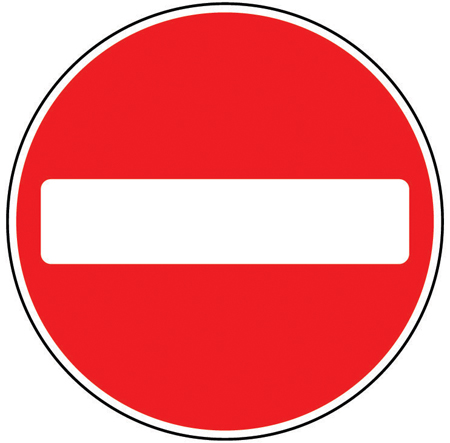 No entry | Wrong way on one-way length | Regulatory white bar |
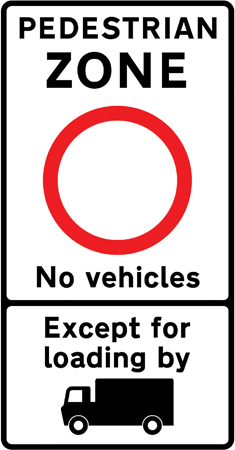 Pedestrian zone | Positive order for foot traffic area | Blue regulatory circle |
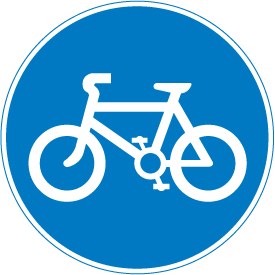 Cycles only | Allow list for pedal cycles | Blue regulatory circle |
Rules and Penalties
Driving past the plate without exemption can bring penalty charge notices from civil enforcement on camera-controlled streets, with amounts set by the local authority.
Police may stop drivers who endanger pedestrians after illegal entry, especially during late-night hospitality hours when crowds spill across the carriageway.
Insurance disputes after minor bumps in pedestrianised areas often turn on whether the vehicle was lawfully present. Dashcam footage showing the entry plate strengthens or weakens a claim accordingly.
Theory tests show the car-and-motorcycle pictogram and ask who may continue. Answer pedestrians and cycles unless the scenario adds a pedestrian-only plate that bans all wheels.
Using hazard lights while unloading on a footway does not legalise a motor entry. Leave the restricted length or hold a valid permit before wheels stop.
Repeat offences in city centres can attract higher charges or removal during events when emergency access must stay clear.
Check the latest theory test pass mark and book when you are ready via our booking guide.
No motor vehicles in Practice
Priya collects a hire car in Bath and follows a sat-nav arrow into a stone arch beside the abbey. A red circle with car and motorcycle symbols faces her, with a panel reading “Except for access 6am–10am”. The clock on the dashboard shows half past three in the afternoon.
She stops with the bonnet still short of the line, checks the rental agreement, and sees no precinct permit. Rather than nudging forward to ask a marshal, she selects reverse, returns to the main road, and parks in the signed multi-storey she passed two corners back.
She wheels luggage along the flagged street on foot, passes cyclists legally using the route, and meets her hotel porter at the lobby door. A taxi idling inside the zone displays a trade permit on the dash, which explains why it did not follow her retreat.
That evening she practises sign questions online and picks the answer that allows pedal cycles through while forbidding her hire car without a time exemption. The pictogram clicks faster on screen because she has already met the plate in traffic.
How This Sign Appears on the Theory Test
Image items pair the car-and-bike circle with short stories about market towns and shopping lanes. Choose the option that keeps motor vehicles out while leaving non-motorised users free unless extra plates say otherwise.
Distractors often mention no entry bars or cul-de-sac information symbols. Red circles prohibit; white rectangles usually inform about layout rather than vehicle class.
When a question lists two plates on one post, read time bands before you tap. “Except for access” is narrower than many candidates assume and rarely means open access all day.
Hazard perception preparation benefits from linking crowded precinct clips with early plate spotting. Easing off before the last side road escape is safer than braking among diners.
Revision cards should sketch the car above the motorcycle inside the ring. DVSA materials use that pair consistently, so swapping in a lorry pictogram is usually a trap answer.
Take a free mock theory test and filter questions on road and traffic signs. Pair that with the warning signs guide for triangle symbols.
Related Road Signs
No motor vehicles (sign guide)
Companion page focused on exam-style recognition.
No entry
Wrong-way bar, not a class ban on motors.
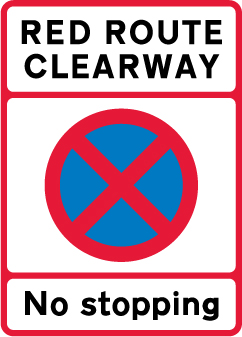
Urban clearway
Stopping limits where driving is still allowed.
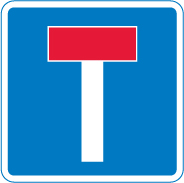
No through road
Dead-end layout; motors may enter for access.
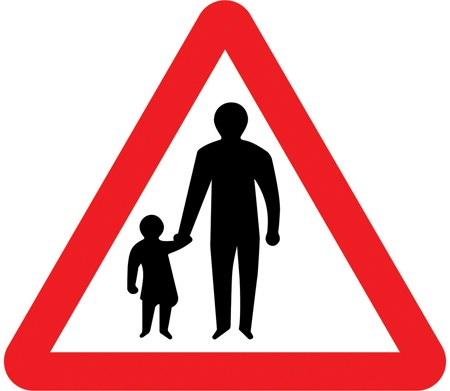
Pedestrians in road
Warning triangle where people share the carriageway.
Test Yourself on UK Road Signs
When the red ring shows car and motorcycle silhouettes, treat the mouth of the street as closed to your engine unless white plates prove otherwise. Walk the last stretch, park outside the zone, or use a lawful permit rather than gambling on a quick stop among crowds. A free mock theory test sharpens recognition before exam day.
Frequently Asked Questions
Are electric cars included in the ban?
Yes. Battery electric and hybrid cars are motor vehicles under the order. Silence at low speed does not create an exemption.
Can I drop someone at a hotel inside the zone?
Only if supplementary plates or local permits allow that access at that time. A quick stop without exemption still counts as driving a motor vehicle past the plate.
How do I know where the zone ends?
Look for an end plate, a junction without a matching circle facing your route, or signing that clearly cancels the restriction. When unsure, assume the order still applies.
Does the no motor vehicles sign ban bicycles?
Not usually. The standard pictogram targets motor traffic. A separate no-cycling or pedestrian-only plate can remove cycle access if the authority has ordered it.
What should I do if sat-nav sends me past the sign?
Obey the plate, not the screen. Stop in a safe place short of the line, replan on foot or via an outer ring road, and avoid reversing blindly into pedestrians.