
Last updated: October 2026 · Checked against Highway Code
Bus Only Sign: meaning, rules and what to do
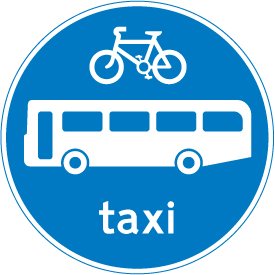
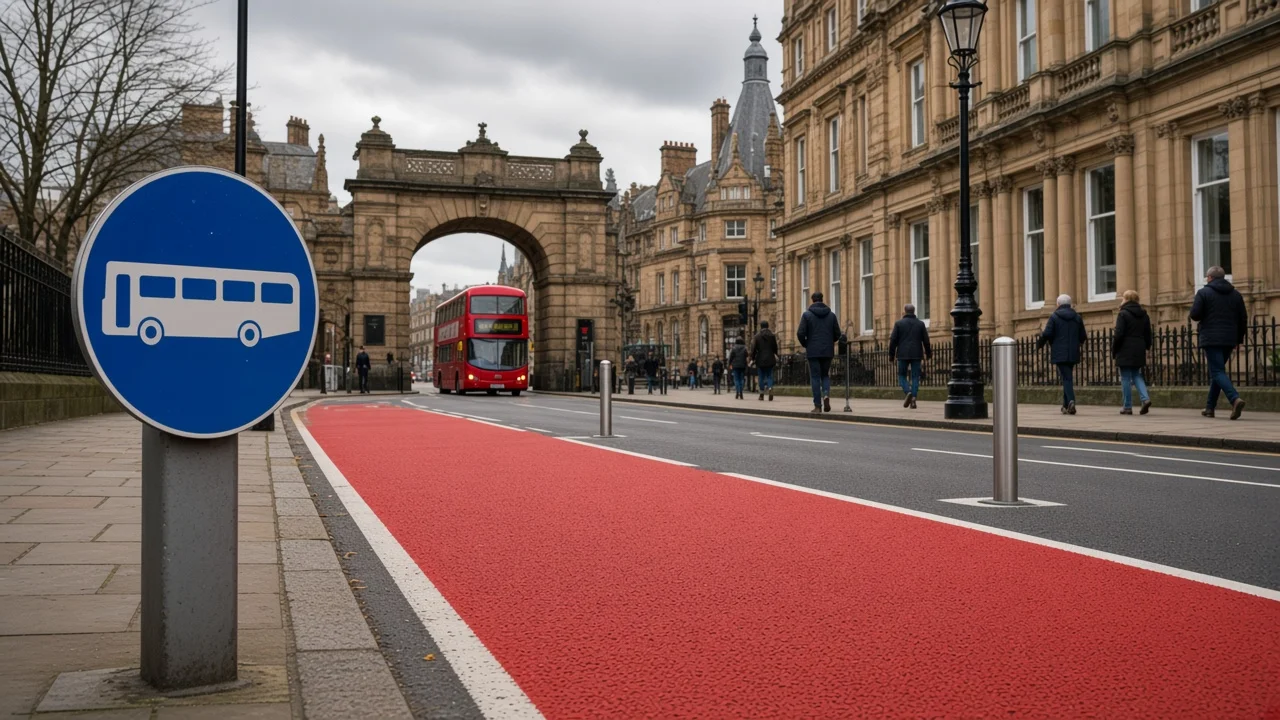
The bus only sign is a blue mandatory circle with a white bus pictogram. It marks a length of road or lane where only buses may proceed unless a white supplementary plate names other lawful users such as pedal cycles or licensed taxis.
Sign image © Crown copyright, reproduced from GOV.UK traffic sign images under the Open Government Licence v3.0.
What the Bus only Sign Looks Like
The regulatory disc is solid blue with a thin white border. A white bus silhouette sits in the centre, shown in profile with windows and wheels so it reads clearly at junction mouths. There is no red ring and no speed number; colour and pictogram tell you this is a mandatory route order for a vehicle class, not a warning triangle about buses crossing ahead.
Posts face the traffic that must obey the order, often at the start of a bus gate, the mouth of a contra-flow bus lane, or the entry to a short link that cuts through a retail block. You may see repeaters after side streets join the corridor so drivers who turn in mid-route still meet the plate.
White rectangular plates beneath the circle list exemptions: pedal cycles, taxis, hours of operation, or resident permit symbols. Those panels modify the order; they do not replace the need to read the bus pictogram first. A lane that allows cycles is still forbidden to private cars even when the nearside strip looks empty.
Learners confuse the mandatory blue bus with red-ring prohibitions that ban buses from a road. Shape grammar matters: blue circles give positive route orders to the class shown, while red circles with a bus and diagonal bar forbid that class. Information rectangles that name bus stations or park-and-ride sites guide navigation without creating a bus-only carriageway order.
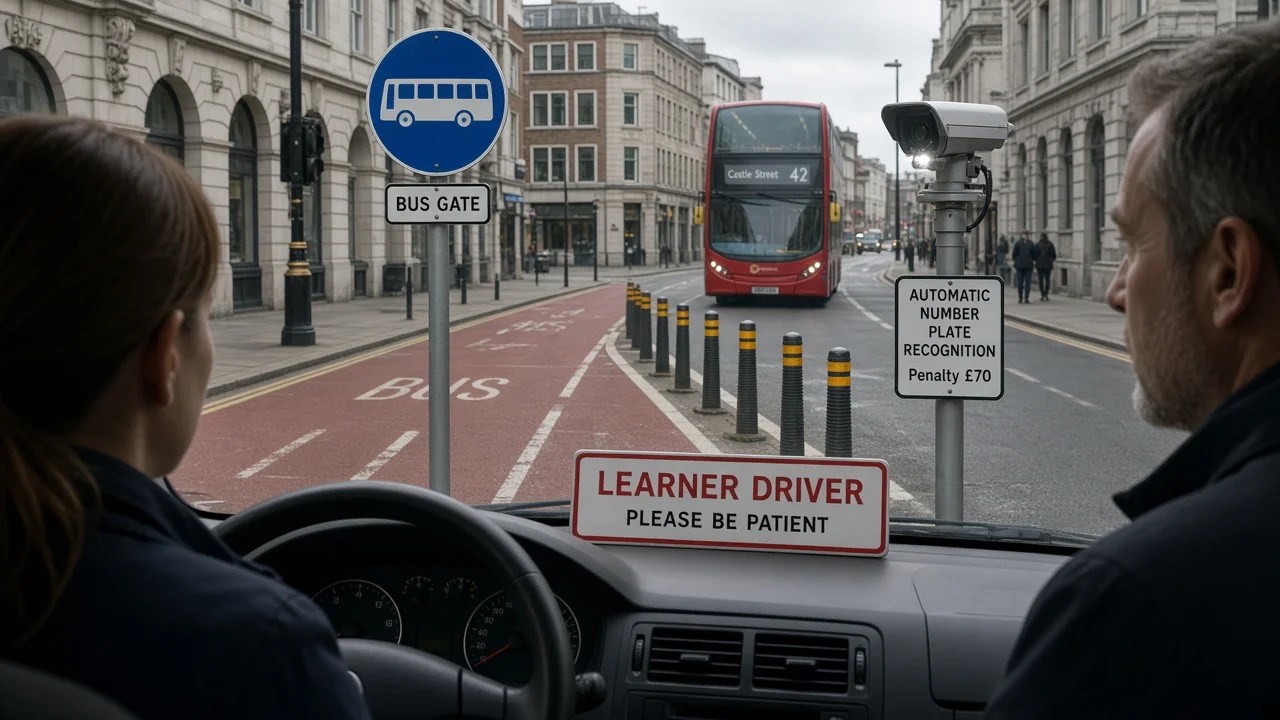
Ground markings often reinforce the plate: solid white lines, red surfacing, or BUS LANE legends painted in pale letters. Camera housings on gantries or lamp columns are common on city bus gates. Treat any matching blue bus circle at the kerb as binding even when sat-nav still shows the link as a through road.
Mandatory blue circles allocate the carriageway to a user group. Cycle-only and pedestrian-only plates use the same colour family with different pictograms. Bus lane word plates and time bands on white rectangles explain when the order runs but do not change the core meaning: the route ahead is not for general motor traffic unless your vehicle class is named on an exemption plate.
What the Bus Only Sign Means
Traffic authorities reserve short links and central corridors for buses so public transport keeps priority through congested cores. The order begins when your bonnet passes the sign facing your direction and continues along the signed length until an end plate, a break in the restriction, or a junction layout that does not repeat the circle for your approach.
Rule 141 in The Highway Code tells drivers not to drive in a bus lane when the rules shown on the signs do not permit it. Rule 142 adds that bus lanes may also be used by pedal cycles, taxis, or other vehicles shown on plates at the start of the lane. The mandatory bus circle is the roadside anchor for that duty: if you are not on the exemption list, you must not enter.
Bus gates differ from continuous bus lanes only in length and hardware. A gate might be fifty metres between bollards that lower for authorised buses while cameras record every plate. The legal line is still at the traffic sign; driving past the plate hoping the barrier will lift for a car is not a lawful excuse when enforcement is photographic.
Exemptions are never assumed. Blue-badge parking rights, electric vehicle labels, and delivery time windows apply only when the white plate or statutory order names them. A taxi with a roof sign may use some gates while a private hire car without trade plates may not, even when both pick up fare-paying passengers.
Motorcycles are usually treated as motor vehicles for bus-only orders unless a local plate explicitly allows them. Mopeds and scooters that count as motor cycles in law cannot rely on cycle exemptions painted on the nearside unless the supplementary signing says so.
Pedal cycles may share the route when a cycle symbol appears on the plate or when local orders combine classes. Drivers must still give cyclists room if they lawfully enter from a side arm; the bus order does not invite cars to follow riders through the gate.
Night operation follows the same plates. Bus headlights in an empty lane do not mean private cars may trail behind. Some gates run twenty-four hours; others switch off when white time plates show an end to the restriction. Read the post in both directions before you commit to a turn that looks like a shortcut.
End plates copy mandatory grammar with a diagonal bar across the bus pictogram or an END legend on white. Until you pass that cancellation, reversing out after a mistake still counts as use of the route while forbidden, which cameras may already have logged.
Before you turn off a high street, scan both kerbs for the blue bus circle. If your sat-nav routes through a bus gate, override it and use the ring road or signed delivery bay rather than gambling on a quiet afternoon.
When you supervise learner Greta in a cathedral city, build a habit of naming bus plates at each junction mouth. Examiners reward early lane choice more than a late swerve across solid white lines after the bonnet has crossed the sign.
Delivery drivers should confirm access windows with the venue before wheels roll past the plate. Except for access rarely means open driving along the whole bus link; it usually limits property access at walking pace during stated hours.
If you must reverse after a wrong turn, choose a moment when buses and cyclists are not boxed in behind you. Hazard lights and an open window help people hear you inching back before a camera capture becomes a penalty charge notice.
Park-and-ride sites use separate bus roads with their own plates. Do not follow a bus simply because it turned into a marked mouth unless your vehicle class is exempt.
Winter diversions sometimes shift gate lines with cones. Read the current plate position rather than last year’s mental map, especially when Christmas markets add temporary stands beside the bollards.
Out-of-town retail parks occasionally paint bus-only links between car parks. Treat them like city gates: a quick cut-through to another row of shops still triggers ANPR if the order is live.
When buses queue at a gate, resist squeezing past on the offside into oncoming traffic. Waiting in the lawful lane behind the last bus is slower but avoids a serious fault on test and keeps you out of camera view.
Highway Code rules 141 and 142 (bus lanes and permitted users)
Bus only vs Similar Signs
| Sign | Meaning | Legal or warning? |
|---|---|---|
| Bus only | Route or lane reserved for buses unless plates add users | Regulatory blue circle |
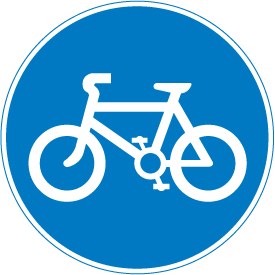 Cycle only | Mandatory route for pedal cycles | Regulatory blue circle |
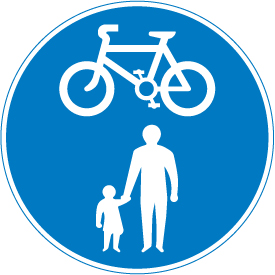 Pedestrian only | Mandatory route for pedestrians | Regulatory blue circle |
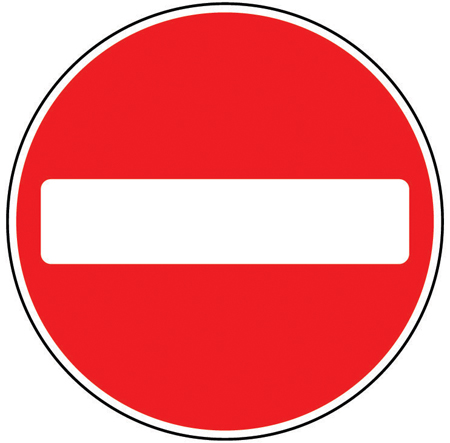 No entry | Wrong way into a one-way length | Regulatory white bar |
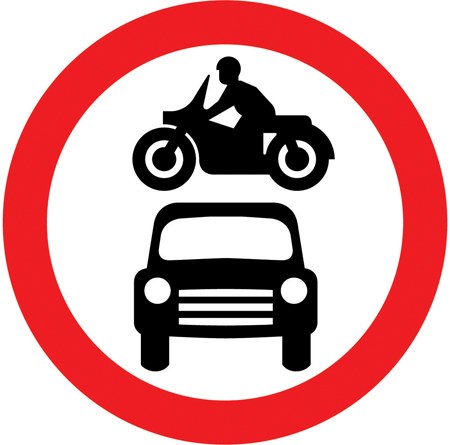 No motor vehicles | Engines forbidden; walkers and cycles may continue | Regulatory red circle |
Rules and Penalties
Bus lane and bus gate contraventions are usually enforced by penalty charge notices under civil traffic orders, with amounts set by the local authority and London red-route rules where applicable. Points are uncommon for a straightforward lane entry, but the fine still hurts on a learner budget.
ANPR cameras at bus gates capture the plate as your vehicle crosses the detection line, often before you see the bollard rise for a following bus. Notices arrive by post with photographs and timestamps. Appeals need evidence of misread plates, cancelled orders, or lawful exemption, not merely that traffic was light.
Police may stop drivers who endanger bus passengers by forcing through a gate against a closing bollard or by reversing blindly among pedestrians. That behaviour can attract attention beyond a standard bus lane charge.
Insurance disputes after bumps in bus-only links often turn on whether the car was lawfully present. Dashcam footage showing the blue mandatory plate strengthens enforcement against drivers who treated the gate as a shortcut.
Driving examiners treat illegal bus gate entry as a serious fault when it forces a bus to brake or when you cross solid white lines to escape. Greta’s instructor drills the plate before any city-centre module for that reason.
Repeat contraventions within twelve months can attract higher tariffs under some council schemes. Fleet drivers should brief new staff on each city’s gate map rather than assuming one exemption plate in Manchester matches Leeds wording.
Check the latest theory test pass mark and book when you are ready via our booking guide.
Bus only in Practice
Greta is on a late-afternoon lesson in Leeds city centre. Her instructor asks her to follow signs for the bus station, not the sat-nav arrow that threads through a stone arch labelled as a bus link on the map.
At the mouth of the arch she spots the blue mandatory circle with the white bus. A white plate beneath adds pedal cycles and licensed taxis until 7 pm. Greta checks the clock, confirms her Ford Fiesta is not exempt, and signals left to stay on the outer ring road while a double-decker rolls through the gate unhindered.
The car ahead ignores the plate and dips into the bus-only throat. Greta hangs back. Seconds later a flash from a slim camera housing on the lamp column records the other driver’s plate as the rear wheels cross the line. The bollards stay raised; the intruding car reverses awkwardly among shoppers.
Greta’s instructor explains that the notice will likely arrive by post within two weeks, with photos showing the blue bus circle in the background. Had Greta followed the tail lights out of habit, she would share the same penalty and would almost certainly fail the practical test for entering a mandatory bus route.
That evening Greta opens a mock theory question showing the same JPEG. She picks “Route for buses only” instead of “Bus stop ahead” or “No buses,” and links the image to camera-enforced gates she has now seen in traffic.
How This Sign Appears on the Theory Test
Picture items show the white bus on blue and ask who may use the road. Choose the option that reserves the route for buses unless the stem mentions cycle or taxi plates. Reject answers that describe bus stops, park-and-ride for all vehicles, or no buses allowed.
Scenario questions describe a car following a bus through a city gate. The safe and lawful pattern is to stay out unless your vehicle class appears on the exemption plate and the time band is active.
Distractors swap in tramway warning triangles or red-ring bus prohibitions. Read shape first: solid blue mandatory circle equals route order for the pictogram class, not a hazard warning about buses crossing.
When a question lists two plates on one post, read the white rectangle before you tap. Cycles permitted does not mean cars permitted on the nearside when the lane is still signed bus-only for motor traffic.
Filter revision on regulatory circles alongside bus lane chapters in The Highway Code. Examiners assume you know that camera enforcement is common even when the stem does not mention fines.
Take a free mock theory test and filter questions on road and traffic signs. Pair that with the warning signs guide for triangle symbols.
Related Road Signs
No entry
Wrong-way ban, not a class route order.
No motor vehicles
Engines out; opposite logic to bus-only entry.
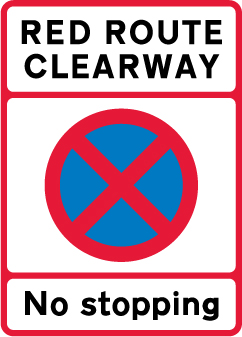
Urban clearway
Stopping ban on corridors that may include bus lanes.
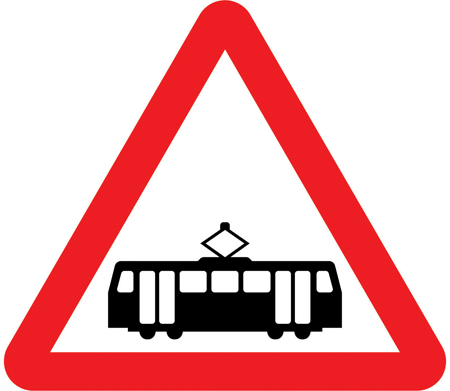
Tramway ahead
Warning triangle, not a blue mandatory bus route.
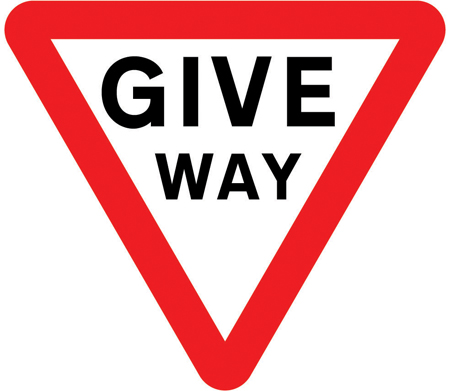
Give way sign
Priority at junctions before bus gate mouths.
Test Yourself on UK Road Signs
When the white bus sits on blue, treat the link as buses first unless plates name your vehicle. Practise on a free mock theory test and plan city routes before you drive so bus gates never feel like a surprise camera trap.
Frequently Asked Questions
What does the bus only mandatory plate mean for car drivers?
It marks a route or lane where only buses may proceed unless white supplementary plates list other lawful users such as cycles or taxis. Private cars must not enter while the order applies.
Can I follow a bus through a bus gate?
No. A bus ahead does not exempt your car. The mandatory circle applies to your vehicle class unless you match a named exemption on the plate and the time band is active.
How are bus gates enforced?
Many gates use ANPR cameras that record number plates as vehicles cross the line, plus rising bollards that open for authorised buses. Penalty charge notices are usually posted to the registered keeper with photographs.
Are cycles allowed on a bus-only route?
Only when a cycle symbol or wording on the white plate permits them. The blue bus circle alone does not invite cars to share the lane just because cyclists may use it.
How is this different from a no buses sign?
A red-ring circle with a bus and diagonal bar forbids buses. The blue mandatory bus reserves the route for buses and excludes general motor traffic unless exempted.