
Last updated: October 2026 · Checked against Highway Code
Wild Animals Sign: meaning, rules and what to do
The red-bordered triangle with a black quadruped silhouette is the countryside’s way of saying something faster than you might expect could appear between the hedges. It does not post a speed limit, but it tells you to treat the next stretch as shared habitat, not an empty runway, especially when light is thin and instinct beats caution.
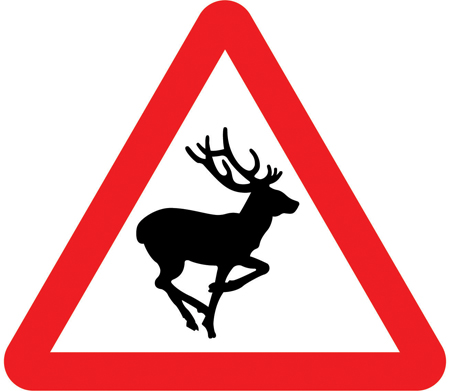
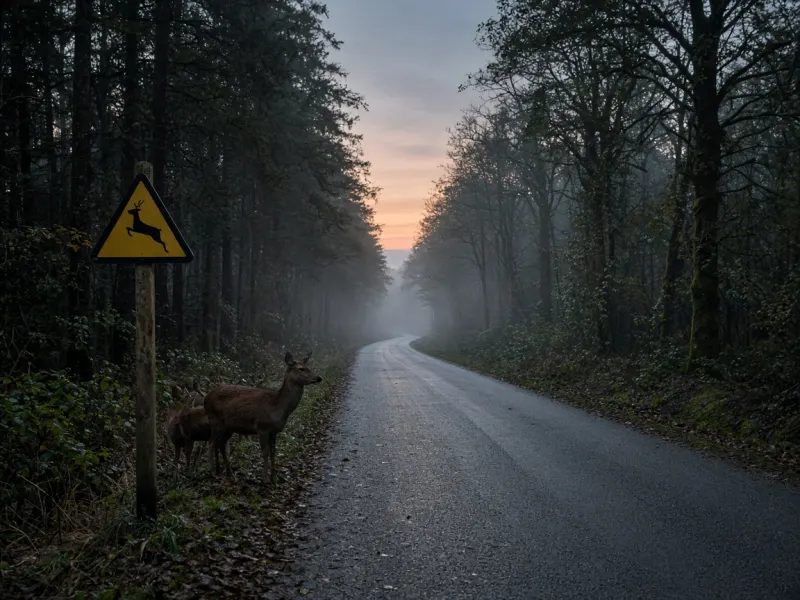
Sign image © Crown copyright, reproduced from GOV.UK traffic sign images under the Open Government Licence v3.0.
What the Wild animals Sign Looks Like
On GOV.UK artwork the plate is a standard UK warning triangle: thick red border, white centre, and a black silhouette of a four-legged animal in profile. The creature is deliberately generic so one symbol can cover deer, foxes, and similar wildlife without listing every species on a separate post.
Unlike blue circular signs that order a manoeuvre, or red circles that prohibit one, this shape only advises. It does not quote a numeric limit or ban overtaking. Highway authorities mount it on forest edges, moorland approaches, parkland drives, and new woodland corridors where ecology surveys show repeated animal movement across the tyre line.
Learners sometimes confuse it with cattle or sheep triangles, which show unmistakable farm stock, or with the migratory toad crossing plate, which features a hopping amphibian. The wild animals graphic is a mid-sized mammal shape. If you see udders or a woolly blob, you are looking at livestock warnings instead.
Pairs of signs sometimes bracket a short hotspot, especially near deer leaps on dual carriageways or at gaps in fencing after new housing. Temporary amber flashers may appear during rutting season in some counties, but the static triangle remains the year-round reminder for drivers who only visit in summer sunshine.
At night the retroreflective face catches headlamps before you can pick out eyes in the beam. That flash of red border is your cue to lift off the throttle even when the national speed limit still applies on the open road beyond the trees.
Cattle and sheep plates name managed livestock on open hillsides and farm tracks. Horse rider warnings cover equestrian traffic. The migratory toad crossing sign targets mapped amphibian routes. The wild animals triangle is the catch-all for unmanaged wildlife, especially deer, where strikes are common enough that engineers want a permanent nudge before the verge opens.
What the Wild Animals Sign Means
Deer cause thousands of vehicle collisions in Britain each year, and the wild animals sign marks stretches where leaps from woodland or parkland onto the carriageway are frequent. Roe and fallow deer are the usual suspects in southern England; red deer dominate Scottish glens and parts of the Lake District. Muntjac add surprise in suburban fringes because they are small, shy, and fond of garden shrubs beside fast A-roads.
Movement peaks at dawn and dusk when drivers’ vision is poorest and animals commute between feeding and cover. Rutting season in autumn adds reckless sprinting as stags chase rivals without checking for number plates. A calm Tuesday evening in October can be busier for hooves than a midsummer afternoon because biology ignores your commute calendar.
The Highway Code treats animals on the road as live hazards. Rule 214 tells you to slow down or stop if necessary, let animals pass, and avoid behaviour that startles them. Rule 215 extends the same care to horses and livestock; the attitude transfers directly to deer. Swerving violently for a sudden shape and meeting an oncoming van is worse than a controlled stop when the road behind is clear.
Dipped headlights matter more than bravado. Full beam can dazzle oncoming drivers and freeze an animal in the centre line like a statue. Scanning high and low helps: eye shine appears as two green or amber points, but a dark flank without reflection still occupies space your bumper was planning to use.
Foxes and badgers use the same gaps at night. They are lighter than deer but still damage panels and unsettle steering if you strike at speed. Urban fringe signs near nature reserves remind commuters that the city edge is not wildlife-free just because street lights begin.
The sign does not create a separate speed limit. Police enforce limits already posted, and driving without reasonable consideration for other road users remains the realistic legal hook if you blast through a known deer forest at a speed that made stopping impossible. Insurance assessors treat wildlife strikes as single-vehicle incidents unless another party was involved.
Motorways and dual carriageways with deer fencing still see breaches where gaps, slips, or new planting funnel animals toward gaps. A triangle on the approach warns that fencing is imperfect, not that deer have signed a treaty to stay in the trees.
You meet this plate on New Forest drives, Scottish A9 approaches through pine, Ashdown Forest edges, and Welsh valley roads where forestry commission planting meets open hill. Exmoor and the Quantocks repeat the symbol where ponies share habitat with deer, though ponies often earn their own plates when herds are managed differently.
Driving instructors on rural test routes near Cannock Chase or the South Downs coach candidates to name the hazard aloud and shave speed before the tree tunnel. Examiners watch for late braking that locks wheels on wet leaves, not for heroic swerves that cross the centre line.
Fleet drivers covering night shifts learn to treat the triangle like a soft speed cap: not a number on a roundel, but a reason to hold a gap that allows two seconds of braking if a hind quarter appears at the apex of a dip.
Cyclists and motorcyclists face equal risk with less protection. A deer strike at thirty miles per hour can end a bike journey in hospital. Upright posture and wide peripheral scanning help, but nothing replaces slowing before the signed woodland mouth.
After high winds, fallen branches narrow effective lane width and push animals onto the tarmac they usually skirt. Combine the wild animals memory with verge debris checks until council crews clear the mess.
If you live locally, report fresh carcass patterns to the highways team. Repeated strikes in one week justify extra signage or temporary warnings during rut. Data beats guesswork when budgets argue about every post.
Sat navs rarely mention deer. When the red triangle appears, trust the plate over the spoken arrival time, especially on unfamiliar holiday routes through national parks.
Wild animals vs Similar Signs
| Sign | Meaning | Legal or warning? |
|---|---|---|
| Wild animals | Deer or other wildlife may step onto the carriageway | Warning triangle |
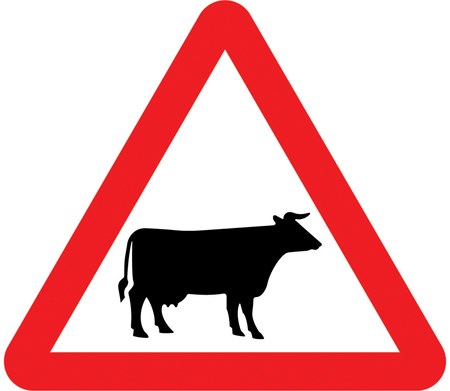 Cattle | Cattle may be on the road; wait if a herd blocks you | Warning triangle |
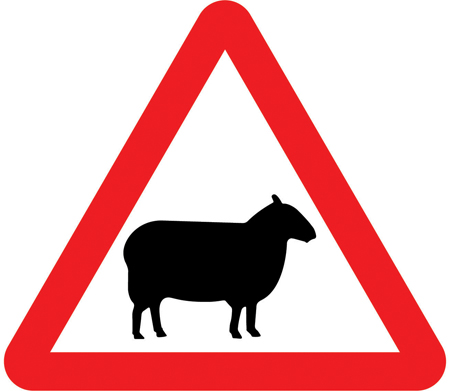 Sheep | Sheep may wander on rural routes; drive slowly | Warning triangle |
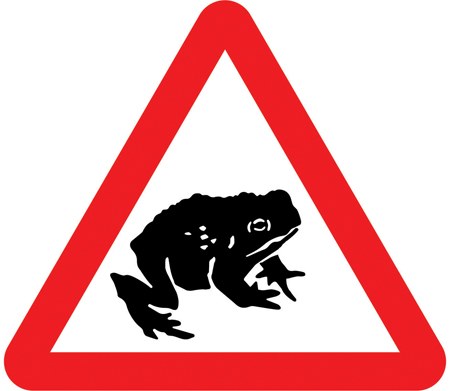 Migratory toad crossing | Amphibians may cross in season, often at night | Warning triangle |
Rules and Penalties
There is no fixed penalty titled “failure to honour wildlife triangle.” The plate is advisory. Speeding past a separate limit sign still attracts standard penalties. Causing danger by driving so fast you cannot stop for a visible animal, or leaving the scene after a strike that injured a passenger, opens careless or dangerous driving routes courts already use.
Wildlife collisions are tragedies, not ticket factories. You will not collect points solely for hitting a fox, but damaging a third-party vehicle while swerving can still produce endorsements and civil claims. Smooth braking beats dramatic geometry every time.
Driving tests mark serious faults for approaching signed animal areas too quickly, sounding the horn at deer, or coasting in neutral down a wooded hill. Examiners want early speed reduction and calm steering, not last-second heroics.
Theory questions test attitude: reduce speed, be ready to stop, avoid dazzling animals with full beam. They rarely ask for obscure fine amounts. Learn the behaviour the triangle implies and you will pass the picture items without memorising folklore.
Check the latest theory test pass mark and book when you are ready via our booking guide.
Wild animals in Practice
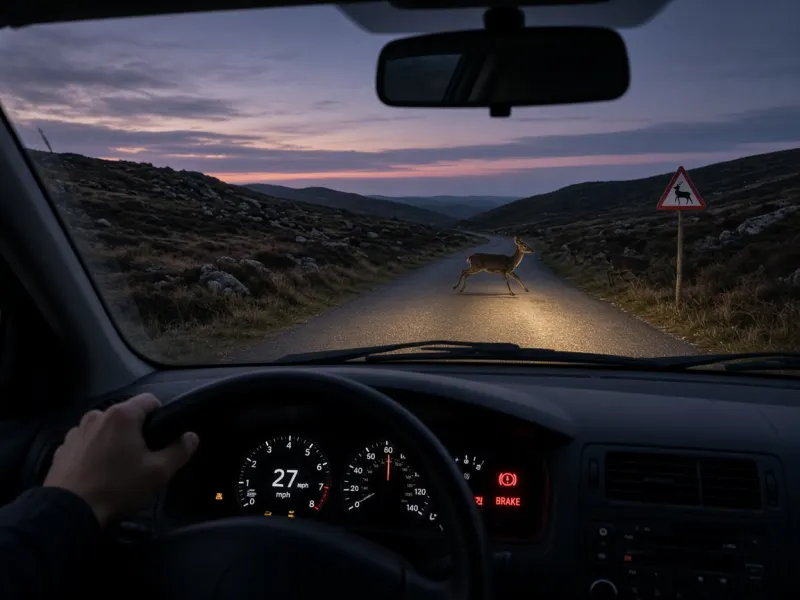
On an October dusk near the New Forest, Marcus drives home along a B-road he usually treats as a straight forty-mile-per-hour habit. A wild animals triangle catches his dipped beam, then two small green reflections hover at the verge where bracken ends.
Marcus checks his mirror, eases to twenty-five miles per hour, and covers the brake without riding it. A roe deer steps fully into the lane ten metres ahead; he stops with room to spare while a hatchback behind also slows without horn abuse.
The deer bolts back into cover. Marcus creeps forward, scans for a second follower crossing behind the first, and keeps dipped beam until open heath returns. Had he stayed at summer speed, the strike would have been likely, the bonnet expensive, and his no-claims history unhappy.
On his theory test a week later, the same silhouette appears among four options. He picks the answer about deer and wildlife crossing, not farm traffic only, because the black quadruped on a triangle is the generic wild mammal warning he met in real light.
How This Sign Appears on the Theory Test
Multiple-choice banks show the quadruped triangle and ask what hazard to expect. The correct pattern is deer or wild animals may run onto the road, especially at dawn and dusk, not farm traffic only or a zoo ahead.
Picture questions may swap cattle for the generic animal to check whether you read the silhouette. Udders mean livestock; a plain deer-like shape means wild mammals.
Hazard perception clips on dark rural roads reward early slowing when movement appears near the verge. Late stomps after the shape became a thump score poorly because the window for safe reaction closed.
Filter revision on road and traffic signs, then reread Highway Code animal rules. Reject answers that tell you to flash headlights to scare wildlife away. Favour calm speed reduction and readiness to stop.
When two animal signs appear in one question, match species to symbol before choosing behaviour. Toad plates and deer plates share triangle grammar but different ecology and seasons.
Take a free mock theory test and filter questions on road and traffic signs. Pair that with the warning signs guide for triangle symbols.
Related Road Signs
Migratory toad crossing
Seasonal amphibian crossings on damp spring nights.
Two-way traffic
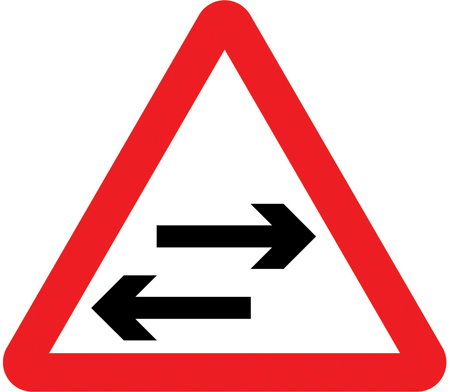
Narrow forest lanes where oncoming traffic shares one width.
National speed limit
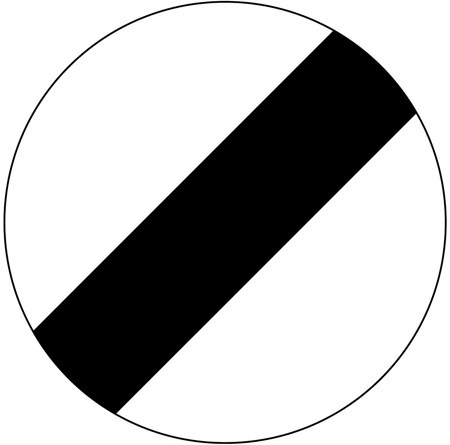
Open limits still demand safe speed where deer may appear.
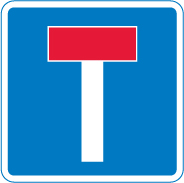
No through road
Dead ends that deer still use as shortcuts between cover.
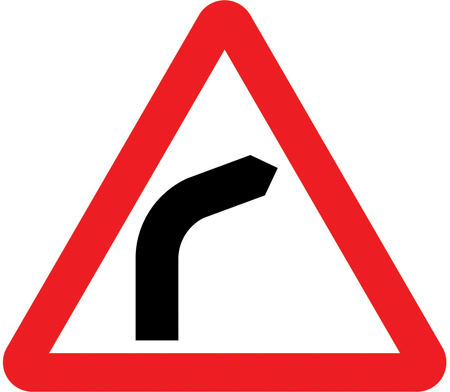
Bend right
Blind curves through woodland hide animals until the last second.
Test Yourself on UK Road Signs
Treat the wild animals sign as fair warning that the road cuts through someone else’s living room. At dawn, dusk, and through autumn rut, dip your lights, shed speed before the trees swallow the horizon, and drive as if a hoof or paw could appear in your lane without a timetable. A free mock theory test helps you lock in how warning triangles behave when exams swap cattle for deer artwork.
Frequently Asked Questions
What does the wild animals sign mean in the UK?
It warns that deer or other wild mammals may run onto the road ahead. Slow down, stay alert at dawn and dusk, and be ready to stop safely without swerving into oncoming traffic.
Does the wild animals sign set a speed limit?
No. It is a warning triangle only. You must still obey posted limits and drive at a speed that lets you stop within the distance you can see to be clear.
When are deer most likely on the road?
Peaks are often dawn and dusk, with extra movement during the autumn rut. Any signed stretch can produce surprises after high winds or when fencing is damaged.
How is this different from the cattle or sheep sign?
Cattle and sheep plates show farm animals that may be herded on open roads. The wild animals triangle is generic wildlife, especially deer, in unmanaged habitat.
Will I get penalty points for hitting a deer?
There is no specific points tariff for wildlife collisions. You can still face careless driving allegations if your speed and attention were clearly unsuitable for the hazard the sign marked.