
Last updated: October 2026 · Checked against Highway Code
Congestion Charging Zone Sign: meaning, rules and what to do
The congestion charge sign is a white information plate with a red circle containing a white letter C and the words congestion charging zone. It marks where the London Congestion Charge area begins for drivers who must pay to continue during charging hours unless a lawful exemption applies.

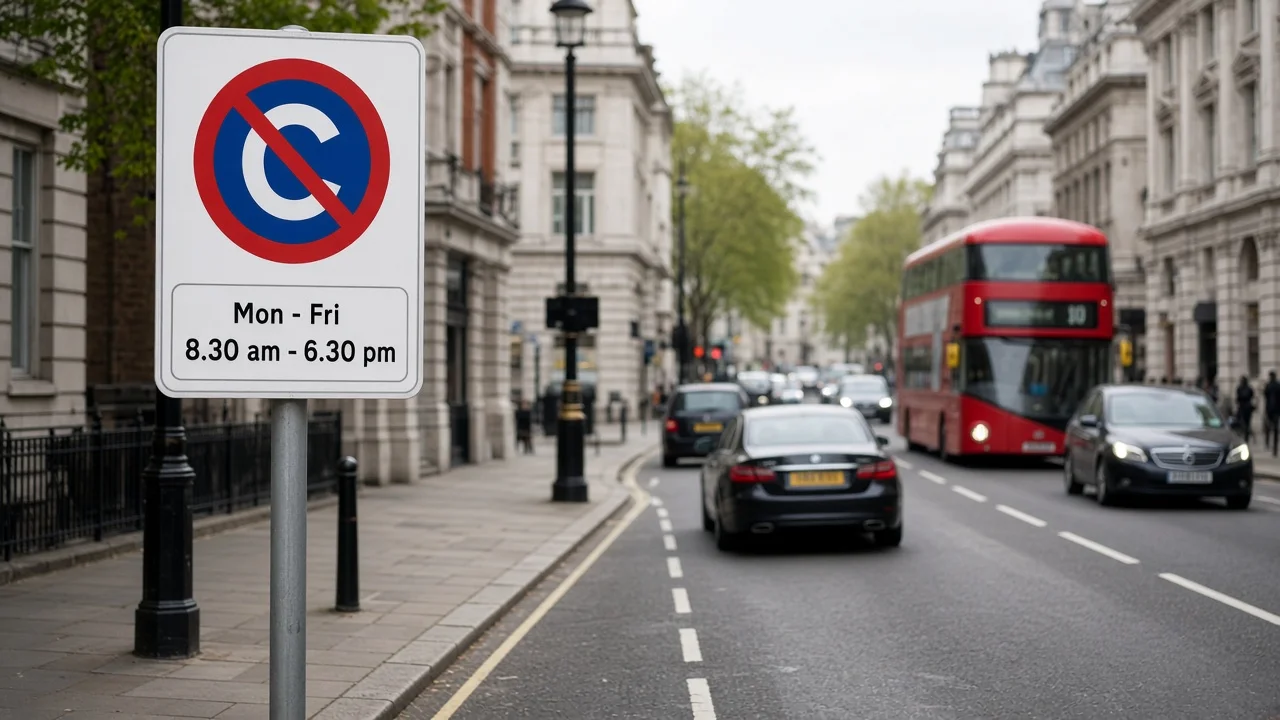
Sign image © Crown copyright, reproduced from GOV.UK traffic sign images under the Open Government Licence v3.0.
What the Congestion charging zone Sign Looks Like
The standard plate is a vertical white rectangle with a thick black border. At the top sits a red disc with a white capital C in the centre, the symbol TfL uses for the Congestion Charge brand. Beneath the disc, black sans-serif text reads congestion charging zone in two lines on most GOV.UK artwork revisions.
Entry assemblies often stand on both sides of a carriageway so drivers approaching from either direction see the boundary. You may also meet smaller repeater plates after major junctions inside the zone reminding you that charging rules still apply even when the street name changes.
Learners confuse this information plate with Ultra Low Emission Zone signs, which use different colours and wording about exhaust standards rather than a daily road-user charge. The red C plate is about paying to drive inside the Congestion Charge area, not about whether your vehicle meets emissions limits, although both schemes can overlap geographically in central London.
Sat-nav apps sometimes draw a shaded polygon without showing the exact post position. On lessons, treat the physical plate as the legal cue that your wheels are entering a charged area. A side street can cross the line between one junction and the next, so read kerb signs after every turn rather than assuming the main road boundary matches your map overlay.
Night visibility relies on retroreflective white faces and the bright red disc. Rain and grime can hide the lower wording while the C symbol still reads clearly. Slow enough to read the full plate before you commit to a filter lane that dives into the zone.
Information rectangles explain services, charges and zones. They do not use red prohibition rings or blue mandatory circles. Compare the red C entry plate with clearway crosses, red-route legends and emissions zone signs on the same post stack before you decide whether the issue is payment, stopping, or exhaust compliance.
What the Congestion Charging Zone Sign Means
Transport for London marks the Congestion Charge area boundary so drivers know when the daily charge applies. The order is tied to the geographic zone defined in the charging scheme, not to a speed limit or parking ban. Driving past the plate with a chargeable vehicle on a charged day creates a payment duty even if you only travel a few hundred metres to a car park.
Charging hours and the daily fee change by government decision; check TfL published tariffs before you rely on memory from an old revision app. Weekends and bank holidays sometimes differ from weekday windows. The sign remains at the boundary all year; the clock and your vehicle registration determine whether money is due.
Payment channels include Auto Pay linked to your number plate, online same-day payment, and other TfL listed methods. Paying does not replace other restrictions. Red routes, bus lanes, residents bays and loading bans still apply after you settle the Congestion Charge.
Exemptions and discounts cover some NHS shifts, disabled tax classes, certain zero-emission treatments and residents who register with TfL. None of those waivers work automatically until the plate is on your account. The entry sign does not list every discount; it simply tells you that the zone starts here.
The boundary follows real streets, so a legal turn off the main road before the post keeps you outside for that trip. U-turning after you cross still counts as entry if your wheels entered the zone on a charged day. Motorcycles and most cars pay unless exempt; different vehicle classes face different rates when rules change.
Northern Ireland does not use this London plate. If you learned signs in Belfast, still recognise the red C when you drive or sit a GB theory test that references capital charging schemes. Other UK cities may use separate clean-air or toll signs with different artwork.
The plate does not forbid entry. Unlike no entry or weight limits, it informs you of a charge. Police will not stop you solely for crossing the line, but enforcement cameras record number plates and TfL pursues unpaid charges with penalty notices.
Fleet drivers should brief new staff on which depot routes clip the zone. A five-minute shortcut past the plate on a Monday morning can trigger daily charges for every vehicle in a small van fleet if Auto Pay is missing.
Central London lessons with Rosa often cross the boundary on Embankment, Euston Road or the inner ring. Instructors pause before the post to confirm whether the lesson fee includes Congestion Charge or whether the pupil must pay for test-day routes.
Hospital and theatre appointments tempt drivers to enter without planning payment. Book Auto Pay before you leave home if your sat-nav threads through zone streets even when the destination postcode looks outside the shaded map.
Hotel drop-offs inside the zone still create a charge for the vehicle that crosses the plate, not for passengers who arrive by taxi separately. Wedding cars and hire fleets need a payment plan before the first guest pickup.
Electric cars may qualify for cleaner-vehicle discounts but still need registration. Never assume silence at the traffic lights means the trip was free.
If you miss a payment deadline, TfL escalates to penalty charge notices with higher amounts than the original daily fee. Appeals need evidence such as broken payment pages or plate misreads, not general frustration with city tolls.
Driving examiners may route through charged streets when the test centre sits inside the zone. The test is not a exemption. Confirm payment or exemption before you collect the car for a Wembley or Hendon slot that crosses inner London.
Highway Code rules 142 to 144 (bus lanes and urban traffic) plus TfL Congestion Charge guidance
Congestion charging zone vs Similar Signs
| Sign | Meaning | Legal or warning? |
|---|---|---|
| Congestion charging zone | London Congestion Charge area begins; pay if due | Information plate |
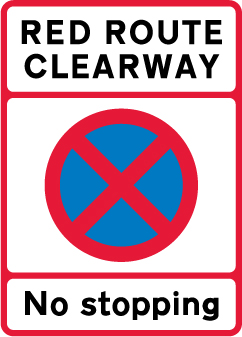 Clearway | No stopping during times on plates | Regulatory cross plate |
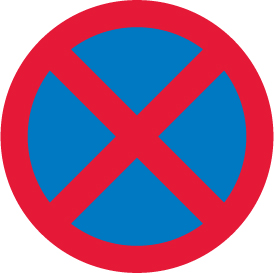 No stopping | No halt at any time on that length | Regulatory double bar |
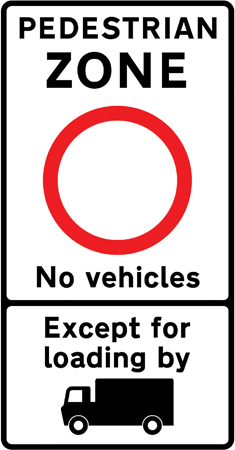 Pedestrian zone | Entry rules for walkers and motors in a zone | Zone entry plate |
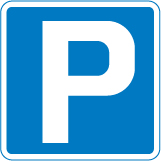 Parking | Bay or area where waiting rules differ | On-street parking plate |
Rules and Penalties
Failing to pay the Congestion Charge by the published deadline leads to a penalty charge notice from TfL, typically far above the original daily price. Cameras at zone entry and within the area match your registration to payment records.
Deliberately hiding a plate or using mismatched number plates to dodge detection can attract separate fraud investigations beyond a standard PCN. Keep registration documents aligned with the vehicle you drive through the zone.
Blocking a yellow box or bus lane while queuing to read an entry sign still risks traffic penalties unrelated to the charge. Read ahead on approach so you do not stop across a junction mouth.
Theory tests may show the red C plate beside questions about urban driving costs. Choose answers that describe paying to enter a charged area, not answers about emissions zones or parking bays unless the stem mentions them explicitly.
Business users who reclaim mileage should log whether each trip crossed the plate on a charged day. Expense forms need the Congestion Charge receipt as well as fuel.
Check the latest theory test pass mark and book when you are ready via our booking guide.
Congestion charging zone in Practice
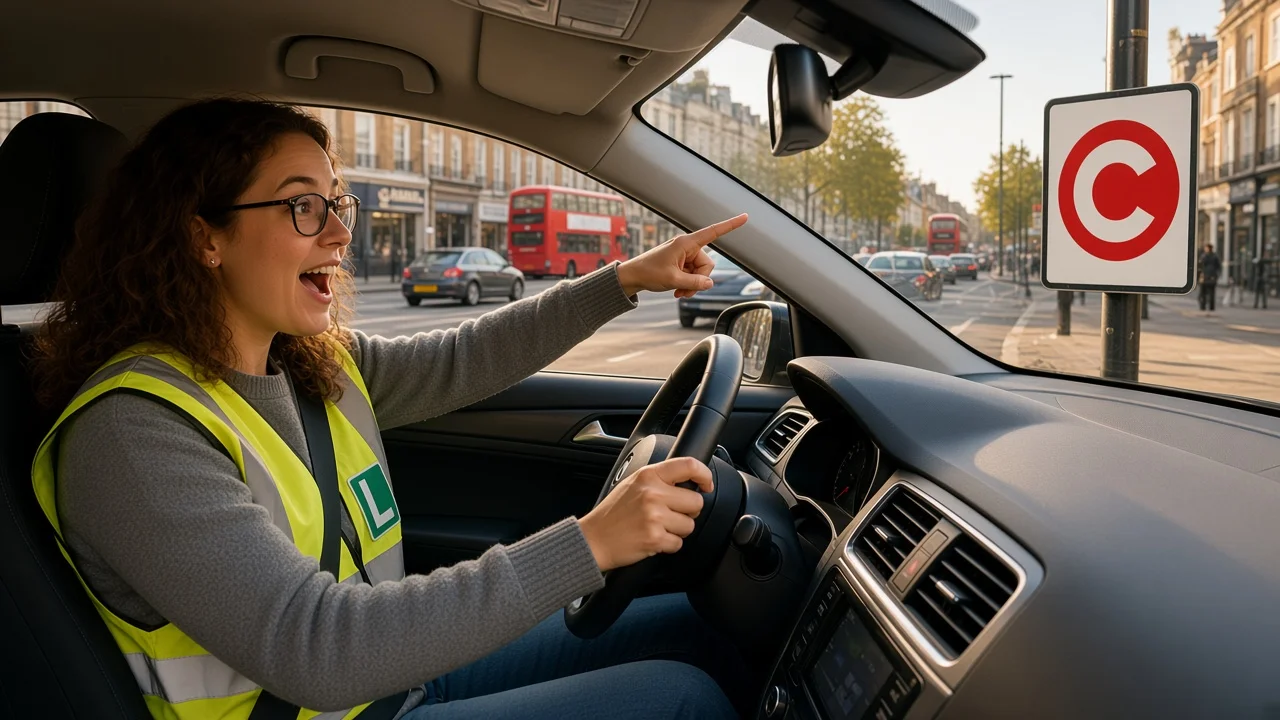
Rosa is on a mid-morning lesson in north London with her instructor. They plan to visit a test centre near Tottenham Court Road, which means crossing the inner ring into the Congestion Charge area. On Euston Road she sees the white entry plate with the red C and the congestion charging zone legend on the nearside post.
Her instructor asks her to name the plate before they pass it. Rosa says it marks the start of the zone where the daily charge applies on weekdays. She checks that Auto Pay is active on the school car and that charging hours include the current time on a Tuesday.
They could have turned left onto a parallel route that stays outside the boundary, adding five minutes but avoiding the fee for a practice loop that does not need central streets. Because the test route requires zone streets, they proceed, but Rosa notes the plate location for future planning.
After the lesson she opens a mock theory item showing the same GOV.UK JPEG. She rejects answers about low emission zones and picks the option that drivers must pay the Congestion Charge when entering during charged hours unless exempt. She scores the item in under ten seconds, which helps her hit forty-three correct answers within fifty-seven minutes on exam day.
Two weeks later Rosa drives the same entry alone in her own car without Auto Pay. She pays online the same evening after her instructor reminds her that the entry sign warned her at the boundary, not at the test centre door. A friend who ignored the plate receives a penalty notice two weeks later for the identical crossing.
How This Sign Appears on the Theory Test
Picture questions display the red C on white and ask what drivers should do before continuing. Link the image to London Congestion Charge payment, not to generic toll bridges or parking discs.
Scenario stems describe a commuter crossing the plate at 8:30 am on a Monday. The lawful pattern is pay or hold a valid exemption before the charging deadline, not simply switch off the sat-nav alert.
Distractors swap in ULEZ badges, congestion on motorways, and urban clearway crosses. Read the symbol first: white information rectangle with red C equals zone entry charge, not a stopping ban.
When revising, pair this plate with TfL payment rules on gov.uk and with waiting restriction signs you already know from clearway and no waiting circles. Mixed urban questions are common in car banks.
Hazard perception clips rarely zoom on the plate, but they may show queueing traffic near zone boundaries. Predict frustration braking as drivers hesitate at the post.
Take a free mock theory test and filter questions on road and traffic signs. Pair that with the warning signs guide for triangle symbols.
Related Road Signs
Urban clearway
Timed no stopping on busy streets inside towns.
Clearway sign
Same cross symbol; often paired with yellow lines.
No stopping
Absolute halt ban, separate from charging payment.
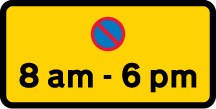
Waiting restrictions
Yellow line and no waiting plates in cities.
No waiting
Parking ban that can apply inside the zone too.
Test Yourself on UK Road Signs
Treat the red C entry plate as your cue to confirm Congestion Charge payment or exemption before you drive deeper into central London. Pair this revision with our urban clearway guide and a free mock theory test so zone entry, waiting bans and payment duties stay separate under exam pressure.
Frequently Asked Questions
Does the congestion charging zone sign mean I cannot enter?
No. It is an information plate, not a prohibition. You may enter if you pay the charge or qualify for an exemption registered with TfL. Other signs may still restrict turns or vehicle classes.
Is the Congestion Charge the same as ULEZ?
No. The red C plate marks the Congestion Charge boundary for the daily road-user fee. ULEZ uses different signing about exhaust standards. Both schemes can apply to the same trip in central London.
When must I pay after I pass the sign?
Follow the current TfL payment window for the day you enter. Auto Pay covers registered plates automatically. Manual payments must meet published deadlines or a penalty charge notice may follow.
Do motorcycles pay the Congestion Charge?
Rules change with TfL tariffs. Check the live vehicle list before you ride past the entry plate. Never assume two wheels are exempt because a car paid yesterday.
Will this sign appear on my car theory test?
DVSA banks include information plates about charging zones, especially London entry signs. Learn the red C symbol and link it to paying before you continue, not to emissions badges or clearway crosses.