
Last updated: October 2026 · Checked against Highway Code
Tunnel Ahead Sign: meaning, rules and what to do
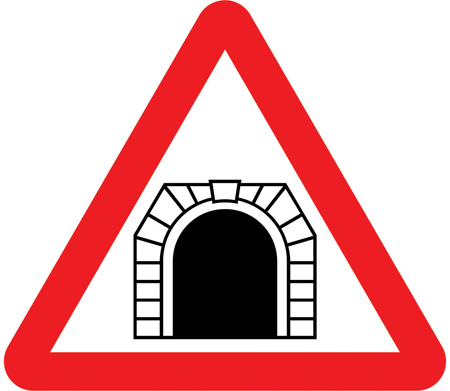
The tunnel ahead warning is a red-bordered triangle with a black pictogram of a tunnel mouth and headlamp beams, telling you enclosed road lies ahead so you should slow, switch on dipped headlights, take off sunglasses, and be ready for sudden glare or stationary traffic.
Sign image © Crown copyright, reproduced from GOV.UK traffic sign images under the Open Government Licence v3.0.
What the Tunnel ahead Sign Looks Like
The official GOV.UK plate follows UK warning grammar: upright red triangle, white field, black symbol. The graphic shows a semicircular tunnel entrance with short rays suggesting headlamps meeting the darker bore. There are no height figures, speed rings, or blue circles inside the frame.
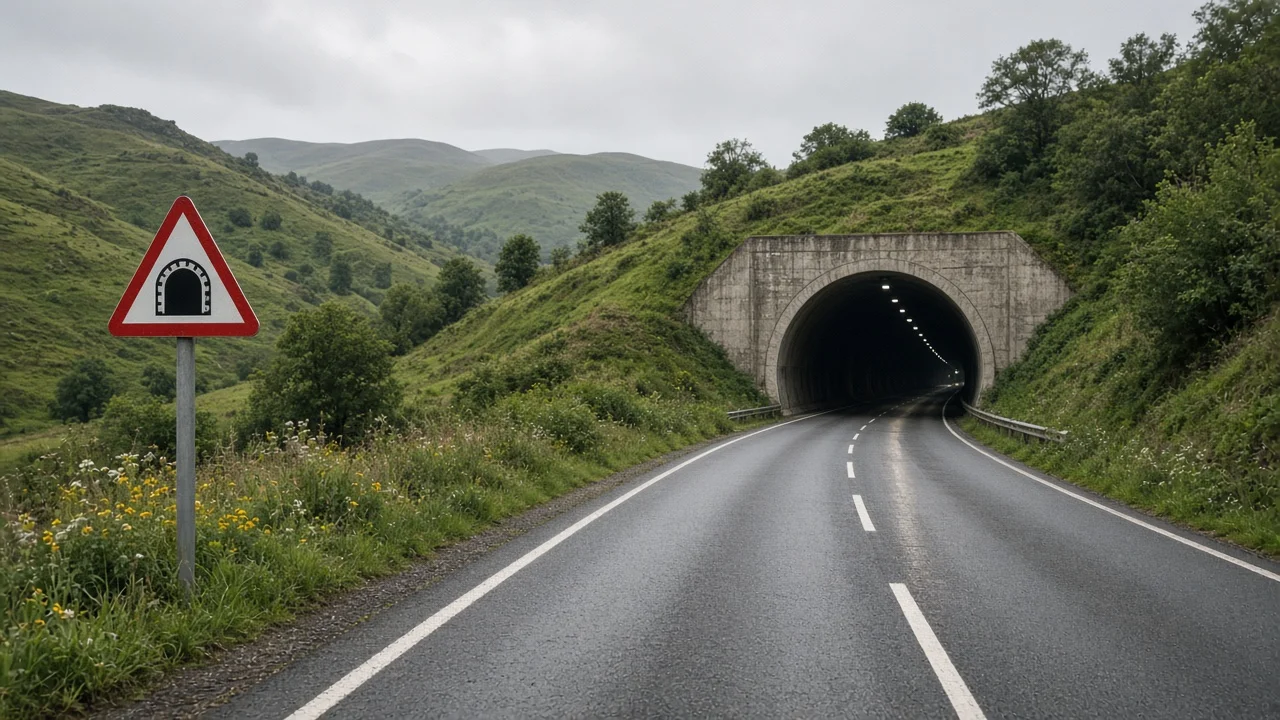
Posts usually appear on the nearside verge where open road bends toward a cutting, a river crossing, or a hillside bore. Engineers often add a distance plate in yards or metres beneath the triangle. On dual carriageways the same symbol may repeat on a gantry so joining traffic from a slip road still sees the warning.
Retroreflective sheeting keeps the red rim visible in rain and dusk long before the portal fills your windscreen. Learners sometimes pick the wrong answer when a question shows a low bridge with height numerals or a hump-backed arch; those plates belong to restriction or bridge warnings, not the plain tunnel mouth pictogram.
Temporary works can hide the post behind cones during lining repairs. Portable lighting rigs inside the bore do not remove the need to dip headlights. If a diversion sends you onto an unfamiliar route, any repeated triangle still counts as the same hazard class.
Height restriction circles quote a maximum headroom in metres or feet. Hump bridge triangles warn of a sharp crest, not an enclosed tube. Traffic signal warnings show lights on a pole. The tunnel pictogram promises loss of daylight and tighter discipline, not a weight limit by itself.
What the Tunnel Ahead Sign Means
Highway authorities place the warning where the carriageway enters a constructed bore: under hills, through city docks, beside estuaries, or on long motorway links such as the Mersey, Tyne, or Dartford approaches. The triangle does not tell you the length of the tube or whether lanes narrow. It tells you that routine open-road habits must change before the portal.
Rule 126 expects a longer following gap on high-speed roads and in tunnels where visibility is reduced, and at least five metres if you must stop inside the bore. Rule 115 reminds you to use dipped headlights so others can see you without dazzling oncoming traffic. Rule 93 warns that bright sunlight can dazzle you, which is why removing sunglasses before entry matters. The warning triangle supports those duties by giving you time to prepare before the light changes.
Glare is the first surprise. Bright sun on the approach can leave your eyes adapted to daylight while the bore ahead looks like a black hole. Slowing early lets pupils adjust and gives following drivers time to notice your brake lights. Sunglasses that help on open road can hide dashboard warning lamps; removing them before entry is part of the message the pictogram implies.
Air quality and ventilation matter on long bores. HGVs and coaches produce more exhaust in confined space. Keeping a steady gap reduces the need to brake hard when visibility drops in a smoke haze from a struggling diesel ahead. Electric cars are quieter, which helps cabin calm but can surprise pedestrians in short urban tubes where pavements sit close to traffic.
Many tunnels carry radio rebroadcast, variable message signs, and emergency telephones at intervals. The advance triangle does not list those services. It aligns expectation with geometry: limited escape routes, hard walls, and no hard shoulder in some older city bores. Scan for height boards even when the warning triangle itself shows no numerals, because a separate restriction plate may sit beside the portal.
Lane signals above the carriageway can show red X symbols on smart motorways and on some trunk routes. A red X means the lane is closed to traffic; you must not continue in it. The tunnel warning is your cue to check overhead gantries as well as the road surface, because closures often begin at the mouth where merge paint tightens.
Two-way tubes with a single lane each direction demand patience. Oncoming headlights can dazzle if you forget to dip. Cyclists and motorcycles are vulnerable where gusts and spray concentrate. Give them room on the approach rather than squeezing past at the last open metres before the wall narrows.
Breakdown inside a bore is stressful. Hazard lights, stay in the vehicle if safe, and use the emergency telephone rather than walking in live lanes. Fire and rescue teams train for these sites; blocking a refuge niche or reversing against flow creates risk the warning triangle was designed to reduce by slowing you beforehand.
Night driving can feel easier because headlights already match the environment, yet fatigue rises in monotonous lighting. The plate still matters after dark when services areas are sparse and drivers cruise on motorways toward a sudden enclosed section across water.
Winter salt and summer heat both stress tunnel systems. Standing water at the portal can hide lane markings; the warning gives you space to read chevrons and follow the centre line without swerving when grip changes on wet concrete.
Distance plates under the triangle are planning time, not speed limits. Use them to cancel cruise control, select a lower gear on long descents into subsea links, and open a gap from the vehicle ahead.
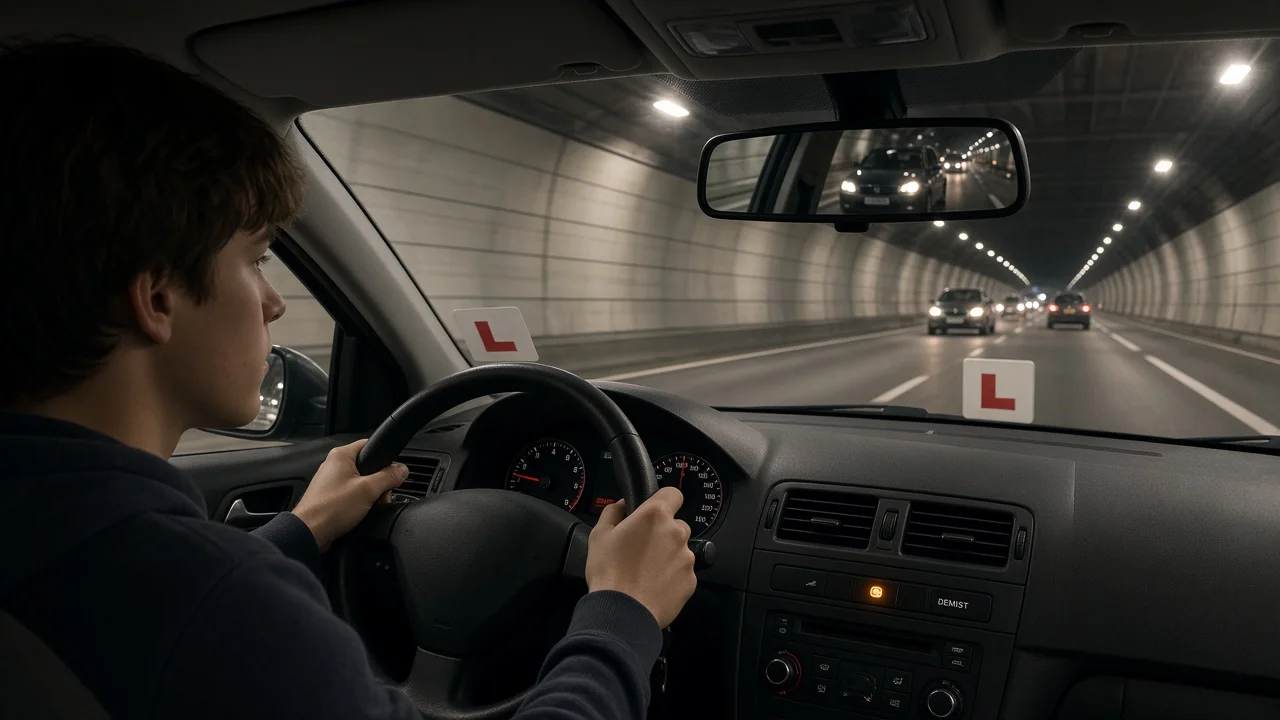
Remove sunglasses and check demister settings before the shadow line. A misted screen at the portal is a common driving test fault on routes that pass through short urban bores.
HGV height and width plates may sit beside the triangle even when the warning symbol itself omits figures. If your outfit exceeds posted limits, the bore is not a place to discover the error.
Sat nav may announce a tunnel without describing lane drops. When the red triangle appears, read overhead signs for lane allocation before concrete walls hide them.
Motorcyclists should avoid filtering into a closing gap at the mouth; expansion joints and drainage grates can deflect a front wheel at an angle.
If variable speed limits apply on the approach, obey the signed limit as well as the general tunnel rules. Smart motorway sections sometimes reduce speed before enclosed air quality zones.
Driving instructors on routes through Liverpool, Hull, or the Thames crossings use the warning to coach headlight checks and mirror timing before examiners ask why beams were left on main beam.
When queuing at a toll plaza before a river crossing, the triangle may appear long before the booth. Treat the queue as part of the tunnel approach: leave space for breakdown recovery and avoid blocking yellow box junctions at the portal.
Highway Code rules 93, 115, 126 and 166 (glare, lights, gaps, and overtaking)
Tunnel ahead vs Similar Signs
| Sign | Meaning | Legal or warning? |
|---|---|---|
| Tunnel ahead | Enclosed road; prepare lights and following distance | Warning triangle |
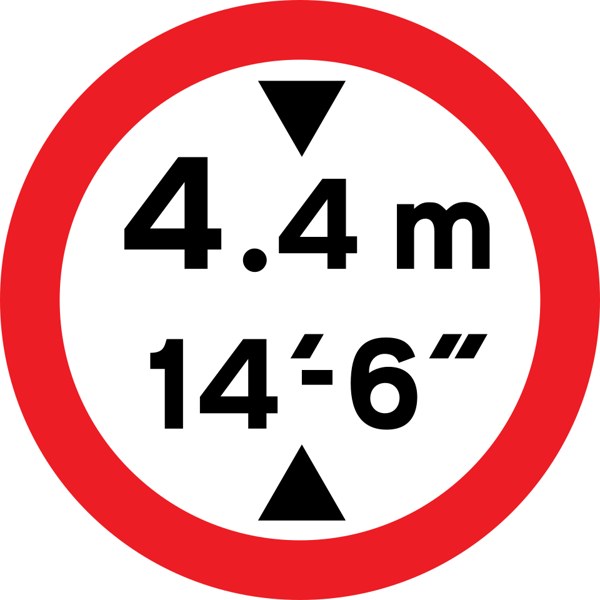 Height restriction | Maximum vehicle headroom at the structure | Regulatory circle |
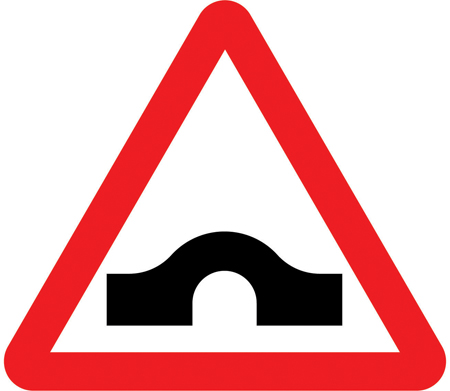 Hump bridge | Sharp crest may hide oncoming traffic | Warning triangle |
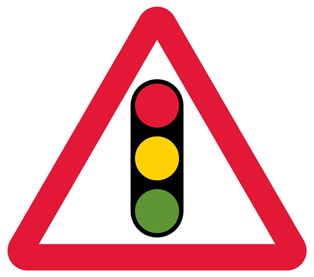 Traffic signals ahead | Lights control traffic before a hazard | Warning triangle |
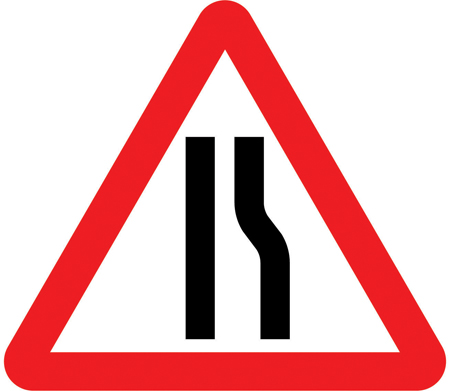 Road narrows | Carriageway width reduces on open road | Warning triangle |
Rules and Penalties
The warning triangle is advisory. Fixed penalties can still apply for using main beam when dipped headlights are required, for overtaking when traffic is visible ahead in the bore, or for stopping in a live lane without good cause.
Ignoring a red X above a lane closure can bring motorway enforcement by camera on routes where smart signals operate through tunnels. Treat a red X like a red traffic light for that lane.
Parking or reversing in a tunnel except in an emergency risks careless driving reports if others must brake or swerve. Recovery operators bill heavily for blocking a single lane in a two-lane tube.
Height offences involve striking structure linings or sprinkler gear when drivers ignore separate restriction plates. The triangle alone does not excuse hitting the roof because a numerals board was missed.
Driving tests mark serious faults for wrong headlight use at portals, for entering on main beam, or for following too closely when the examiner expects you to read the advance warning and adjust before the light changes.
Check the latest theory test pass mark and book when you are ready via our booking guide.
Tunnel ahead in Practice
Marcus drives the A55 toward Conwy on a bright afternoon. The tunnel ahead warning appears with a plate reading four hundred yards. He cancels adaptive cruise, removes his sunglasses, and twists the ventilation dial so the screen will stay clear.
At two hundred yards he dips headlights although the bore looks sunlit at the far end. Traffic ahead slows for a lane merge; he keeps a four-second gap and resists overtaking because brake lights stack inside the tube.
A lorry ahead throws spray from a drainage channel at the portal. Marcus eases throttle rather than braking late, checks the nearside mirror for a motorcycle he heard but could not see in glare, and stays centred on the lane line.
On a later theory session he matches the pictogram to enclosed road rather than bridge height options. In a hazard perception clip he scores by easing off when headlights bunch before a dark rectangle, even when the post is out of frame.
His instructor asks what he would do if an emergency telephone flashed without instruction. Marcus answers that he would stop only when safe, use the phone, and follow operator advice rather than reversing against live traffic.
How This Sign Appears on the Theory Test
Picture questions show the tunnel mouth pictogram and ask what to expect. Choose enclosed road and lighting changes, not pedestrian underpass or mine entrance distractors.
Scenario stems may ask which headlight setting to use. Dipped beams are correct by day and night unless a separate sign orders something different.
Distractors sometimes show height restriction numerals inside a circle. Compare shapes: triangles warn; red rings with numbers regulate dimensions.
Hazard perception rewards early slowing when traffic compresses before a dark portal or when glare shifts on the windscreen. Behaviour matters more than spotting the exact post in the clip.
When revising warning triangles, sketch the semicircle with headlamp rays and label lighting and gap rules. Examiners expect quick recognition without confusing the symbol with a low bridge plate.
Questions about overtaking in tunnels expect you to recall that you must not overtake when you can see traffic ahead within the bore, even if the open road limit still applies on the approach.
Take a free mock theory test and filter questions on road and traffic signs. Pair that with the warning signs guide for triangle symbols.
Related Road Signs
Road narrows
Width pinch that often continues inside older city bores.
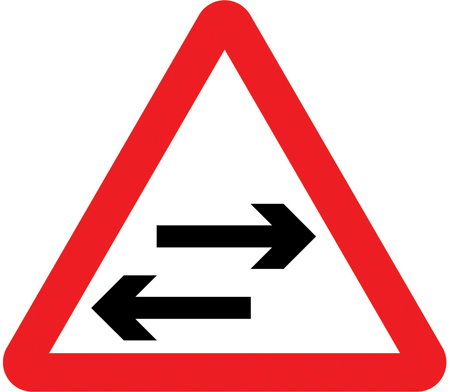
Two-way traffic
Single carriageway tubes where oncoming glare needs dipped beams.
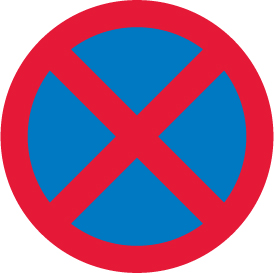
No stopping
Keep-clear lengths at mouths where queues block ventilation.
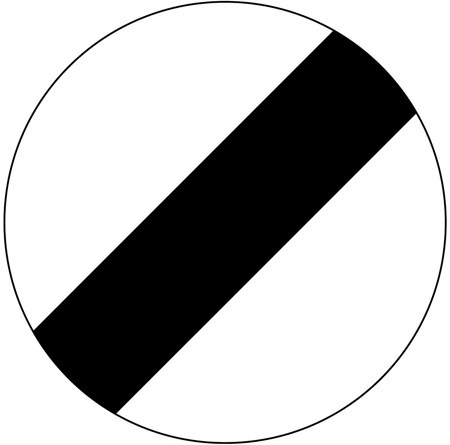
National speed limit
Default limits on open approaches still demand safe speed for glare.
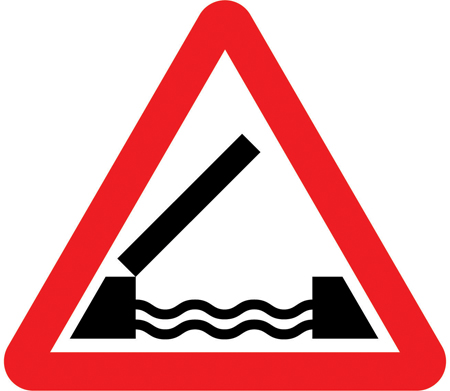
Opening bridge
Different water crossing hazard; compare pictograms carefully in exams.
Test Yourself on UK Road Signs
Let the tunnel ahead warning start your routine before the shadow line: slow on the approach, dip headlights, clear the screen, and keep a gap you can hold if traffic stops in the bore. Enclosed sections appear on holiday routes and urban tests alike, so recognising the pictogram saves panic when daylight disappears. A free mock theory test helps you practise warning triangles before the exam swaps symbols.
Frequently Asked Questions
What should I do when I see the tunnel ahead warning?
Ease off speed, switch on dipped headlights, remove sunglasses, and check demisters. The triangle warns that enclosed road follows; it does not quote a speed limit.
Must I use headlights in a tunnel during the day?
Yes. Rule 115 expects dipped headlights in dull daytime weather and enclosed sections so you are visible and less likely to dazzle others.
How is this different from a height restriction sign?
The warning triangle shows a tunnel mouth without headroom figures. A red ring with numerals sets maximum height. Both may appear near the same portal.
Can I overtake in a tunnel?
You must not overtake if you can see traffic ahead within the tunnel. Even when the road looks clear, tight lanes and poor escape routes make overtaking risky.
Will this appear on my theory test?
Yes. Road and traffic sign questions include tunnel warnings. Expect image items on lighting, overtaking, and choosing the correct pictogram meaning.