
Last updated: October 2026 · Checked against Highway Code
No Explosives Sign: meaning, rules and what to do
The UK no explosives plate is a red-ringed regulatory circle that forbids vehicles carrying explosives from entering or continuing along the signed length, protecting tunnels, fuel depots, city cores and other sensitive sites where even a lawful commercial load would be too dangerous to route past the post.
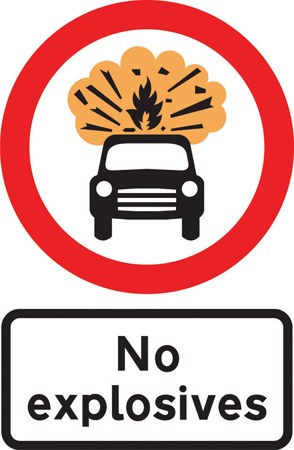
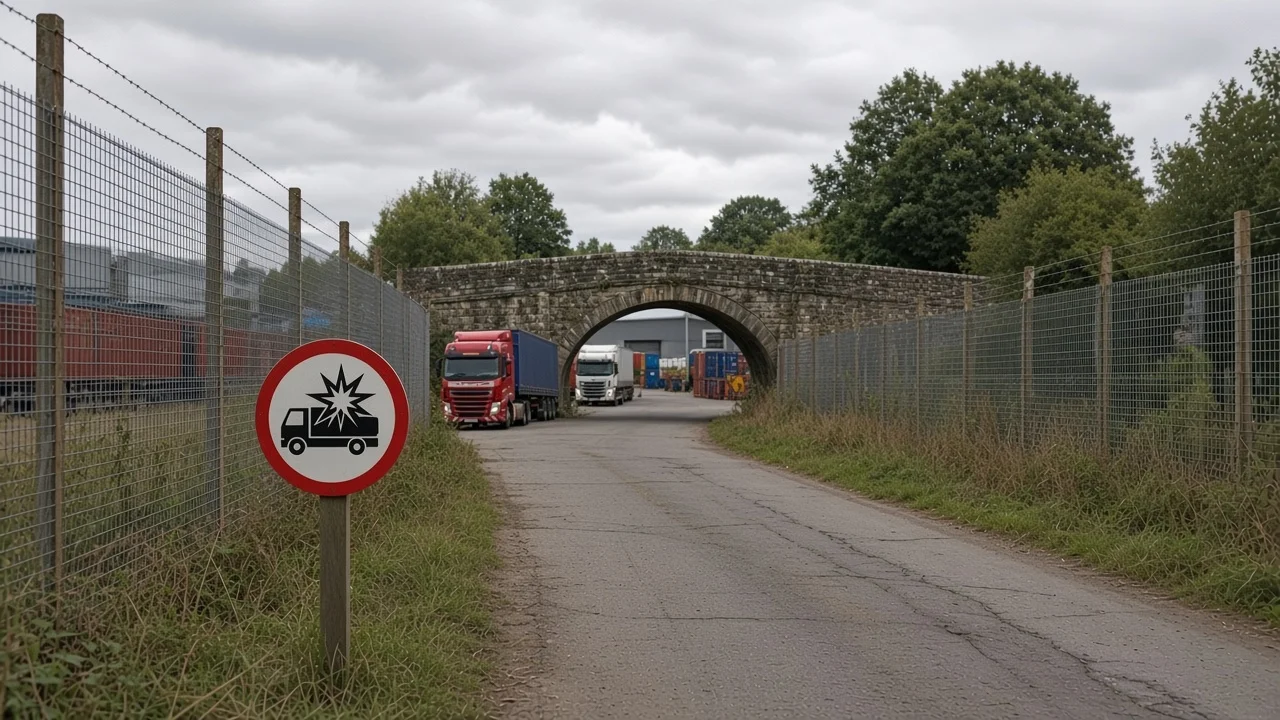
Sign image © Crown copyright, reproduced from GOV.UK traffic sign images under the Open Government Licence v3.0.
What the No explosives Sign Looks Like
The face follows standard UK prohibitory grammar: white disc, thick red border, black pictogram centred inside the ring. Official artwork for diagram 619 shows a goods vehicle silhouette with a starburst or explosion symbol above the cab, signalling that the ban targets loads with explosive risk rather than every engine on the road. Dimensions match other regulatory circles so drivers spot prohibition before they read fine detail.
Posts cluster at tunnel mouths, fuel and chemical terminals, military establishments, fireworks storage approaches, and urban underpasses where a blast would be catastrophic. Repeat circles after side junctions remind joining traffic that the ban continues. Rectangular white panels may list Except for access, escorted movements, or emergency services only.
Learners confuse the plate with no motor vehicles, which pairs car and motorcycle pictograms without a burst symbol. They also swap it with weight or height numerals in red rings. The explosion motif is the revision anchor: prohibitory circle plus blast graphic equals no vehicles carrying explosives, not a generic motor ban or a tonnage order.
Temporary chapter-eight boards during incidents may copy the symbol when a tunnel is closed to hazardous loads even though car traffic still flows. Treat any official red-ring explosive pictogram as binding for the signed length until an end plate or a clearly different traffic order applies.
At night retroreflective red rings stand out before the black burst detail resolves. Rain and grime can hide the starburst while the circle still reads as prohibition. Hauliers photograph plates before wheels cross the line because enforcement and operator audits treat ignored depot orders seriously.
No entry blocks wrong-way flow into a one-way length. Weight and height circles cap dimensions for every vehicle that exceeds a figure. The no explosives sign is a cargo class ban: it forbids vehicles carrying explosives past the post regardless of whether your van is empty on the return leg if the loaded journey is still in scope. Read supplementary plates for escorted tunnel windows rather than assuming the circle bans all lorries.
What the No Explosives Sign Means
Traffic authorities install the order where routing explosive materials through a bore, under a city square, or past a fuel farm would breach safety policy even when the road is otherwise open to goods traffic. The restriction is about hazardous cargo, not about banning private cars that carry no such load.
Rule 253 in The Highway Code requires you to drive only where you can do so safely and legally. For ADR-trained drivers the plate is a hard gate on the route card. Car learners must still name the sign in recognition items and understand why an artic might suddenly peel off toward a service road when the burst symbol appears.
The order begins at the sign and continues along the signed length until an end plate, a clear break in the restriction, or a junction where no matching circle faces your direction. Side entries are only safe for explosive loads if local orders and permits explicitly allow them; guessing costs licences and livelihoods.
Empty vehicles may still be controlled when regulations treat recent contamination or uncleaned tanks as in scope. If you are unsure whether your return journey is exempt, stop short of the line and confirm with your transport office rather than nudging forward to ask a gate guard.
Tunnels often pair the circle with height, width, or weight plates on the same gantry. Each symbol carries its own duty. Passing under height when you are legal on metres but illegal on explosives still breaches the explosive ban even if your roof clears the beam.
Urban clearways and no-stopping orders on nearby lengths do not replace this plate. A courier in a small van without explosive cargo may still be subject to waiting bans while an explosives lorry must divert regardless of kerb paint.
Northern Ireland uses the same regulatory circle family on public roads, with dangerous goods routing overseen under matching UK frameworks. Cross-border operators should reconcile sat-nav lines with signed burst plates before wheels enter a Belfast tunnel mouth.
Emergency services exemptions appear only when white plates or statutory powers say so. Blue lights do not cancel the order for civilian escorts following a convoy unless the traffic authority has published that movement.
Expect burst pictograms on approaches to distribution parks, ferry terminals with tunnel links, and legacy dock roads where fuel tanks sit behind a single brick wall. Car drivers should not tailgate artics that brake hard when the plate appears; the lorry may need a wide turn into a signed diversion.
When you supervise learner Oliver or another pupil near industrial estates, build a habit of naming cargo-ban plates separately from weight numerals. Examiners reward early lane discipline more than a late swerve across hatched aprons.
Sat-nav updates lag behind new depot orders. If the screen shows a straight line into a terminal and the post shows the burst symbol, obey the plate and replan on the service road.
Photograph posts before entering sites on work experience with haulage firms. Compliance teams use timestamps when a driver claims the plate was hidden behind scaffolding.
Before the theory test, pair this circle with tunnel-ahead triangles in one revision sitting so underground hazards and cargo bans do not blur under exam clock pressure.
If you must reverse after a missed diversion, choose a moment when the depot throat is clear of yard traffic. Artics need swing room; blocking the gate while you argue with a sat-nav helps nobody.
Winter gritting does not remove explosive routing orders. Ice on a diversion loop is still the lawful path when the main tunnel mouth forbids your load class.
Cyclists and pedestrians are outside the explosive cargo rule yet may still be banned by separate plates on the same post. Read every face on the gantry before you roll forward.
Highway Code rules 253 and 124 (legal road use and vehicle limits)
No explosives vs Similar Signs
| Sign | Meaning | Legal or warning? |
|---|---|---|
| No explosives | Vehicles carrying explosives must not pass | Regulatory prohibitory circle |
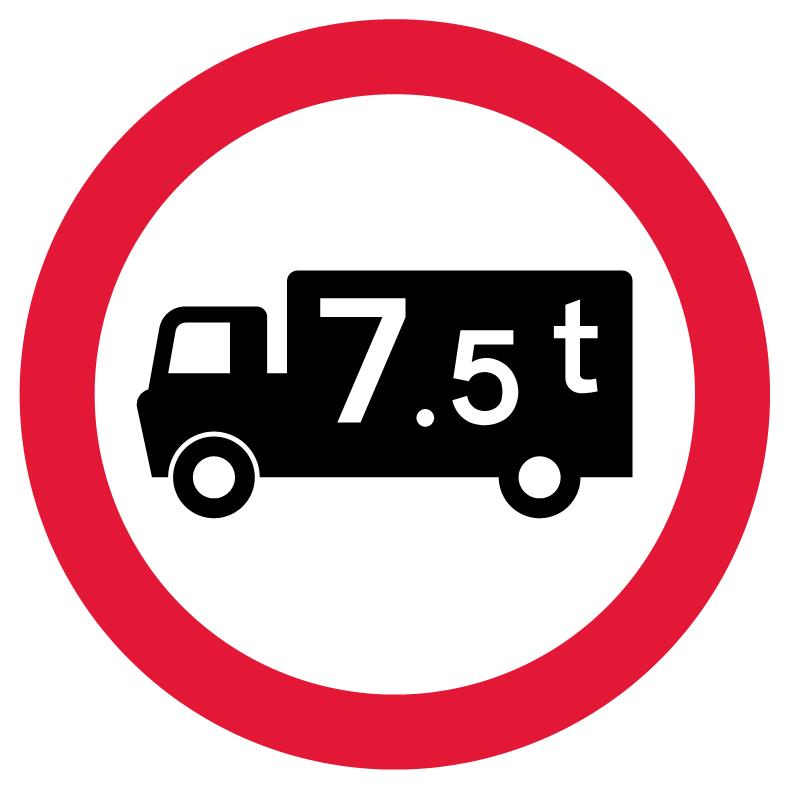 Weight limit | Goods vehicles over shown tonnes must not pass | Regulatory circle with lorry numerals |
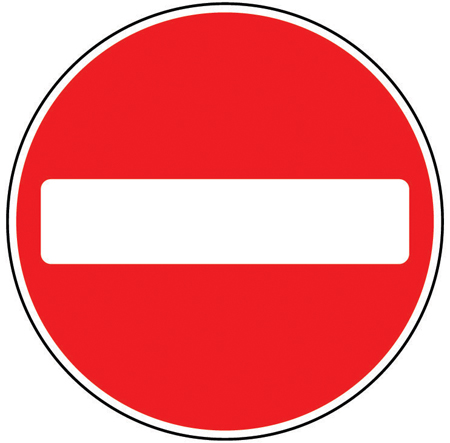 No entry | Wrong way on one-way length | Regulatory white bar on red |
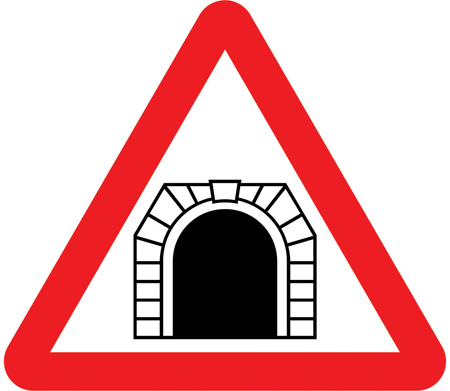 Tunnel ahead | Tunnel mouth approaching; check restrictions | Warning triangle |
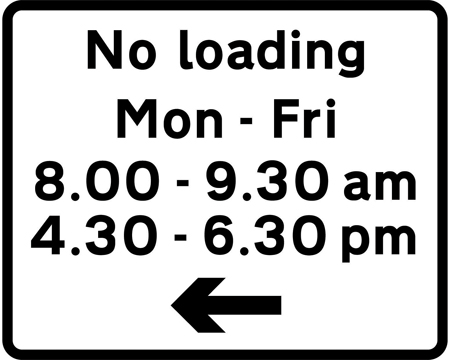 No loading | No loading or unloading goods on signed length | Regulatory barred goods vehicle |
Rules and Penalties
Driving past the plate with explosive cargo without lawful authority can trigger police stops, prohibition notices, and prosecution under dangerous goods and road traffic law, with operator licence scrutiny for commercial fleets.
Civil claims after incidents in tunnels or fuel depots often turn on whether routing orders were visible and obeyed. Dashcam footage showing the burst plate strengthens enforcement when a load should have diverted.
Theory tests show the prohibitory circle with explosive artwork and ask who must not continue. Choose vehicles carrying explosives, not every car unless the scenario adds a laden van with hazard labels.
Site owners may refuse entry and impound vehicles that breach perimeter orders even before police arrive, especially where insurance policies require signed routing compliance.
Repeat breaches on depot approaches can end contract haulage for operators whose telematics show ignored burst plates at the same gate each week.
Check the latest theory test pass mark and book when you are ready via our booking guide.
No explosives in Practice
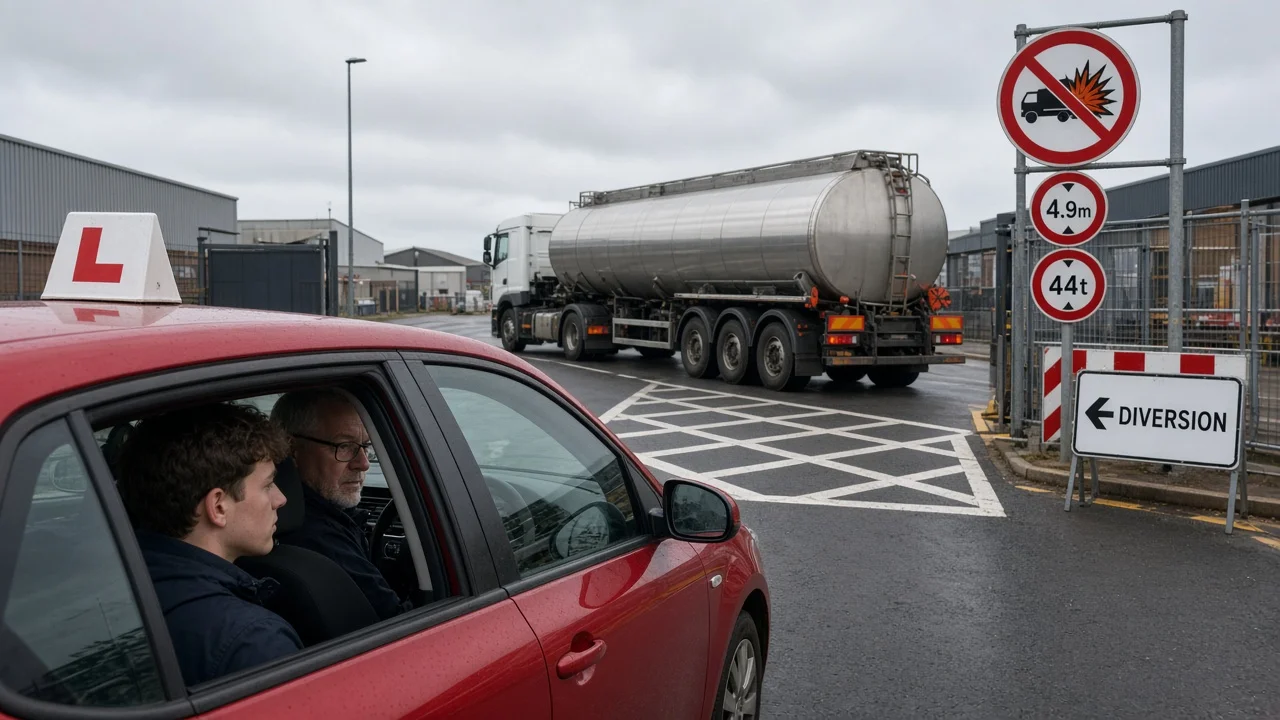
Oliver is eighteen, five weeks into manual lessons with instructor Bea on routes that skirt a Midlands haulage depot. They approach a wide industrial distributor road where artics queue for weighbridges. A red circle with a vehicle and explosion burst faces their nearside lane beside a height plate and a weight limit disc.
Bea asks Oliver to hold in the left lane short of the hatched throat. A fuel tanker ahead signals left toward a signed HGV diversion while a plain curtainsider continues straight. Oliver asks why one lorry turns and another does not. Bea explains the burst plate bans explosive loads along the straight tunnel link to the warehouse pads, while the curtainsider carries no such cargo.
A depot marshal waves the tanker onto the outer loop. Oliver mirrors the check, confirms their Fiesta carries no hazardous goods, and still reads every plate because height and weight orders could matter to a taller van. He notes how early braking kept following traffic calm when the artic swung wide.
That evening Oliver revises regulatory signs for his theory booking. A mock photo shows the explosion pictogram inside a red ring. He selects the answer that forbids vehicles carrying explosives and rejects a distractor about no motor vehicles.
Bea sets a hazard perception clip with brake lights stacking before a tunnel mouth. Oliver taps when a lorry peels off late across hatched paint, linking depot geometry to cargo-ban behaviour even when the post is half hidden by a queue.
Before his practical test, Oliver practises naming prohibitory circles aloud on industrial loops. When he sees the burst symbol, he says no explosives for laden vehicles and mentions diversion arrows, which matches how examiners discuss sign awareness on routes that pass distribution parks.
How This Sign Appears on the Theory Test
Picture items show the burst pictogram inside a red regulatory circle and ask what is forbidden. Select vehicles carrying explosives unless the stem adds a separate motor-vehicle ban.
Distractors swap in car-and-motorcycle pictograms from no motor vehicles or tonnage figures from weight limits. Read the starburst before you tap.
Scenario questions describe a tunnel approach with multiple plates. The safe answer obeys the explosive ban even when height clearance looks generous for a car.
Hazard perception on depot approaches rewards early easing when artics signal away from a straight tunnel entry. Do not wait for the post to fill the frame if brake lights bunch first.
Revision cards should sketch the explosion motif above a lorry silhouette. DVSA materials keep that pairing consistent for diagram 619 style plates.
Take a free mock theory test and filter questions on road and traffic signs. Pair that with the warning signs guide for triangle symbols.
Related Road Signs
Weight limit
Tonnage cap on the same depot approach as cargo bans.
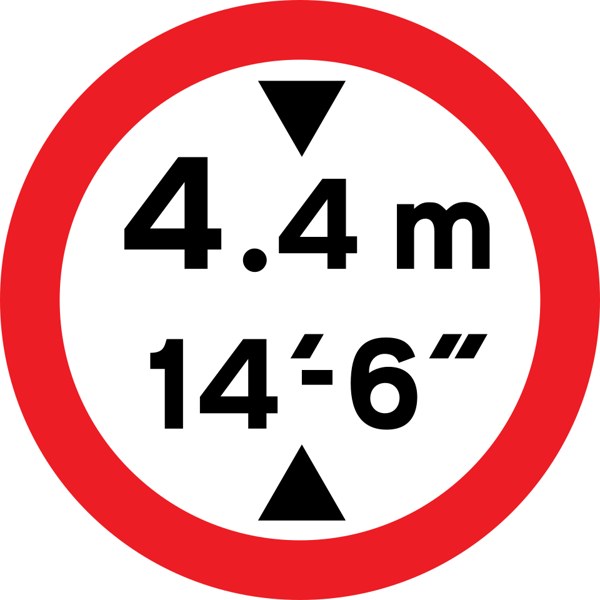
Height restriction
Headroom orders often stacked on tunnel gantries.
Tunnel ahead
Warning before bores where explosive loads may be barred.
No entry
Wrong-way bar, not a dangerous-goods class ban.
No loading
Kerbside goods work ban separate from explosive routing.
Test Yourself on UK Road Signs
When the red ring shows an explosion burst above a vehicle silhouette, treat the throat as closed to explosive loads unless white plates prove a lawful escorted movement. Car learners like Oliver need sharp recognition for DVSA photos and calm space for artics that must divert. Pair this page with tunnel and weight guides on the regulatory signs hub, then run a free mock theory test to drill prohibitory plates beside dimension numerals.
Frequently Asked Questions
Does the no explosives sign ban every vehicle?
No. It targets vehicles carrying explosives or loads classed that way under dangerous goods rules. Ordinary cars without such cargo may continue when other plates still allow them.
How is the plate different from a weight limit sign?
Weight limits quote tonnes for goods vehicles over a figure. The no explosives sign forbids a cargo class regardless of whether the lorry is light on the axles.
Can I follow a tanker through if I am only in a car?
Only if you are not carrying explosives and no other plate forbids your vehicle. Give the tanker room to take a signed diversion rather than assuming you may use a banned tunnel link because you are smaller.
Will this sign appear on my theory test?
Yes. Regulatory sign questions include dangerous-goods prohibitions. Expect image items asking you to identify vehicles carrying explosives as the class that must not pass.
What should I do if sat-nav sends me past the sign with a labelled load?
Stop in a safe place short of the line, contact your transport office, and use the signed diversion. The plate overrides the screen for explosive cargo.