
Last updated: October 2026 · Checked against Highway Code
Height Limit: meaning, rules and what to do
The UK height limit plate is a red-ringed prohibitory circle with black numerals in metres and small vertical arrows pointing inward from the top and bottom of the white field, telling you not to drive past the post if your vehicle or load is taller than the figure on the arch, tunnel, car park beam, or warehouse door ahead.
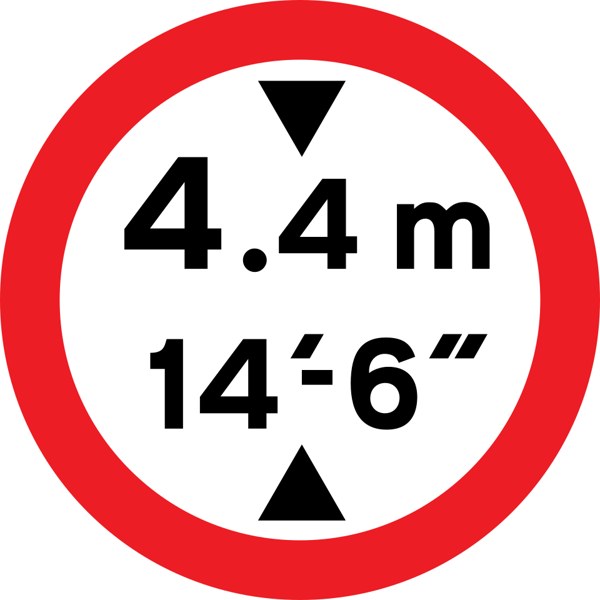
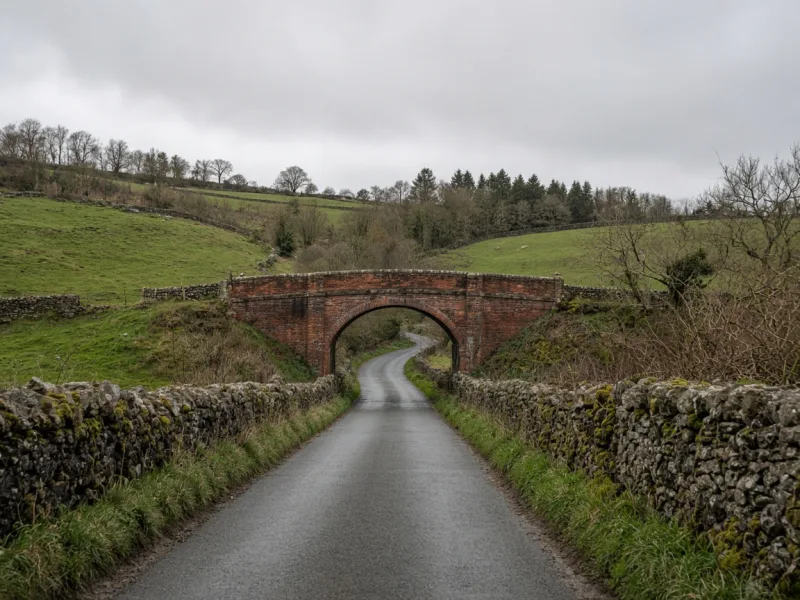
Sign image © Crown copyright, reproduced from GOV.UK traffic sign images under the Open Government Licence v3.0.
What the Height limit Sign Looks Like
The prohibitory plate follows standard UK regulatory grammar: thick red border, white centre, black measurement. Most versions show the limit in metres, such as 3.9 m or 4.4 m, with black triangles or chevrons on the top and bottom edges of the white field pointing inward toward the number. That vertical squeeze distinguishes this order from width plates that stress horizontal gaps or weight discs centred on a lorry silhouette.
Posts stand on the nearside verge before a railway bridge, on abutments at industrial yards, beside multi-storey car park ramps, and on gantry legs above dual carriageways where a deck crosses the road. A rectangular plate beneath may repeat the figure, add Except for access, or point left along a mandatory diversion for tall vehicles.
You may first see a red warning triangle with a low bridge pictogram further back on faster approaches. That advance board describes the hazard shape; the prohibitory circle at the decision point states the dimension you must not exceed. Learners who revise only the triangle often miss exam questions that show the regulatory circle without the arch artwork.
Composite boards are common at weak structures. A white header may read Low bridge or Weak bridge above the grey panel that carries the circular height order. Read every line: the headline explains sensitivity, while the circle states the metres that apply to your roofline.
Older depots sometimes mix imperial and metric on separate panels, but modern orders favour metres. Temporary plates after strike damage can lower a familiar crossing overnight. Retroreflective sheeting keeps the red ring readable at dusk when hedges hide stone cheeks until your headlights catch them.
The height restriction warning triangle shows a low bridge pictogram without a binding metres figure on the triangle itself. Hump bridge warnings describe a crest, not a quoted headroom. The regulatory circle with vertical arrows and a number is the binding order: if you are over that height, you must not proceed. Width and length restriction circles use different pictograms and arrow directions. Read every face on the post before you assume the limit ended.
What the Height Limit Means
Highway authorities install height limits where fixed overhead structure caps how tall a vehicle may be: Victorian brick railway arches, cast-iron canal bridges, sprinkler drops in warehouses, and rising barrier arms at car parks all create the same problem for vans, coaches, campervans, and agricultural kit. The order applies to total height in practice, including aerials and poorly tied tarpaulins, unless a local schedule states otherwise.
Rule 92 in The Highway Code expects drivers of large vehicles to know their dimensions and to obey height and width signs. For car drivers the same plate matters when you hire a high-top van, carry kayaks on roof bars, or tow a box trailer whose front corner rises on a hump. The circle is prohibitory: proceeding when you are too tall can support careless driving attention if you strike masonry or block the lane.
Headroom is measured vertically from the running surface to the lowest point of the overhead structure. Lighting brackets and drainage channels can hang lower than the decorative crown of a brick arch. That is why engineers repeat the plate on both sides of narrow spans and why you should not assume clearance equals the centre of the curve.
Railway bridges account for many strikes each year because the span is low, the road rises on the approach, and drivers trust sat nav instead of a tape measure. Network Rail and local councils publish strike data because a single impact can close a line and trigger repair bills far beyond an insurance excess. The red-ring figure is the last regulated warning before civil recovery stacks up.
Except for access plates allow entry when your destination lies inside the zone and no lawful shorter route exists. They do not grant permission to wait under the arch while you unload on the pavement. Delivery drivers still risk obstruction if they wedge a tall van halfway through a single-track gap.
The limit runs from the sign until an end plate, a clear break in the restriction, or a junction where another face does not repeat the symbol. Joining from a side road requires you to read the circle facing your direction. Assuming the main road limit ended because you turned off a bypass is a common insurance dispute.
Caravans and high trailers change effective height when the outfit pivots uphill. A tow car may clear while the trailer roof strikes the soffit on the crown. Identify whether the order measures the whole combination or only the motor vehicle before you enter a one-way arch with no escape except reversing downhill.
HGV and PSV routes are planned against signed data, yet rail replacement coaches and wedding hires occasionally send unfamiliar drivers under low spans. If your vehicle exceeds the plate, refuse the turn even when passengers urge you to try. Operators carry liability when schedules ignore dimension boards.
Electric vehicles are not shorter than equivalent combustion models. Glass roofs and sensor pods add millimetres you forget on paper. Quiet approach speeds can surprise pedestrians walking through the same pinch beside you.
Northern Ireland uses the same symbol grammar on most restriction plates. When touring across the border, convert your outfit height to the unit on the sign before you commit to a ferry port shortcut that sat nav loves.
Measure once in daylight with tyres at normal pressure and roof equipment fitted as for the journey. Store the figure on a phone note or cab sticker so the red ring triggers arithmetic instead of hope.
Stop in a lay-by before the arch to remove a bike rack or lower a pop-top roof. Adjusting under the span blocks following cars and tempts oncoming drivers to enter while you are still moving.
Ask a passenger to walk ahead and sight the lowest point of the soffit against your mirror line if the gap is blind from the seat. A two-minute check beats explaining hire damage beside a railway embankment.
When a composite board quotes both weak bridge and metres, obey the number even if your vehicle feels light. Structural limits are not negotiable because you drive a car rather than a lorry.
Sat nav car modes ignore many headroom databases. When the red ring appears, treat the device as wrong until you have read the post and compared your number.
Driving instructors on northern test routes coach candidates to name regulatory circles aloud. Examiners may not route through an active low arch, but they expect you to notice prohibitory plates without confusing them with warning triangles.
After storms, fallen branches or damaged sheeting can hang lower than the signed figure. The plate still defines the legal limit; creep forward only when you can stop within the distance you can see clear.
If you drive for work, note when dispatch sends you past a posted height order your handbook forbids. Ignoring a published limit weakens negligence defences when roof panels need replacing.
Know your vehicle height in metres and in feet before long journeys. Owner handbooks quote unladen figures; add roof equipment and tyre wear. HGV and coach drivers record overall height on cab stickers; caravanners should measure with the jockey wheel at touring height.
When a plate shows both metric and imperial, either figure is authoritative. Do not round 4.4m down to fourteen feet six in your head; the metric limit is often the tighter constraint on modern signs.
Highway Code rules 92, 125 and 160 (dimensions, speed, and large vehicles)
Height limit vs Similar Signs
| Sign | Meaning | Legal or warning? |
|---|---|---|
| Height limit | No vehicle taller than the metres figure shown | Regulatory circle |
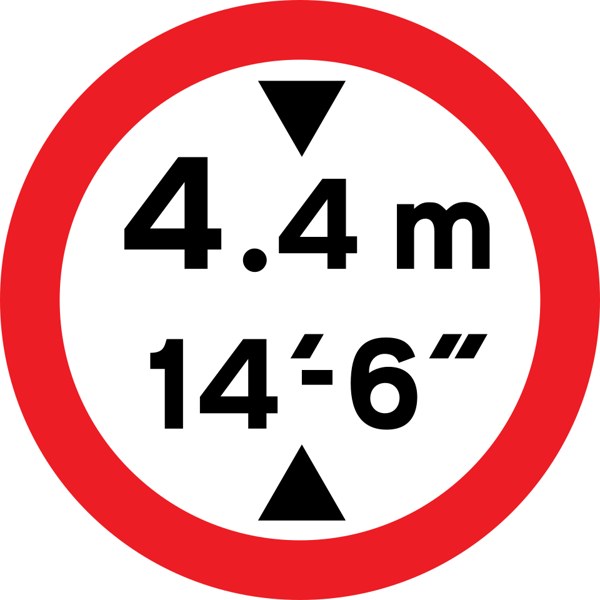 Height restriction | Low headroom ahead; warning triangle | Warning triangle |
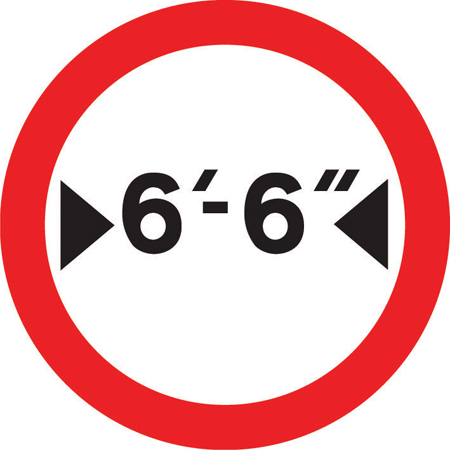 Width limit | Maximum width including mirrors | Regulatory circle |
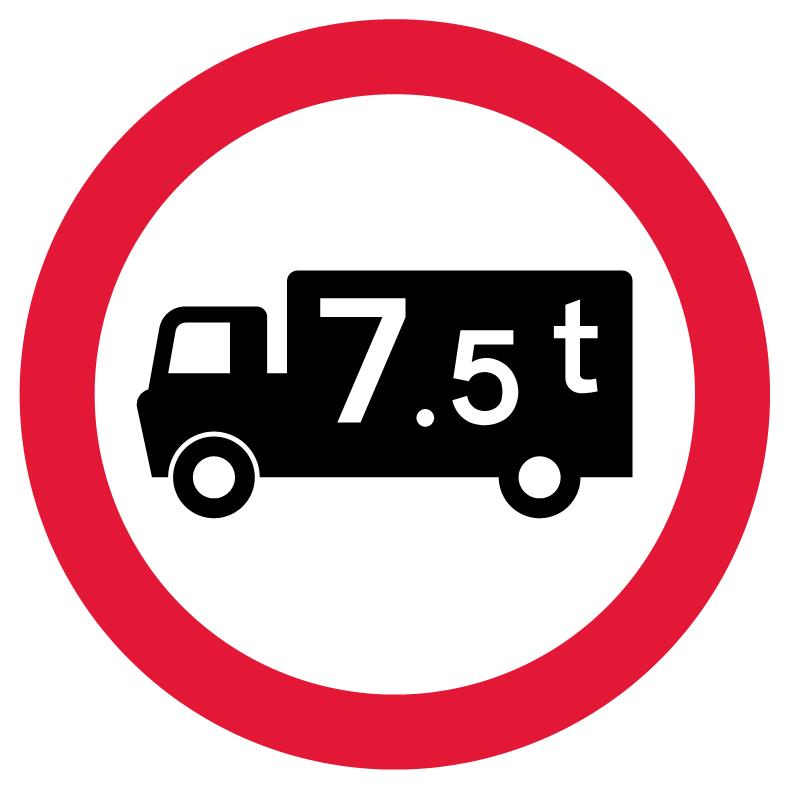 Weight limit | Maximum gross weight for goods vehicles | Regulatory circle |
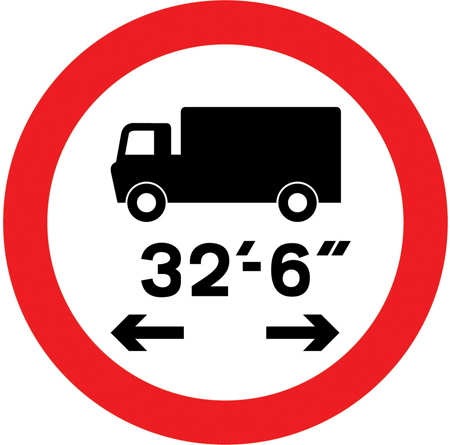 Length restriction | Maximum vehicle or combination length | Regulatory circle |
Rules and Penalties
Driving past a prohibitory height plate when your vehicle exceeds the posted figure can support careless driving attention if you strike the structure, force lengthy reverses, or block emergency access under a single-track arch.
Railway and canal operators recover repair and delay costs from drivers and insurers after strikes. Bills for line closures, scaffolding, and structural surveys routinely reach tens of thousands of pounds. A diversion adds minutes; a strike can end a professional licence.
Blocking a signed gap by wedging a tall van halfway through may amount to unnecessary obstruction if you could have turned back at the last wide bell mouth. Police may direct you to reverse even when the gap looked passable from a distance.
Commercial operators who ignore known height limits on scheduled routes can face operator licence scrutiny when repeated strike claims appear in traffic commissioner records, even when no fixed penalty notice was issued at the scene.
Theory tests focus on recognition and lawful response. Expect image questions that show the vertical-arrow circle and ask you to choose maximum height, rejecting low-bridge triangles that warn without stating the legal metres figure on the same board.
Check the latest theory test pass mark and book when you are ready via our booking guide.
Height limit in Practice
Nadia is revising for her theory test while her dad drives them toward a market town in West Yorkshire along a B-road that dips under a brick railway bridge. A height limit sign on the stone wall reads 3.8 m with inward-pointing arrows at the top and bottom of the red ring.
Their family SUV handbook quotes 1.72 m unladen, but Nadia spots roof bars with a zipped bag that bulges above the rails. Before the cattle grid she pulls into a passing place, measures with a tape from the tarmac to the bag peak, and gets 1.89 m. The plate still allows passage, yet only if they keep speed low so the suspension does not bounce on the cobbles leading to the arch.
A box van behind them stops, reads the same circle, and reverses toward a yellow diversion plate for vehicles over 3.5 m that Nadia had not noticed on the first pass. She realises the prohibitory order protected two different mistakes: her dad almost assuming bars did not count, and the van driver almost trusting clearance because the warning triangle further back showed only a generic low bridge without numerals.
Under the span she watches the brick soffit in the nearside mirror and hears a scrape-free pass. On her theory app that evening she matches the red circle with vertical arrows to maximum height, not to the triangle she saw near the primary route. In a hazard perception clip on a high street she scores by easing off when brake lights bunch before a dark arch, even when the prohibitory post is hidden by a bus.
Her driving instructor later asks what she would do if the metres figure matched her measured height exactly. Nadia answers that she would still choose another route because worn tyres, fuel load, and the hump under railway bridges can add the last centimetre that turns a legal pass into a strike, and Rule 125 still demands a speed that lets her stop before the arch if the gap looks wrong.
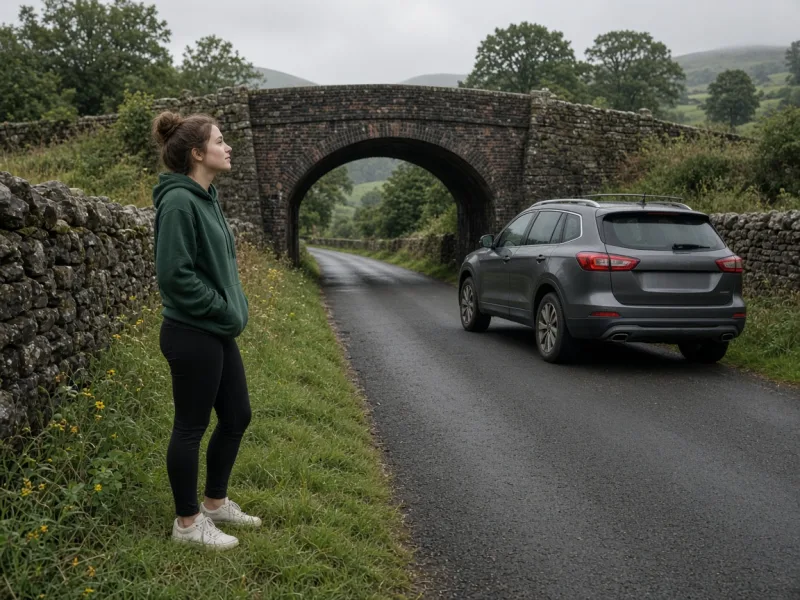
How This Sign Appears on the Theory Test
Picture items show the red-ring plate with metres and vertical inward arrows and ask what the figure limits. Choose maximum vehicle height including load, not width, weight, or a generic low bridge warning without numerals.
Scenario stems may describe a roof box, bike rack, or trailer. The safe pattern is turn back or divert if you exceed the signed headroom, matching official explanations about finding another route.
Distractors often swap the low-bridge warning triangle for the regulatory circle. Compare artwork: the inward-arrow plate squeezes vertically with a number; the triangle shows an arch pictogram without binding metres on the triangle face alone.
Exam items often stack a height warning triangle ahead of the red-ring metres plate. Treat the circle as the enforceable cap for your vehicle and load, not the distant triangle alone. Choose the option that stops or diverts before the arch or beam.
Hazard perception clips on historic streets reward early clicks when traffic slows before dark arches. Knowing that regulatory height plates precede those sections helps you anticipate conflict without waiting for a post to fill the frame.
Car mocks use fifty multiple-choice questions with forty-three to pass in fifty-seven minutes. Flag any dimension sign you guess, then reread Know Your Traffic Signs sections on restriction circles before you sit the real exam.
Take a free mock theory test and filter questions on road and traffic signs. Pair that with the warning signs guide for triangle symbols.
Related Road Signs
Height restriction
Warning triangle for low headroom; often paired with a metres plate.
Width limit
Horizontal metres order on chicanes and bridge mouths.
Weight limit
Tonnage cap for goods vehicles on weak spans.
Length restriction
Maximum combination length on tight village layouts.
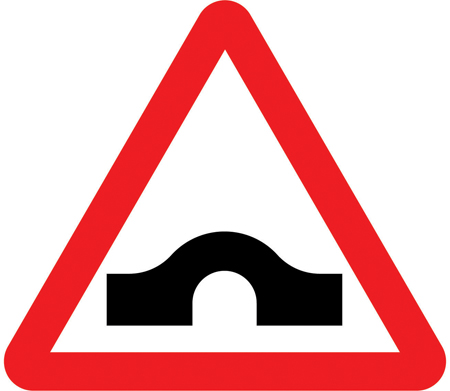
Hump bridge
Sharp crest; may hide oncoming traffic, not quoted metres.
Test Yourself on UK Road Signs
Let the prohibitory circle end the guesswork before brick meets your roof: know your metres, read any access plates in full, and divert while the road behind is still clear. Recognising the vertical-arrow plate keeps theory papers straightforward and protects bodywork on UK lanes where railway arches do not forgive a rushed shortcut. A free mock theory test helps you practise regulatory restriction plates alongside warning triangles before the exam swaps similar artwork.
Frequently Asked Questions
What does the height limit sign mean?
It shows the maximum vehicle height allowed on the road or structure ahead. You must not drive past if your vehicle, roof equipment, or load is taller than the metres figure inside the red circle.
How is the regulatory height plate different from the low-bridge warning triangle?
The triangle warns that limited headroom lies ahead and may pair with a separate plate. The prohibitory circle with vertical arrows and a metres number defines the legal maximum height at that point.
Do roof boxes and bike racks count toward the height limit?
Yes. Measure from the road surface to the highest point of the whole outfit. Remove or lower equipment before you commit if the total exceeds the signed metres figure.
What should I do if I am only slightly taller than the plate?
Do not proceed. Find a diversion. Centimetres matter under railway bridges and car park beams, and reversing with traffic behind you is slower than taking the longer lawful route.
Will the height limit sign appear on my theory test?
Yes. Road and traffic sign questions include restriction plates. Expect image items asking you to identify maximum height and to choose turning back when a roof load is too tall.