
Last updated: October 2026 · Checked against Highway Code
Road Narrows on the Left Sign: meaning, rules and what to do
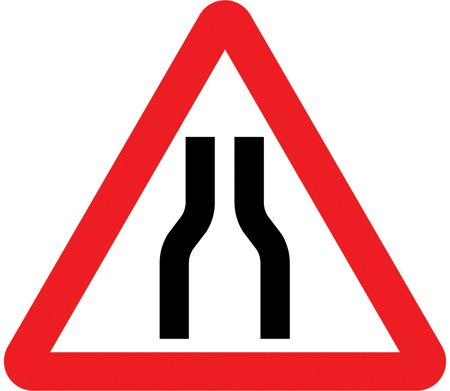
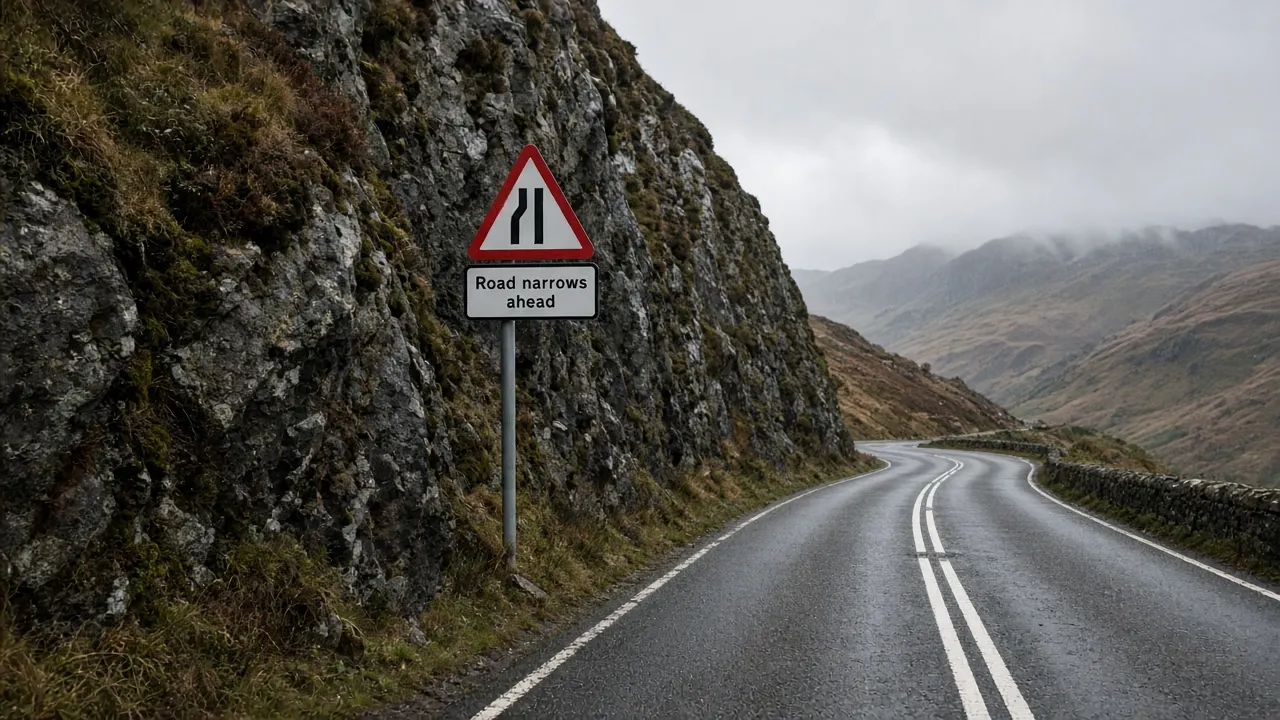
Two black lines inside a red triangle show the nearside verge or lane edge pinching in, so you should slow early and keep a path that leaves room for vehicles approaching from the opposite direction.
Sign image © Crown copyright, reproduced from GOV.UK traffic sign images under the Open Government Licence v3.0.
What the Road narrows left Sign Looks Like
The plate is an upward-pointing equilateral triangle with a thick red border and white centre, matching every other UK hazard warning. The symbol is a pair of vertical black lines representing the road edges seen from above. The left line angles inward toward the centre, while the right line stays straighter, which tells you the pinch happens on the nearside in UK driving position.
You will usually see it on a post at the nearside verge, sometimes with a distance plate underneath quoting yards or metres to the start of the narrowing. On A-roads it may repeat after a side entrance so drivers joining from a farm track still get notice. Retroreflective sheeting makes the converging lines visible in dipped headlights long before kerb paint is obvious.
Do not confuse it with the mirror image where the right line closes in, which warns of a nearside pinch for oncoming drivers but a offside hazard for you. The version where both lines taper inward describes a central hump or island squeeze rather than a single-sided loss of width. Blue circular priority plates at chicanes are regulatory orders, not the large red triangle.
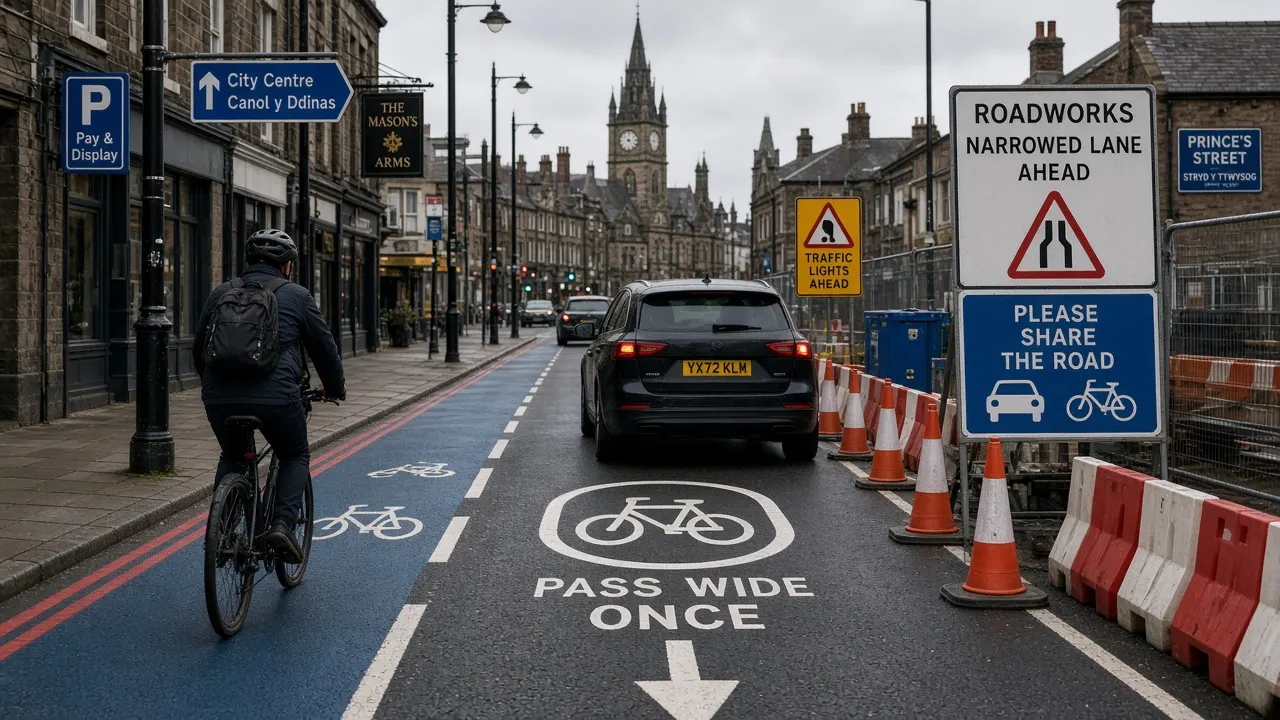
Temporary cones during roadworks can mimic a left pinch when the lane is shifted. If a fresh cone layout appears where the permanent sign already stands, treat the live channel as the source of truth even on a road you know well. Contraflows beside retaining walls often place the triangle where scaffolding steals part of the nearside footway.
Road narrows on the right uses the mirror symbol. Road narrows on both sides shows both edges converging. Small blue “give priority to oncoming vehicles” circles sometimes sit at the narrowest point; the triangle only announces geometry, not who must reverse.
What the Road Narrows on the Left Sign Means
The road narrows left sign appears where engineers expect drivers to misjudge width after a straight or generous verge. Bridge parapets, railings, parked construction plant, and rock cuts on the nearside all steal space without changing the white line on the offside. The triangle buys time to lift off the throttle and scan for oncoming headlights before the pinch begins.
Rule 134 in The Highway Code covers meeting traffic on narrow roads: use passing places on your left and wait if the other driver cannot pass. Rule 153 reminds you that country lanes may have no centre line yet still carry two-way flow. The warning triangle works with those rules by telling you the hazard is width, not a new junction or speed order.
Position matters. Hugging the left kerb to “make room” can put your nearside wheels into gravel, drains, or overhanging branches exactly where the road is tightest. A modest line slightly left of centre in your lane often leaves equal clearance to the pinch on one side and to oncoming wing mirrors on the other, provided you can see far enough ahead.
Large vehicles need more of the carriageway. If a lorry or bus approaches, expect their body to track toward the centre even when their nearside wheels stay in lane. Hanging back before the narrow section beats meeting bonnet to bonnet where neither driver can reverse easily.
Cyclists may ride toward the left edge where they feel safer from overtaking traffic. As the verge pinches, they sometimes hold the centre of the lane for visibility. Overtake only when you can give the clearance described in Rule 163 and when oncoming traffic will not force you to squeeze past the rider at the narrowest point.
Pedestrians without footways walk facing oncoming traffic on the right-hand side of the road in the UK. A left-side pinch can push them into your wheel track if you skim the kerb. Slow enough to stop if someone steps out from behind a hedge or parked van.
Rain, ice, and wet leaves reduce grip where camber falls toward the pinch. Summer dust can hide a wet patch after a shower. The sign does not describe surface grip, so ease steering and braking inputs as the usable width shrinks.
Hidden entrances on the left sometimes sit inside the narrow zone. Drivers reversing out of a driveway may not see you until their bumper clears the hedge. The triangle is your cue to cover the brake and check mirrors before you commit to a passing manoeuvre.
Night driving feels tighter because headlight beams show walls and railings as sudden cliffs. Dip beams early when meeting traffic so both drivers keep peripheral vision at the pinch. Full beam can dazzle and make it harder to judge remaining inches between mirrors.
Sat-nav maps may still show a wide road while the triangle is already in view. Trust the plate, the live cone layout, and what you can see ahead over a cached route line that has not caught up with a recent build-out or lane shift.
Brake and change down in a straight line before the narrowest point. Sudden steering corrections inside the pinch can catch nearside tyres on kerb or drain covers that were hidden by grass.
If you meet traffic and only one passing place is visible, stop in the bay on your left rather than inching forward until mirrors touch. Reversing around a blind pinch is slow and dangerous for everyone behind you.
When following a high vehicle, hang back until you can see past their trailer before you decide whether to enter the squeeze. Their width may hide an oncoming car until you are already committed.
Open your window slightly on hot days when you smell clutch or brakes on long descents into village pinch points. The sign marks one tight spot on a route that may include several narrows and bends in sequence.
After heavy rain, check for mud washed onto the nearside wheel track. Agricultural traffic often drops slurry where the verge pinches; a small slide can push you toward the centre line if you accelerate too hard on exit.
Horse riders and walkers may use the same lane. Pass wide and slow; do not sound the horn in a stone-walled pinch where echoes startle animals and ricochet off bridge parapets.
In snow, passing places fill with drifts first. Identify a usable bay before you commit to a meeting, not when bonnets are already close and reversing means backing into a bank.
If roadworks shift the lane left behind cones, treat the temporary channel as the new left edge even when the permanent triangle still faces the old alignment. Follow the operative signing and any “road narrows” plates mounted on barriers.
Highway Code rules 134, 153 and 155 (narrow roads and meeting traffic)
Road narrows left vs Similar Signs
| Sign | Meaning | Legal or warning? |
|---|---|---|
| Road narrows on the left | Nearside width reduces ahead | Warning triangle |
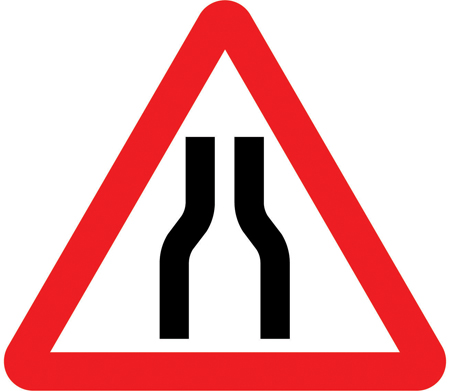 Road narrows on the right | Offside width reduces ahead | Warning triangle |
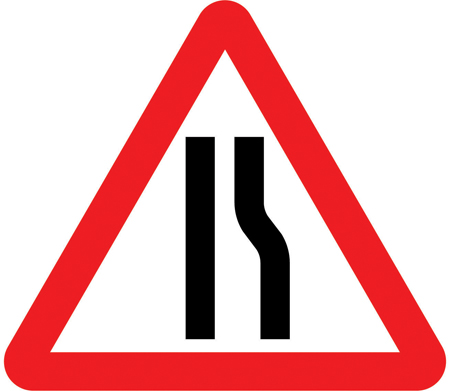 Road narrows both sides | Central pinch or island squeeze | Warning triangle |
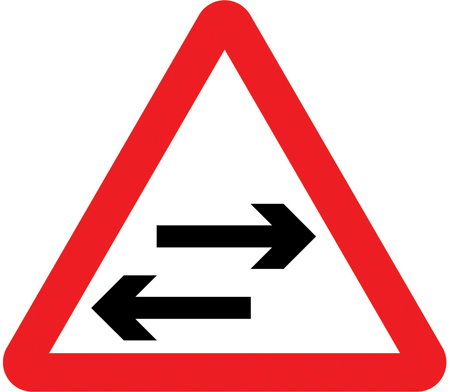 Two-way traffic | Opposing flows share one carriageway | Warning triangle |
Rules and Penalties
There is no separate offence for “ignoring” a warning triangle, but clipping an oncoming vehicle’s mirror, mounting the kerb, or forcing someone to reverse supports careless driving charges when speed and position were unreasonable for the width.
Head-on scrapes in narrow sections often involve both drivers claiming the other had room. Investigators look at tyre marks, dashcam footage, and whether either driver entered the pinch too fast before yielding.
Failing to use passing places on single-track roads can obstruct others. Police may direct you to reverse to a gap; persistent blocking attracts attention for unnecessary obstruction even when no collision occurs.
Driving tests fail candidates who rush pinch points, brush vegetation on the nearside, or meet wide farm machinery without stopping in a lay-by first. Examiners want early speed reduction and a stable path that leaves a safety margin.
Insurance claims for wing-mirror and bodywork damage rise where drivers hug the kerb to avoid oncoming vans. The warning sign shows the hazard was advertised; maintaining a safe speed and position remains your duty.
Close passes against cyclists at a left pinch are a common serious fault on test and a real-world risk on lanes without markings. The converging nearside edge is exactly where riders may need to hold centre lane for safety.
Check the latest theory test pass mark and book when you are ready via our booking guide.
Road narrows left in Practice
Jon drives a B-road commute at the national speed limit. A road narrows left triangle appears with a plate reading 200 yards. He checks mirrors, eases off the throttle, and drops from fourth to third before a stone bridge parapet steals the nearside verge.
A delivery van approaches in the opposite lane. Jon stops with his nearside wheels still in tarmac, leaving the van enough room without brushing the bridge wall. Both pass at walking pace with mirrors tucked in.
Beyond the bridge a cyclist climbs toward the pinch. Because Jon slowed early, he waits behind the rider until the lane widens, then overtakes with a full metre of clearance instead of squeezing at the narrowest stone arch.
During a driving lesson the same pinch is greasy after frost. His instructor rehearses the approach twice at low speed until mirror-check and gear choice happen before the steering input. On test week the examiner notes the same habit and marks nothing for meeting traffic.
That summer a tractor with a wide loader approaches. Jon had already identified a lay-by on the left before the triangle’s distance plate expired. He pulls in, lets the machine pass, then continues without reversing blind around the bridge.
How This Sign Appears on the Theory Test
Picture items show converging lines inside a red triangle. Choose answers that mention reduced width on the left and adjusting speed or position, not stopping unless another sign requires it.
Contrast with regulatory priority circles: a blue “give priority to oncoming vehicles” plate is an order at a chicane; the large triangle only describes road shape ahead.
Mirror-image questions test whether you read which side narrows. The left-pinching symbol is not the same plate as the right-pinching version, even though both use two vertical lines.
Hazard perception clips on country lanes often reward early clicks when a car drifts toward an oncoming vehicle at a pinch. Knowing that triangles precede those sections helps you anticipate conflict, not only when a sign fills the screen.
Scenario text may pair a narrows warning with a national speed limit sign. The correct attitude is to drive within the limit if conditions allow, but always be able to stop in the distance you can see clear on your side of the road.
Some items ask which sign warns of layout versus which sign sets a rule. The road narrows left plate is always warning category in DVSA revision materials.
“Road narrows both sides” questions expect you to recognise central humps or island chicanes. Do not pick that answer when only the left line angles inward on the diagram.
Take a free mock theory test and filter questions on road and traffic signs. Pair that with the warning signs guide for triangle symbols.
Related Road Signs
Two-way traffic sign
Oncoming flow on lanes that pinch after a wide stretch.
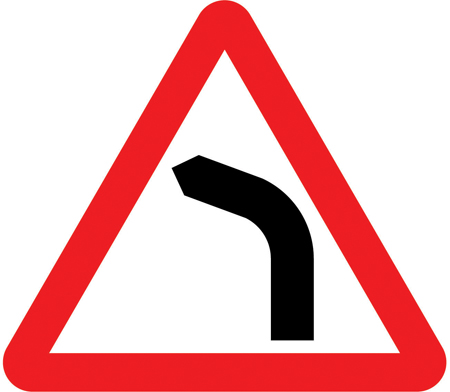
Bend left sign
Curves that often hide the start of a narrow bridge.
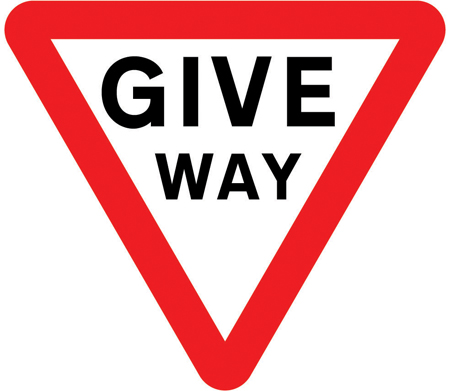
Give way sign
Yield orders at merges after pinch points.
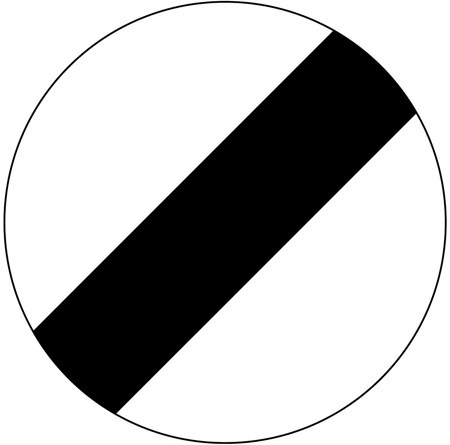
National speed limit
Default maximum does not widen the road.
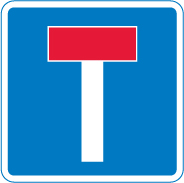
No through road
Dead ends on lanes that narrow toward farmyards.
Test Yourself on UK Road Signs
Treat the road narrows left sign as early notice to manage speed, position, and courtesy to oncoming traffic. A smooth approach keeps grip and mirror clearance in reserve for surprises inside the pinch and matches what both The Highway Code and driving examiners expect on rural and urban narrowing links.
Frequently Asked Questions
Does the road narrows left sign change the speed limit?
No. It warns that usable width reduces on the nearside ahead. You must still obey posted limits and drive below them when visibility, meeting traffic, or grip is poor.
Should I hug the left kerb at a left pinch?
Not necessarily. Skimming the nearside edge can catch wheels on drains or force cyclists into danger. Hold a stable line that leaves room for oncoming vehicles and for hazards hidden along the verge.
How is it different from road narrows both sides?
Both-sides symbols show each edge converging, typical of a central hump or island. The left-only symbol means the pinch is mainly on your nearside, such as a bridge parapet or wall.
Do I need to stop when I see this sign?
Not unless another sign, signals, or an oncoming vehicle makes stopping the safe way to pass. Slow enough to yield or use a passing place without emergency braking in the narrowest metre.
Will this sign appear on the driving theory test?
Yes. Image questions often show warning triangles with road-edge lines. Know that inward taper on the left means reduce speed and prepare to meet oncoming traffic with less width.